How Much Is a Half Cow for Your Family
How Much Is a Half Cow for Your Family
By Capital Farms Meats & Provisions Editorial Team · Updated 2026-07-28
Pricing for a half cow varies based on hanging weight and cuts selected; contact Capital Farms directly for current pricing. Capital Farms Meats & Provisions, based in Wickenburg, Arizona, offers premium Corriente beef options, with individual cuts like NY Strip Steak starting at $23.00, reflecting overall bulk pricing value.
Half cow pricing from Capitalfarms.Com varies; secured with an $800 deposit and a balance invoiced before delivery. Families receive approximately 200 pounds of vacuum-packed, 100% farm-fresh beef, including ribeye, NY strip, brisket, roasts, and ground beef—enough to stock a freezer for months.
Key Takeaways
-
Capital Farms' half cow pricing varies; the package includes approximately 150 lbs of vacuum-packed beef.
-
A half cow deposit costs $800 upfront, with the remaining balance invoiced before delivery.
-
Half beef shares at Faul Family Riverside Farm cost $7.30 per pound of hanging weight.
-
A typical half cow purchase includes ground beef, steaks, roasts, brisket, and filet for families.
How Much Is a Half Cow, Exactly?
Pricing for a pasture-raised half cow varies based on breed, feed program, and the final hanging weight of the animal. Families new to bulk beef often expect a fixed number, but farms price by weight, not a apartment menu rate.
Deposit structures add another layer worth understanding before committing. Some farms split payment into two parts: a deposit due upfront, with the remaining balance invoiced closer to delivery. One common example includes an $800 deposit and a balance invoiced before pickup; contact for specific pricing.
Is buying a half cow cheaper than buying steaks at the store?
Comparing bulk pricing against individual cuts helps families see the real value. Capital Farms offers Ribeye Steak starting from $31.00 and Filet Mignon Steak starting from $53.00 per cut. Multiply those per-cut prices across a freezer full of premium steaks, roasts, and ground beef, and the bulk pricing starts looking like meaningful savings rather than a large one-time expense.
What factors change the final price?
Breed, feed method, and total hanging weight all move the number up or down. A larger animal yields more meat but costs more overall, even though the price per pound often stays consistent. Families should ask any farm for a clear breakdown before paying a deposit.
How Much Beef Do You Actually Get?
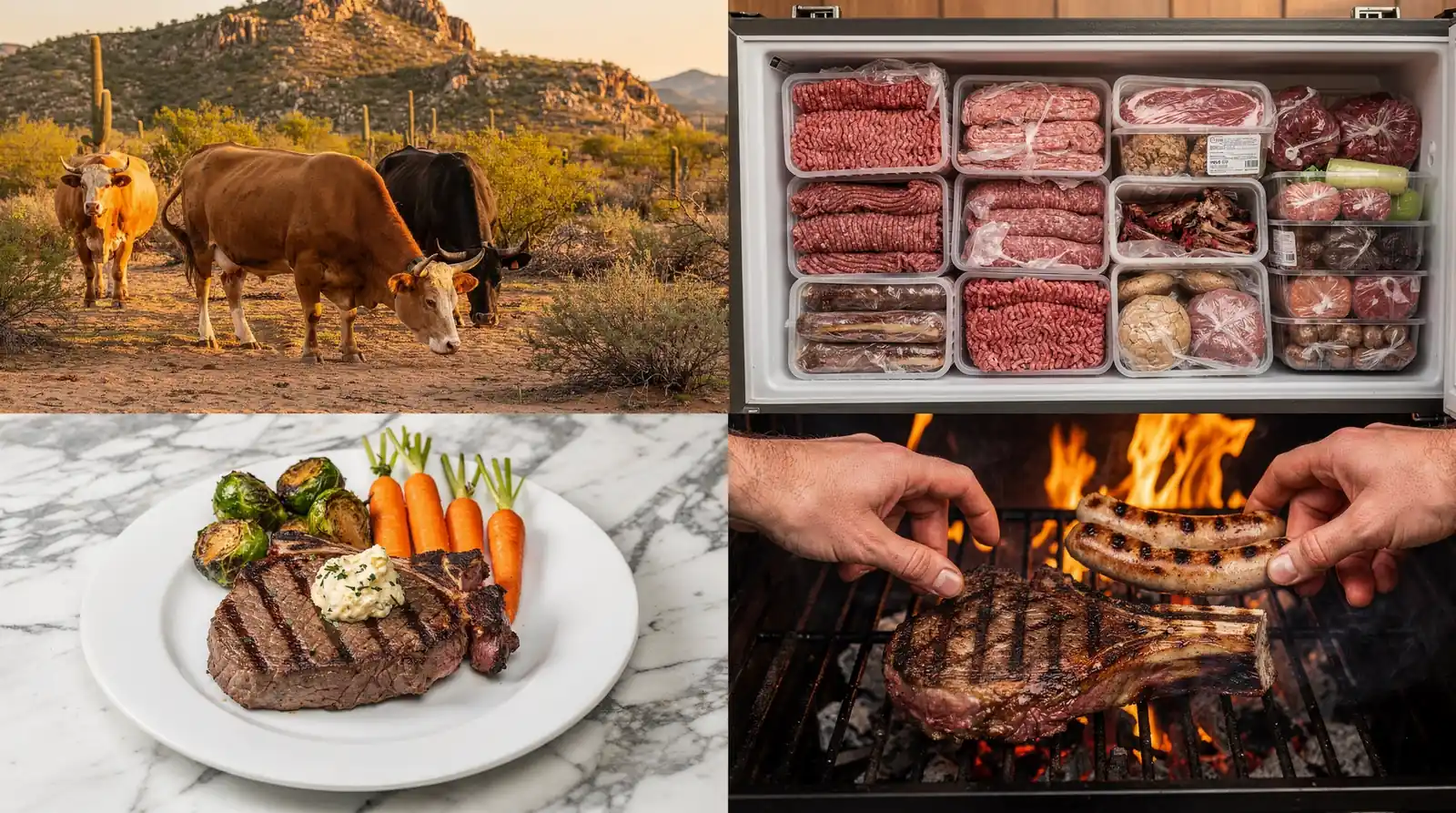
Families weighing how much a half cow costs need to know the payoff in pounds, not just dollars. A half cow share typically yields between 210. 230 lbs of take-home beef, enough to keep a full-size freezer stocked for months. That volume comes from a wide assortment of cuts, not just ground beef.
A standard half share usually includes:
-
Ground beef
-
Roasts (chuck, rump, or sirloin)
-
Ribeye and NY strip steaks
-
Filet
-
Brisket
-
Stew meat, cube steak, or stir-fry packs
-
Short ribs
-
Tallow, marrow bones, and organ meats like liver, tongue, and heart
Is a Half Cow the Right Amount for a Family?
Most households find 210 to 230 lbs sufficient for six months to a year of regular cooking. Portion sizes vary by family, though, so freezer space matters as much as appetite.
What If a Family Isn't Ready for a Full Deposit?
Capital Farms offers a lower-commitment path for families who want premium cuts without buying a whole share. Sirloin Steak starts at $22.00 and Teres Major Steak starts at $14.00. Premium Corriente Beef Tallow comes in a 14 oz jar for $11.99, mirroring the tallow found in a typical half share.
Is a Half Cow Worth It for Families?
Value depends on freezer space, cooking habits, and how a family answers the question of how much a half cow costs compared to grocery store prices over a full year. Families who cook beef several times a week gain the most, since bulk buying spreads cost across dozens of meals. Reviews back up the strategy: buying a half cow ranks among the smartest ways to fill a freezer with high-quality beef and save money long term.
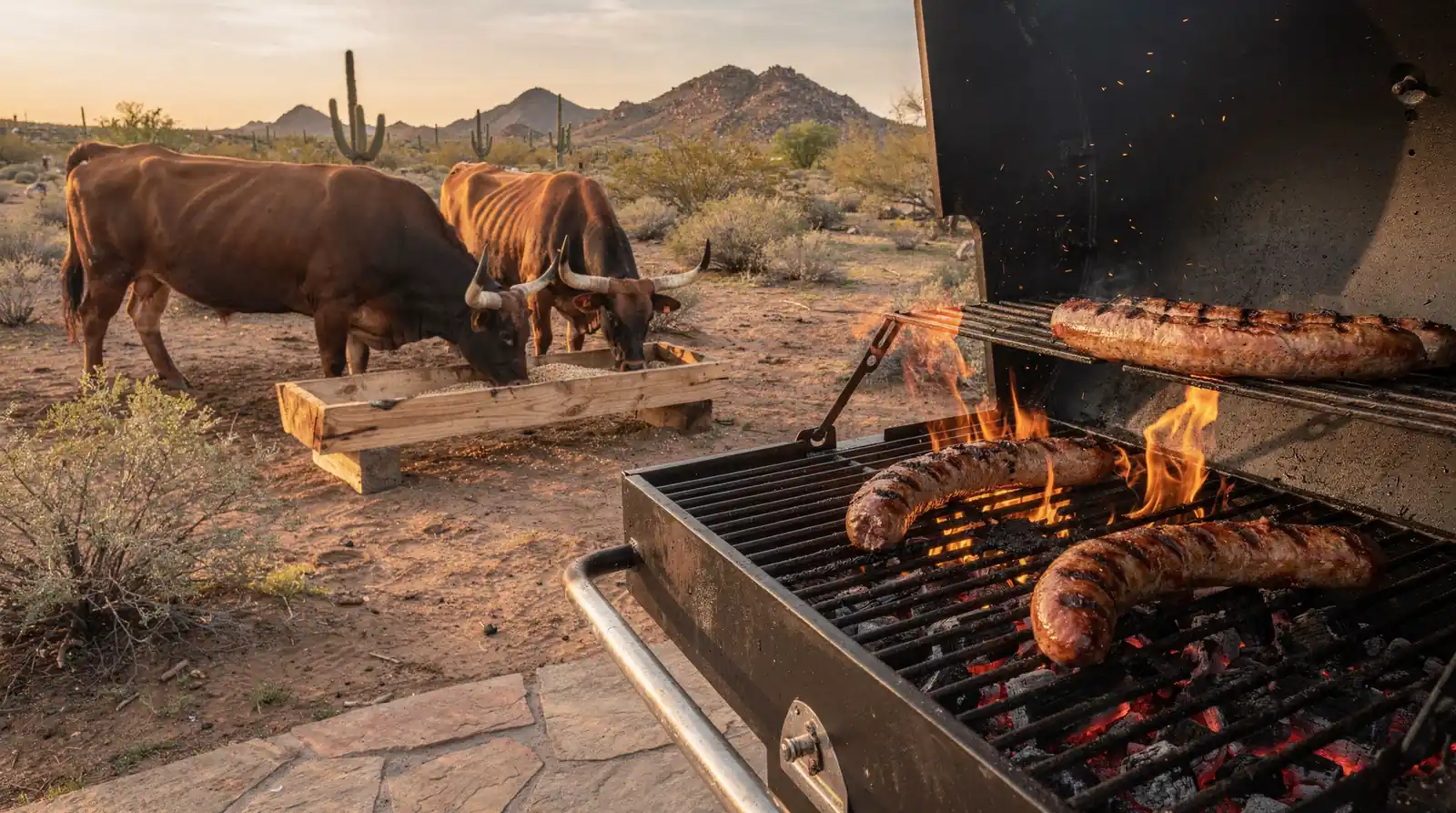
Capital Farms adds specific advantages to that equation. The beef comes grass-fed and finished on grain for 200 days, a feeding timeline families can compare against other half-cow programs before committing. Corriente cattle also reach harvest at 48 months or older, producing a richer flavor and buttery texture rarely found in typical supermarket beef.
Does Capital Farms have a track record worth trusting?
Yes. Capital Farms holds a 4.9-star average across 3,400 customer reviews, giving families a proven history before a bulk purchase.
Can families sample the beef before buying in bulk?
Smaller orders help. Free shipping applies to orders over $250 in states including Arizona, California, Nevada, Utah, New Mexico, Oregon, Colorado, Oklahoma, Texas, Idaho, Kansas, Montana, and Wyoming.
Investing in a half cow represents a meaningful commitment to quality beef and sustainable ranching practices. Capital Farms' premium Corriente beef delivers the rich flavor. Tender texture that discerning families seek, backed by our rigorous standards and transparent sourcing. For specific pricing and availability tailored to your household's needs, we encourage you to reach out directly to discuss how our products align with your family's preferences and budget.
FAQ
How much does a half cow cost at Capital Farms?
A half cow costs vary; split into an $800 deposit and a balance invoiced before delivery. This covers approximately 200 lbs of vacuum-packed, farm-fresh beef.
How much beef comes from a half cow?
A half cow yields between 210 and 230 lbs of beef, including ribeye, NY strip, brisket, roasts, filet, and ground beef. This amount stocks a full-size freezer for six months to a year.
Is buying a half cow cheaper than store steaks?
Bulk pricing offers real savings compared to individual cuts. Capital Farms sells Ribeye Steak from $31.00 and Filet Mignon from $53.00 per cut. Multiplying those prices across a freezer full of cuts makes the bulk pricing look like meaningful savings.