
Best Recipes for Half Cow by Cut
Best Recipes for Half Cow by Cut

By Capital Farms Meats & Provisions Editorial Team · Updated 2026-07-28
Corriente beef cuts from Capital Farms Meats & Provisions demand tailored methods: sear NY Strip Steak ($23.00) hot and fast, grill Sirloin Steak ($22.00) medium-rare, slow-roast chuck. Brisket, and render trim into Premium Corriente Beef Tallow (14 oz Jar, $11.99) for flavorful, high-heat cooking fat.
Cuts determine method: sear steaks like Capital Farms' NY Strip (from $23.00) or Sirloin (from $22.00) quickly over high heat, slow-roast tougher cuts, and render fat—such as Capital Farms' Premium Corriente Beef Tallow, sold in a 14 oz jar for $11.99—for cooking or flavoring ground beef and roasts.
Half a cow yields steaks, roasts, ground beef, and specialty cuts requiring distinct methods: sear ribeye. Tenderloin hot and fast, braise chuck and short ribs low and slow, and reverse-sear thick roasts. Capitalfarms.Com' beef, grass-fed and 200-day grain-finished, rewards patience with deep flavor across every cut in the freezer.
Key Takeaways
- Work with your butcher beforehand to complete a cut sheet and select your desired beef cuts.
- Premium Corriente beef from Capital Farms includes NY Strip Steaks starting at $23.00 per cut.
- Half cow purchases provide multiple premium cuts that require diverse cooking methods and recipes.
- Capital Farms offers free shipping on orders over $250 to ten western and central states.
Which Cuts Deserve Their Own Cooking Method?
Certain cuts reward a specific technique, and treating every steak the same way wastes their potential. A half-cow order typically includes cuts with very different fat structures and grain. A single cooking approach rarely serves them all. Home cooks who match method to cut get consistently better results across the freezer, not just on the showcase steaks.
Ribeye steak, available from Capital Farms starting at $31.00, performs best with a two-stage cooking method. Searing in a hot skillet builds a deep crust, and finishing in the oven carries the interior to a perfect medium-rare without overcooking the edges. This combination suits the ribeye's heavy marbling, which needs high heat to render properly.
What's the Best Way to Cook Filet Mignon?
Filet Mignon, priced from $53.00, calls for a gentler touch than ribeye. Because the cut carries less internal fat, shorter cooking times and lower heat protect its tenderness. Overcooking dries it out fast, so a thermometer matters more here than with fattier steaks.
Why Does Corriente Beef Cook Differently?
Corriente beef naturally develops marbling that rivals Choice or Prime grades, even without conventional grain-heavy feeding. That marbling changes how each cut behaves under heat.
- Ribeye: sear, then oven-finish
- Filet Mignon: low, steady heat
- Fattier roasts: benefit from slower, longer cooking to match their density
Matching technique to marbling protects flavor across the entire order.
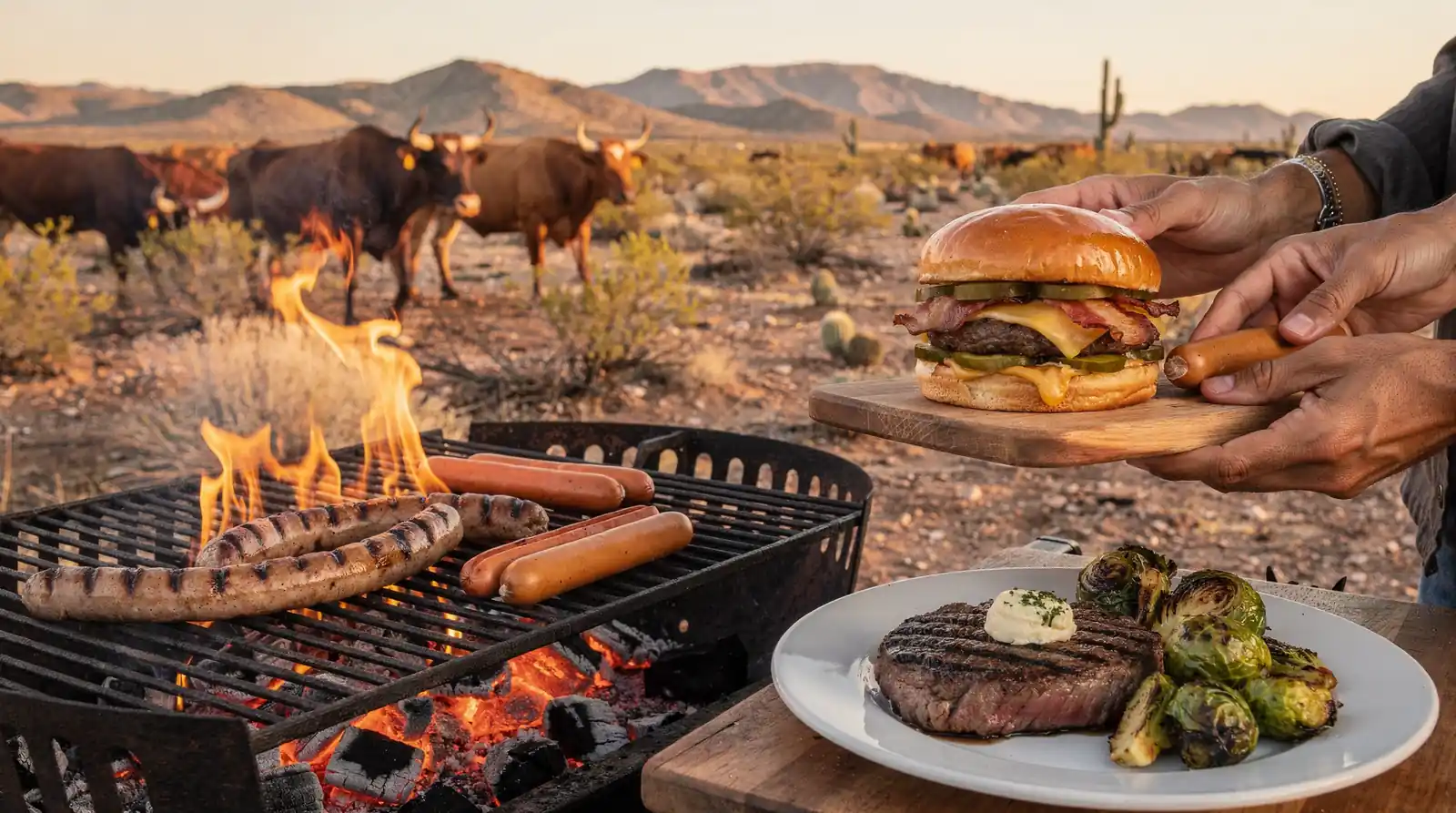
How Do You Keep Steaks Tender by Cut?
Tenderness depends on matching the cooking method to the cut's natural texture. Capital Farms builds that tenderness long before the steak reaches a cutting board, through cattle raised on open range and finished on grain for 200 days. That extended finishing period, paired with a grass-fed foundation, develops marbling that keeps each cut moist under heat.
Each steak in a half or quarter cow share responds differently to fire.
| Cut | Starting Price | Best Method |
|---|---|---|
| NY Strip Steak | $23.00 | High-heat sear, rest 5 minutes |
| Sirloin Steak | $22.00 | Grill over direct flame, slice against the grain |
| Teres Major Steak | $14.00 | Reverse-sear, low oven then hard sear |
Does Grass-Fed Beef Need Different Cooking Times?
Grass-fed cuts carry less surface fat than conventional beef, so they cook faster and dry out quicker if left too long. Pulling steaks a few degrees before the target temperature prevents overcooking.
Why Does Cattle Age Matter for Tenderness?
Capital Farms harvests cattle at 48 months or older, well past the typical 18-month standard. That extra maturity produces a deep, rich flavor and a buttery texture rarely found in younger beef, making careful, shorter cook times essential to preserving it.
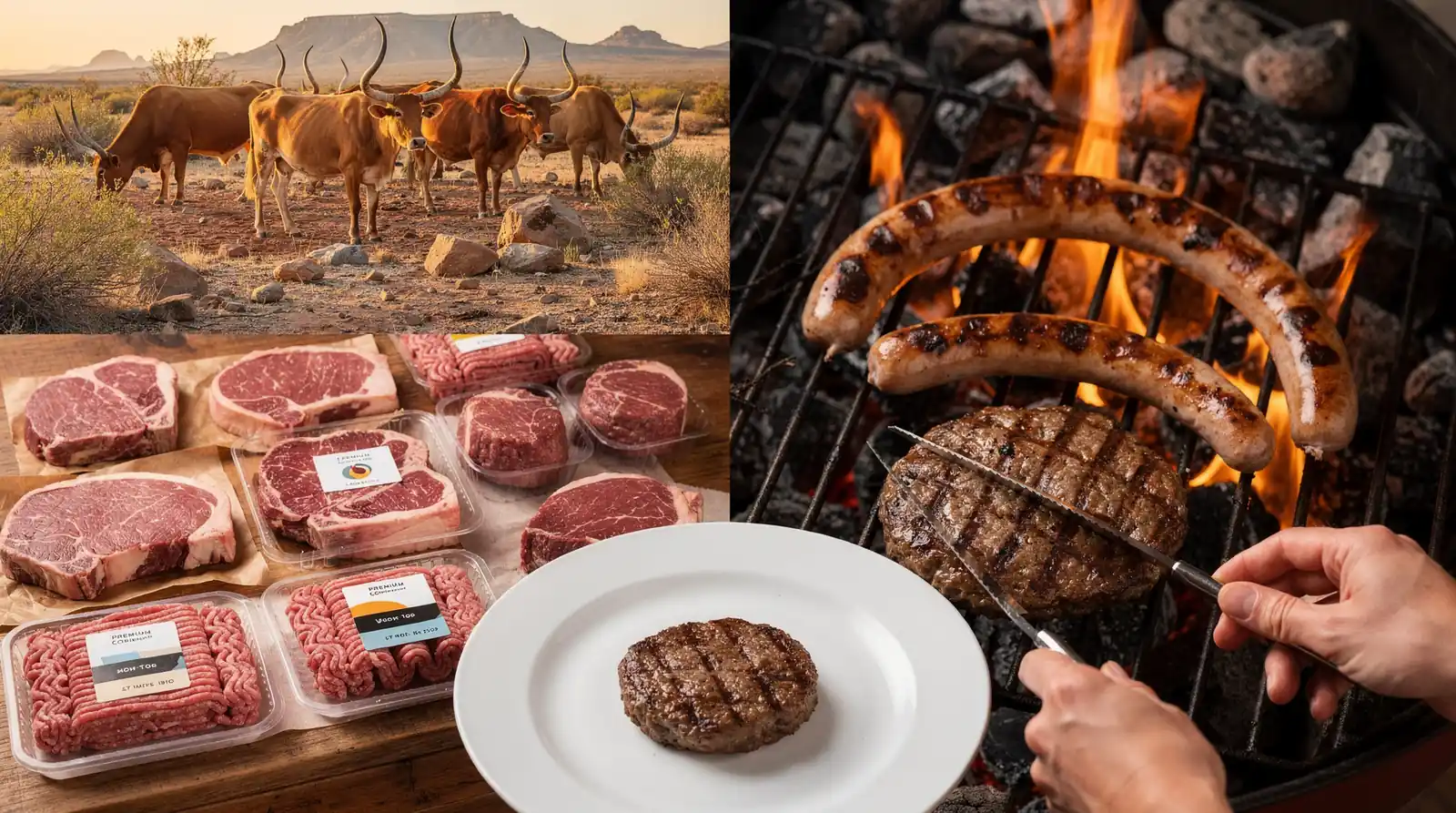
How Do You Organize Your Freezer for Variety?
Freezer organization starts with sorting by cut category, not by package size. A half cow delivery arrives with steaks, roasts, bulk ground beef, and specialty pieces, so grouping by type keeps meal planning simple and prevents forgotten packages at the bottom of the bin.
Labeling matters more than most home cooks expect. Ground beef packaging lists a lean-to-fat percentage, and that ratio changes how a dish cooks. Leaner blends work for chili, fattier blends suit burgers. Sorting ground beef by that percentage, front to back, prevents mix-ups during [best recipes for half a cow](https://capitalfarms.com/blogs/best-beef-near-you-real-local-beef/the-ultimate-guide-to-buying-half-a-cow-cost-cuts-and-convenience) planning sessions.
What's the best way to layer a chest freezer?
Bottom shelves should hold roasts and long-term staples, since they're accessed less often. Middle and top layers work best for steaks and ground beef, which get pulled weekly.
A simple weekly rotation:
- Steaks and quick-cook cuts — front, eye-level
- Ground beef, sorted by lean percentage — middle bins
- Roasts and specialty pieces — bottom, long-term storage
- Premium Corriente Beef Tallow, sold in a 14 oz jar, kept near finishing ingredients for easy access
Restocking often makes sense in bulk. Capital Farms offers free shipping on orders over $250 across states including Arizona, Texas, and Colorado.
Cooking a half cow represents a meaningful commitment to quality beef and resourceful stewardship. By understanding each cut's characteristics and applying appropriate cooking methods, you unlock the full potential of premium Corriente beef—from tender steaks to flavorful braises and rendered tallow. This comprehensive approach honors both the animal. The ranching traditions that define our craft, transforming your investment into memorable meals that reflect the deep, rich flavor only properly raised beef delivers.
FAQ
Should you sear or slow-roast a ribeye?
Sear the ribeye in a hot skillet to build a deep crust, then finish it in the oven for even, controlled heat. This two-stage method suits the ribeye's heavy marbling, which needs high heat to render properly.
Why does filet mignon need lower heat than ribeye?
Filet mignon carries less internal fat than ribeye, so shorter cooking times and lower heat protect its tenderness. A thermometer matters more with this cut, since overcooking dries it out fast.
Does grass-fed beef cook at the same speed as conventional beef?
No, grass-fed cuts carry less surface fat than conventional beef, so they cook faster and dry out quicker if left on the heat too long.