
How to Cook Beef Share: Agricultural Financing and Farm Management
How to Cook Beef Share: Agricultural Financing and Farm Management
By Capital Farms Meats & Provisions Editorial Team · Updated 2026-07-28
Corriente beef share cuts from Capital Farms, such as NY Strip Steak ($23.00) and Sirloin Steak ($22.00), cook best over high heat: sear 3-4 minutes per side for medium-rare, then rest 5 minutes before slicing against the grain for tenderness.
Beef share cuts cook best matched to method: grill or reverse-sear steaks like NY Strip ($23.00). Sirloin ($22.00) for a caramelized crust, roast larger roasts, and render tougher cuts using Capital Farms' Premium Corriente Beef Tallow, available in a 14 oz jar for $11.99.
Beef share cuts require matching method to muscle: grilling suits tender steaks. Braising, roasting, and slow cooking transform tougher roasts, shanks, and short ribs into rich meals. Capital Farms' Corriente cattle, harvested at 48 months, deliver natural marbling that keeps braised and roasted cuts tender, flavorful, and worth the extra cooking time.
Key Takeaways
- Grilling rib cuts creates a caramelized crust while keeping the inside juicy and tender through quick searing.
- Broiling rib cuts serves as the preferred cooking method during colder months when outdoor grilling proves impractical.
- Capital Farms offers NY Strip Steak starting from $23.00 and Sirloin Steak starting from $22.00.
- Beef shares reduce cost per pound for high-quality, grass-finished meat compared to purchasing individual cuts.
What Do You Need Before Cooking Beef Share Cuts?
Preparation matters more than fancy equipment. Learning how to cook beef share cuts starts with understanding the meat itself: Capital Farms' beef is grass-fed and finished on grain for 200 days, a process that shapes how long and how hot each cut should cook. Corriente cattle raised past 48 months develop a deep, rich flavor and a buttery texture rarely found in typical grocery beef, so cooks should plan for gentler heat and patience rather than rushing cuts meant for slow, even cooking.
A beef share rewards cooks who prepare with the right tools and mindset:
- A reliable meat thermometer for checking doneness on unfamiliar cuts
- A heavy skillet or Dutch oven for braising tougher, flavorful pieces
- Freezer space organized by cut so nothing goes forgotten
- A recipe booklet, which many farms include with each share to guide unfamiliar cuts
Do beef shares include instructions for cooking every cut?
Some farms provide a recipe booklet alongside the share to help customers identify proper cooking methods for less common cuts. This resource turns an intimidating box of unlabeled beef into a practical, approachable project in the kitchen.
Why does a beef share require more preparation than buying steaks alone?
Buying a share means committing to the whole animal, not just the popular cuts. That commitment offers a genuine opportunity to learn how every part of the animal cooks. Tastes, building skills most steak-only shoppers never develop.
How Do You Cook Different Beef Share Cuts?
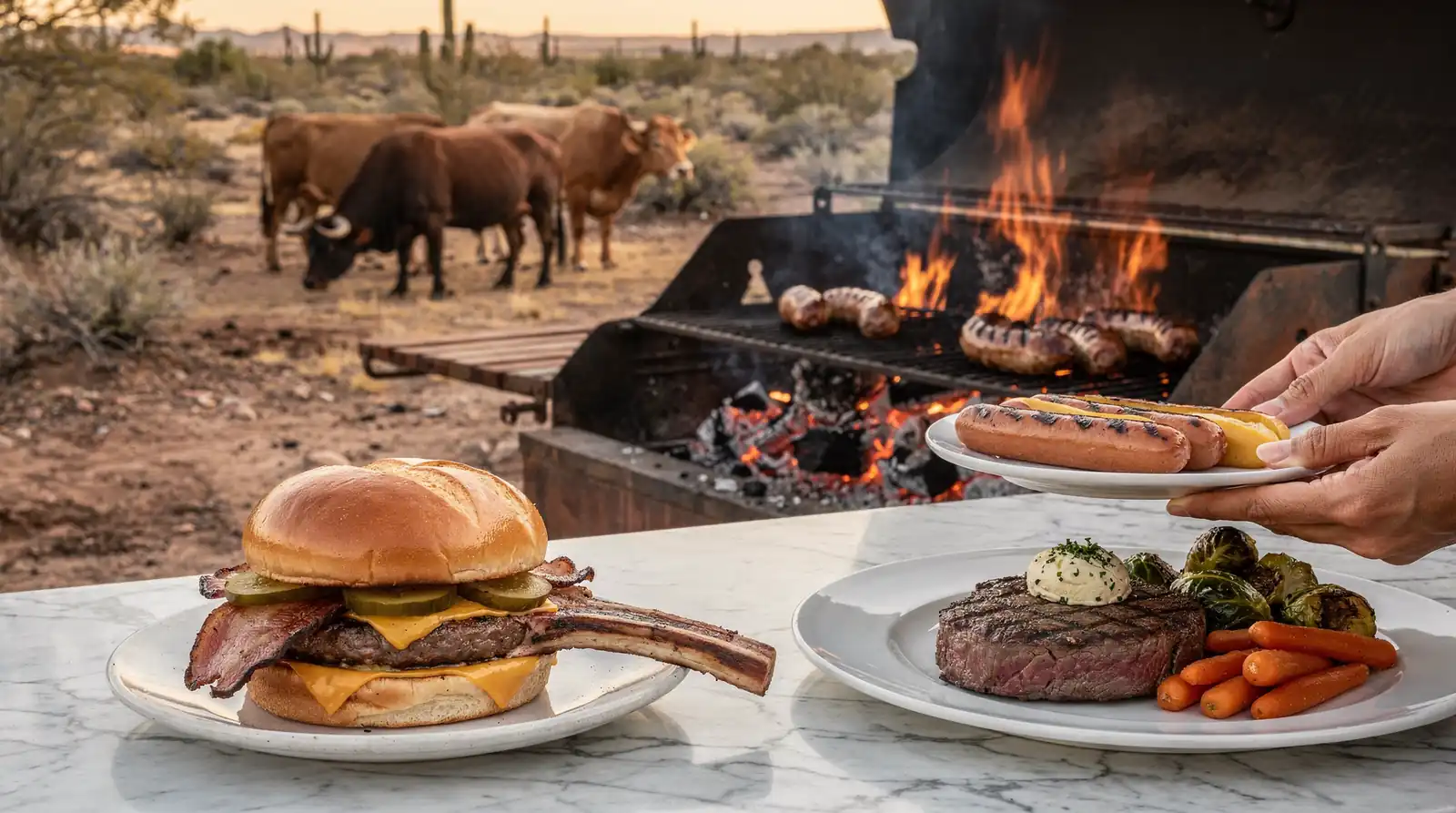
Every cut in a beef share calls for its own cooking method. Matching the technique to the meat separates a good dinner from a wasted package. Rib cuts respond best to high, direct heat. Grilling remains the most popular approach for these cuts because it sears the surface fast, building a caramelized crust while the center stays juicy and tender.
Mastering how to cook a beef share means planning for more than steak night. The real test arrives when a chuck roast sits in the fridge on a Tuesday. A dozen packages of shank fill the freezer with no obvious plan attached. Follow these steps for cuts outside the steak drawer:
- Sort the share by cooking category — quick-sear, slow-braise, or roast.
- Thaw tougher cuts like chuck and shank fully before cooking.
- Braise chuck roast and shank low and slow, using liquid and a covered pot.
- Sear smaller, lesser-known cuts like Teres Major quickly, treating them like a filet.
- Rest all cuts briefly before slicing to retain juices.
What makes braising work so well for tougher cuts?
Braising suits chuck and shank because these cuts carry more connective tissue and need time to break down. Corriente beef naturally carries marbling that rivals Choice or Prime grades. That marbling keeps roasts and braises tender even after hours of slow cooking.
Is every unfamiliar cut in a share difficult to cook?
Not every unfamiliar cut demands complicated technique. Teres Major, priced starting from $14.00, cooks fast and simply, rewarding a quick sear the same way a filet does.
What Mistakes Should You Avoid With Beef Shares?
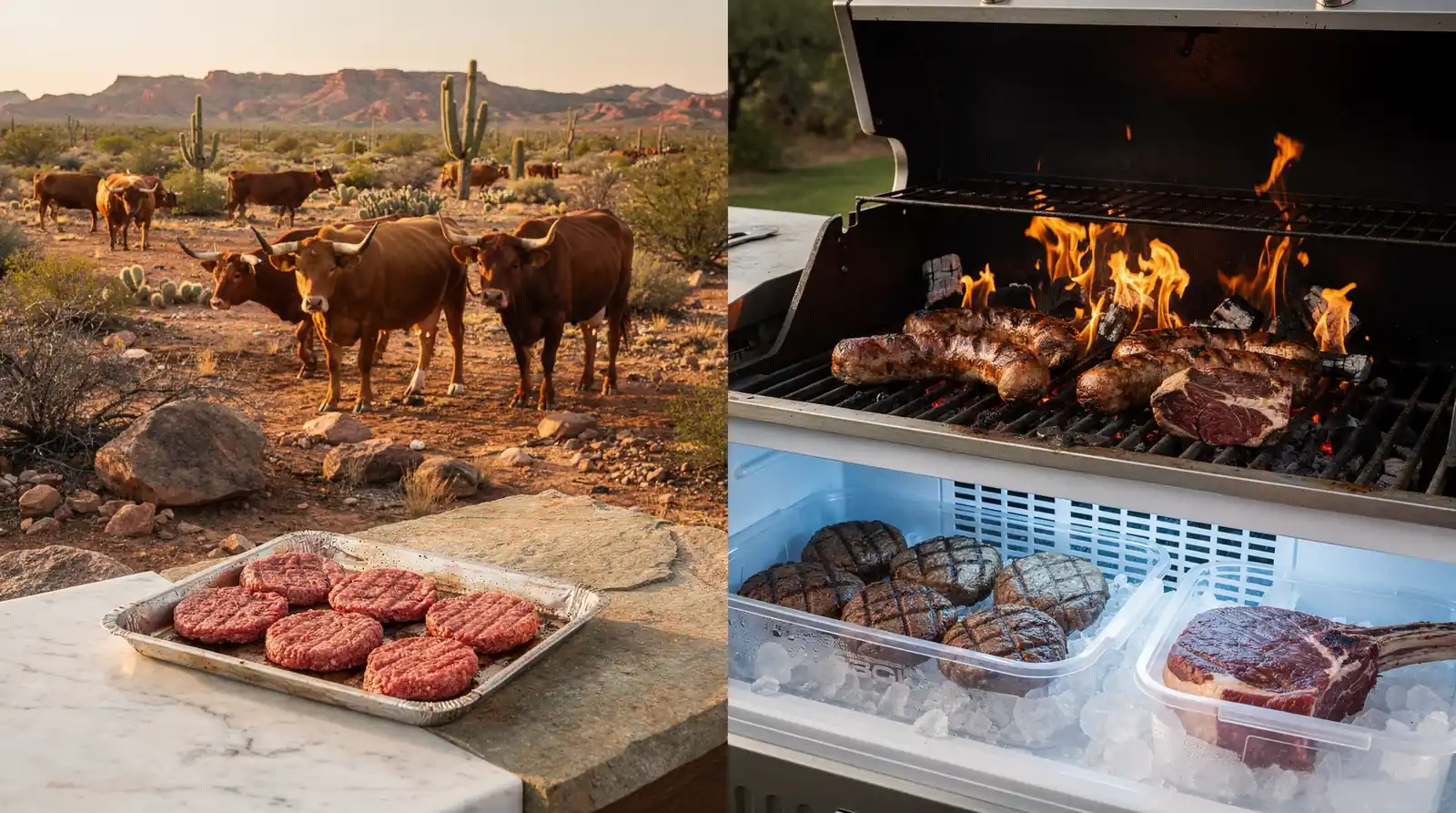
Four errors trip up most beef share owners before they even reach the grill. Mishandled ground beef causes salmonella and E. coli more often than any other cut, so careless thawing or cross-contamination invites real risk. Skipping proper how to cook beef share basics starts with storage. Bacteria multiply quickly once ground beef climbs above 40°F.
Does the fat percentage on ground beef packaging actually matter?
Yes. The lean-to-fat ratio printed on the label shapes flavor, texture, and how a dish cooks. A leaner package browns differently than a fattier one, so matching ratio to recipe prevents dry burgers or greasy chili.
What should be done with rendered fat instead of tossing it?
Rendered fat has value beyond the pan. Capital Farms bottles this byproduct as beef tallow, sold in a 14 oz jar for $11.99, turning a common leftover into a useful cooking fat rather than trash.
Avoid these four mistakes:
- Thawing ground beef on the counter instead of the refrigerator
- Storing beef above 40°F for extended periods
- Ignoring the lean-to-fat ratio when selecting a recipe
- Discarding rendered fat instead of saving it as tallow
Cooking beef share cuts successfully requires understanding the unique characteristics of your meat. Matching preparation methods to each cut's composition. Whether you select slow-braising techniques for tougher cuts or high-heat searing for premium portions, the key lies in respecting the quality of your product and applying time-tested culinary practices. Premium Corriente beef, with its natural marbling and rich flavor profile, rewards thoughtful preparation and elevates even traditional cooking methods. By applying these principles to your beef share cuts, you honor both the ranching heritage and the careful stewardship that brought your meat from Southwest rangelands to your table.
FAQ
What is the best method for cooking rib cuts?
Grilling sears the surface fast, building a caramelized crust while keeping the center juicy and tender.
How should tougher cuts like chuck roast and shank be cooked?
Braise chuck roast and shank low and slow using liquid and a covered pot, such as a heavy Dutch oven. Thawing them fully before cooking.
What can help identify how to cook unfamiliar beef share cuts?
Many farms include a recipe booklet with each share, turning an intimidating box of unlabeled beef into a practical, approachable kitchen project.