
Buy Half Cow: A Smart Choice for Quality Meat Enthusiasts
Buy Half Cow Online: Premium Corriente Beef Options, Pricing, and Benefits

Buying half a cow is a smart way to lock in high-quality beef for months, cut your per‑pound cost, and choose how your meat is portioned. This guide walks you through how half‑cow purchases work, what to expect in your boxes, and how to plan freezer space and meal use so you can buy half a cow online with confidence. We spotlight premium Corriente beef—raised grass‑fed then grain‑finished—explain the logistics buyers care about in 2025, and show how breed, ranching practices, and processing affect flavor and value. Throughout, we use specific product details from Capital Farms as examples while keeping the main focus practical: what’s included, how pricing breaks down, and how to order, customize, and store your meat.
What Is Included When You Buy a Half Cow from Capital Farms?
A half‑cow share delivers a variety of steaks, roasts, and ground beef, all portioned and packaged for easy freezer storage. At the processor, the carcass is broken into primal and subprimal cuts, which are then portioned into family‑size packages, vacuum sealed, and labeled for convenience. Knowing the common cut list and expected take‑home weight helps you plan meals per pound and estimate freezer needs. Below we list typical cuts, explain packaging and use, and show Capital Farms’ take‑home estimate so you have a concrete example to compare.
Which Beef Cuts Are Part of the Half Cow Share?
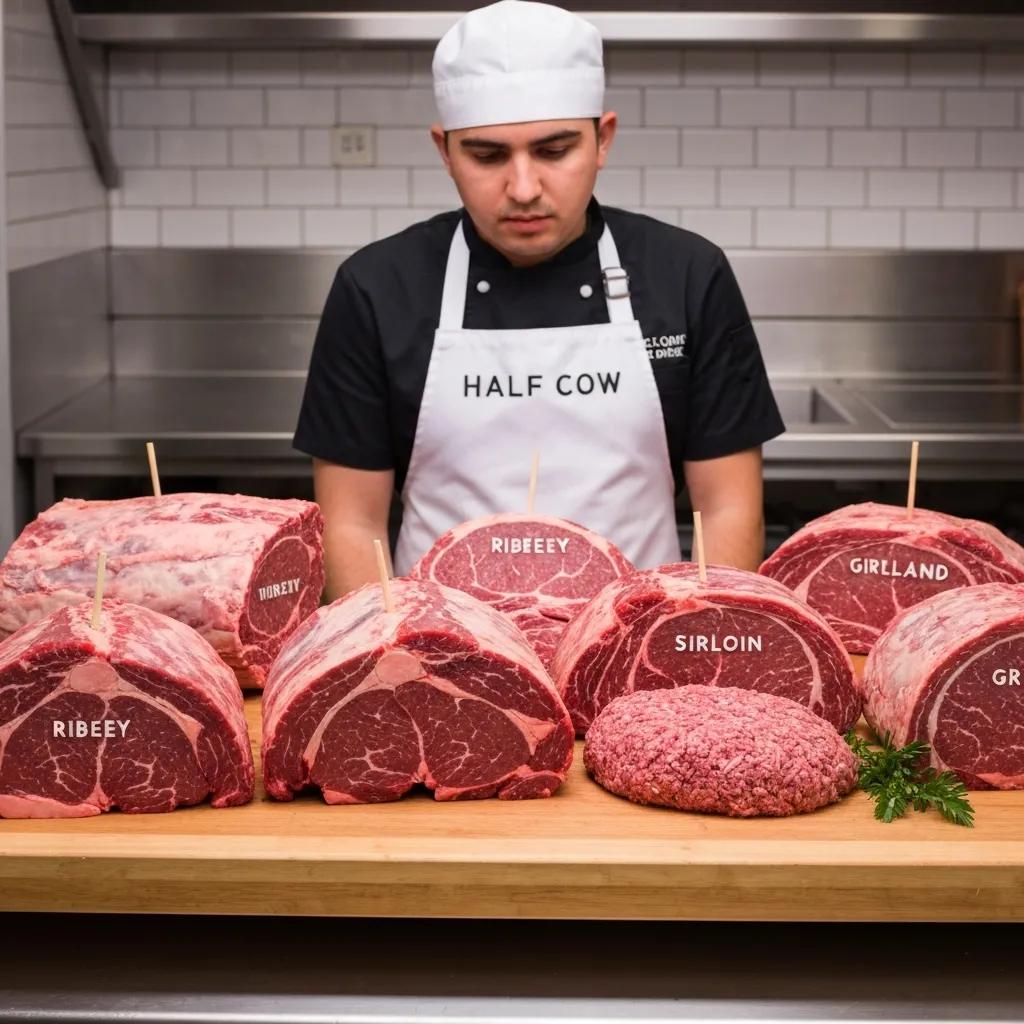
A typical half‑cow includes premium steaks, mid‑range steaks, roasting and braising pieces, plus bulk ground beef so you can cook everything from steaks to stews. Expect ribeye, New York strip, tenderloin/filet portions, sirloin, chuck roasts, brisket, short ribs, stew meat, and many pounds of ground beef—each packaged in family‑friendly portions. Fast, high‑heat cuts like ribeye and strip are balanced by slow‑cook pieces such as chuck and brisket, giving you flexibility across recipes. Knowing these cuts helps you plan menus and estimate total meals and yield.
Introductory table: the table below shows a representative breakdown of common cuts and typical package counts to make the information scannable before we share a specific product example.
| Cut Category | Typical Package Count | Typical Use / Size |
|---|---|---|
| Ribeye / Steaks | 6–10 steaks | Grilling, high‑heat searing |
| Strip / Sirloin | 8–12 steaks | Pan‑sear, broil, quick‑cook |
| Tenderloin/Filet | 2–4 portions | Elegant meals, low volume |
| Chuck / Roasts | 6–10 roasts | Braising, slow‑cook stews |
| Brisket / Short Ribs | 2–6 pieces | Smoking, long braise |
| Ground Beef | 20–40 packages | Burgers, sauces, everyday meals |
This table sets clear expectations about cut types and packaging so you can compare vendor specifics like exact weights and take‑home totals.
How Much Meat Will You Receive and What Is the Total Weight?
When evaluating a half‑cow, distinguish hanging weight—the carcass weight before trimming—from take‑home weight, which is the packaged meat you receive after trimming and processing. Take‑home weight is always lower than hanging weight because of fat and bone removal; the exact yield depends on fat cover, whether cuts are bone‑in or boneless, and processor practices. Capital Farms lists an estimated take‑home weight on the product page; using that number helps you visualize actual supply and plan freezer space. Knowing the total take‑home pounds also lets you calculate price per pound for an apples‑to‑apples comparison with retail.
| Weight Metric | Meaning | Approximate Value |
|---|---|---|
| Hanging weight | Carcass weight before processing | Varies by animal |
| Take-home weight | Packaged, trimmed meat you receive | ~170.5 lbs |
| Yield factor | Take-home / hanging | Typically 55–70% |
This quick comparison explains why vendors use take‑home estimates and how to use them for meal planning, freezer sizing, and per‑pound cost calculations.
How Much Does a Half Cow Cost and What Is the Pricing Breakdown?
The cost of a half cow combines the base product price, processing fees, shipping or delivery charges, and any customization costs. The base price reflects breed, raising practices, and finishing methods; processing covers slaughter, cut‑and‑wrap, vacuum sealing, and sometimes aging; and shipping varies with distance and service. The table below outlines typical price components, followed by a current 2025 price example to help you understand the math.
What Is the Price of Capital Farms’ Half Cow in 2025?
Capital Farms lists a half‑share product titled "1/2 of Premium Corriente Beef" at $2,199.00. That item is available for pre‑order with a shipping date of 12.08.2025, so you can plan delivery and freezer space. The product’s listed take‑home weight is about 170.5 lbs, which lets you compute a price‑per‑take‑home‑pound and compare it to local retail or other bulk options. Including this date‑specific price helps you judge current market value for specialty Corriente cattle raised under the described practices.
Introductory table: the table below breaks down the primary price components buyers should consider when evaluating a half cow purchase.
| Price Component | Component Detail | Typical Amount / Note |
|---|---|---|
| Product price | Base price for half cow (example) | $2,199.00 (listed) |
| Processing | Cut, wrap, vacuum sealing | Varies by processor; confirm at checkout |
| Shipping / Delivery | Transport to buyer or local pickup | May be additional; depends on distance |
| Customization | Specific cut preferences or packaging | May incur extra fees if requested |
This breakdown helps you separate what’s included in the base price from optional costs and points to the practical step of confirming fees at checkout before you buy.
Are There Additional Fees for Processing, Shipping, or Customization?
Yes—additional fees often appear as separate line items: independent processor charges for cut‑and‑wrap, vacuum‑seal upgrades, shipping, and special requests like thicker steaks or specific package weights. Some vendors include basic processing in the product price and list optional services for an extra fee, so review product details and checkout prompts carefully. Capital Farms notes pre‑order logistics and accepts customization requests as available; be sure to confirm whether custom cuts carry extra charges. Being clear about potential extras up front prevents surprises and helps you choose between bundled pricing and à‑la‑carte options.
Common fee checklist:
- Processing / cut‑and‑wrap fees
- Vacuum sealing or larger‑pack upgrades
- Shipping or delivery costs
- Special cut, aging, or labeling requests
Confirming these items at purchase ensures your budget covers any necessary add‑ons and moves you toward evaluating why breed and raising practices matter for value.
Why Choose Grass-Fed, Hormone-Free Corriente Beef for Your Half Cow Purchase?
Breed and production methods shape flavor, texture, and environmental impact. Corriente cattle—raised grass‑fed then grain‑finished—offer a distinctive profile many buyers prefer. Corrientes tend to be leaner and hardy; finishing on grain for a period builds marbling and improves tenderness and flavor while keeping the benefits of an earlier grass diet. Producers who highlight hormone‑free and mRNA‑free handling give added transparency for consumers focused on inputs. Regenerative ranching ties animal diet to healthier soil and biodiversity—attributes many buyers include in a product’s overall value.
What Makes Corriente Cattle and Their Beef Unique?
Corriente are a heritage breed with a smaller frame and strong adaptability—traits that influence muscle structure and fat distribution, and ultimately the eating experience. Their leaner build can produce beef with a different mouthfeel and a nuanced flavor compared with Angus or common crosses. When managed and finished thoughtfully, Corriente beef delivers good flavor and tenderness, offering a compelling option for buyers seeking variety and connection to breed history. Understanding these differences helps you match taste preferences and sustainability priorities when choosing a half cow.
How Do Regenerative Ranching and Grain-Finishing Enhance Beef Quality?
Regenerative ranching emphasizes soil health, rotational grazing, and biodiversity—practices that improve forage quality and animal welfare and can reduce stress on cattle, which indirectly benefits meat quality. A period of grain‑finishing (for example, 240+ days as noted by some producers) increases intramuscular fat, improving marbling, tenderness, and flavor while preserving the benefits of an earlier grass diet. Put simply: regenerative ranching improves forage and soil health, and grain‑finishing enhances marbling and taste. Together, these practices balance environmental stewardship with the flavor outcomes many buyers expect from premium half‑cow products.
How Do You Order, Customize, and Store Your Half Cow Beef?
Ordering a half cow means picking the product, checking processing and shipping details, noting customization options, and planning freezer storage. Key steps include confirming the take‑home weight, noting pre‑order or shipping windows, and understanding deposit and payment terms. If customization is available, specify preferences clearly at checkout or via the vendor’s instructions to avoid processor delays. Once the meat arrives, vacuum sealing, clear labeling, and organized storage maximize shelf life and meal flexibility.
What Is the Ordering and Pre-Order Process for a Half Cow?
Typical pre‑order steps: select the half‑cow product, confirm price and estimated take‑home weight, place payment or deposit per the vendor’s terms, and note the projected shipping or pickup window; the vendor then schedules processing with a local facility. For example, a product listing with a shipping date of 12.08.2025 gives you a concrete timeframe to prepare freezer space and delivery logistics. Record your cut preferences and double‑check any extra fees before finalizing the order to avoid surprises. Clear communication up front reduces friction and keeps the process predictable.
Introductory list: ordering steps summarized for clarity.
- Choose the half‑cow product and review take‑home estimates.
- Confirm price, pre‑order shipping date, and any deposit requirements.
- Specify cut and packaging preferences during checkout or per vendor instructions.
- Arrange delivery or pickup and prepare freezer capacity before arrival.
Following these steps helps move you from decision to delivery with predictable timing and sets expectations for customization and storage.
Can You Customize Your Beef Cuts When Buying Half a Cow?
Often yes, though customization depends on the processor and vendor policy. Common requests include steak thickness, number and size of family‑packs, and bone‑in versus boneless choices. Capital Farms’ product information indicates they accommodate preferences when possible, so ask about customization during ordering and confirm any fees. Be specific—steak thickness in inches, desired pack weight per vacuum pack, and labeling needs—to ensure the processor matches your meal planning. Clarifying limits up front prevents miscommunication and helps you plan freezer space for the arriving packages.
How Much Freezer Space Is Needed and What Are Best Storage Practices?
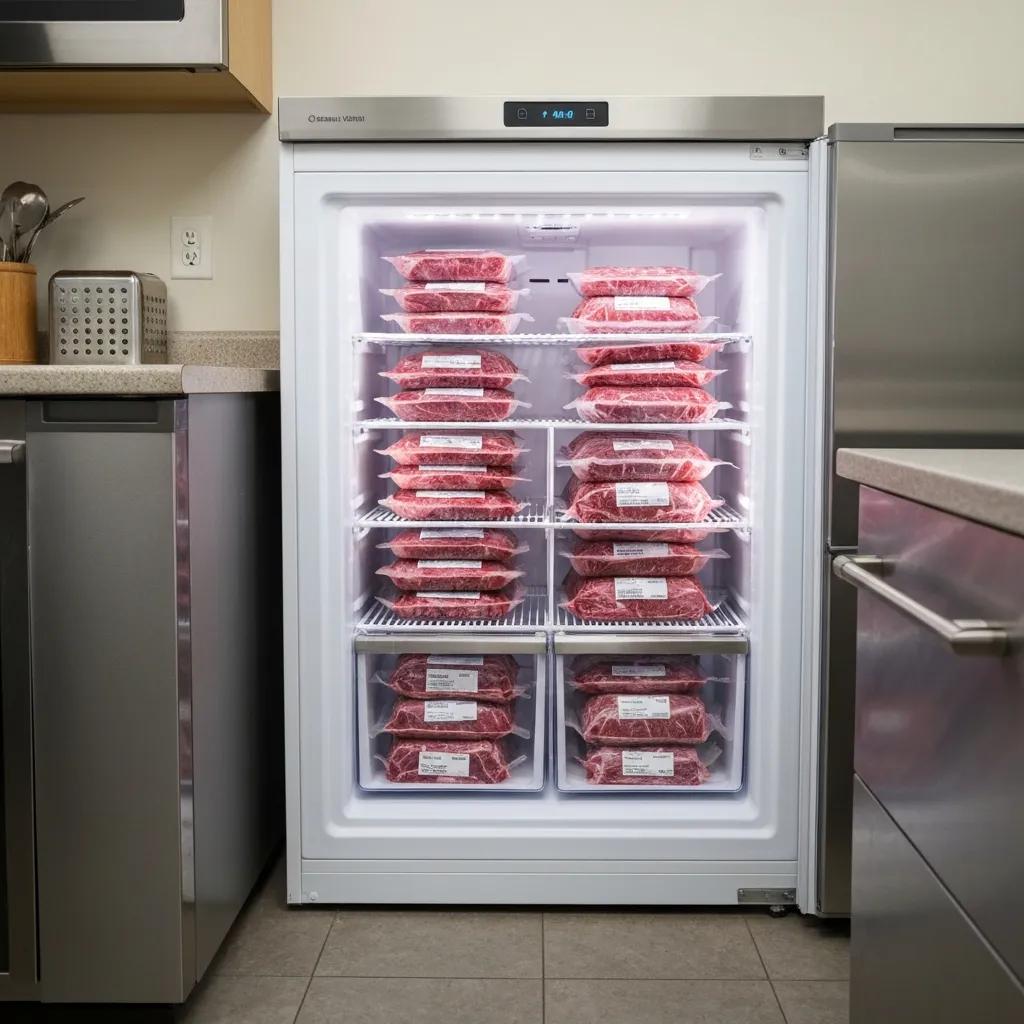
Estimate freezer space based on take‑home weight and how tightly you pack vacuum‑sealed packages. A conservative rule is about 1.25–1.5 cubic feet per 30–35 pounds of vacuum‑sealed beef. Using Capital Farms’ take‑home estimate of ~170.5 lbs, plan for roughly 6.5–7.5 cubic feet of freezer space depending on packing efficiency and stacking. Best practices: vacuum seal, label packages with cut and date, organize by meal type, and keep a steady freezer temperature to prevent freezer burn. Good planning makes your half cow a convenient, long‑term supply instead of a storage headache.
Freezer‑size comparison table for planning:
| Freezer Size | Estimated Pounds Stored | Notes |
|---|---|---|
| 5 cubic feet | 90–120 lbs | Tight fit; best for smaller shares or frequent turnover |
| 8 cubic feet | 140–200 lbs | Comfortable for a half cow around 170.5 lbs |
| 12+ cubic feet | 210+ lbs | Space for extra bulk purchases and convenience |
Use this table to match your available freezer space to expected take‑home weight and then decide how bulk buying fits your household.
What Are the Benefits of Buying a Half Cow in Bulk?
Buying a half cow delivers clear savings, a wide variety of cuts, and consistent sourcing that supports meal planning and food security over months. Economically, the per‑take‑home‑pound price often beats supermarket prices for comparable quality because you avoid multiple retail markups. You also get access to premium steaks, roasts, and large quantities of ground beef for diverse recipes and portion control. Buying directly from a producer improves traceability and lets you support practices like regenerative ranching and hormone‑free production—elements many buyers consider part of the value.
How Does Buying Half a Cow Save Money Compared to Retail?
Using the listed $2,199.00 price and the approximate 170.5 lbs take‑home weight, you can calculate a straightforward price‑per‑pound: divide $2,199.00 by 170.5 lbs to compare with local retail rates. While there’s an upfront cost and possible processing fees, the long‑term per‑meal cost usually undercuts buying individual retail cuts—especially for premium steaks and roasts. Bulk buying also cuts frequent shopping trips and makes batch cooking easier, saving time. Running the numbers helps you decide if the upfront investment fits your budget and household consumption.
Introductory list: cost‑savings factors to consider.
- Lower per‑pound cost compared to retail when using take‑home weight.
- Fewer shopping trips and less packaging waste.
- Ability to portion and freeze for reduced waste and optimized servings.
These points show the tangible financial and practical benefits, which lead into the culinary and quality advantages of bulk beef.
What Variety and Quality Advantages Does Bulk Beef Offer?
Buying in bulk gives you a cross‑section of cuts—steaks, roasts, braising pieces, and ground beef—so you can cover a wide range of recipes without switching suppliers. Buying directly from a ranch or specialty producer provides traceability and lets you prioritize raising practices like grass‑fed then grain‑finished programs and hormone‑free handling. With consistent sourcing, you can expect predictable flavor and performance in recipes, which makes meal planning easier and more reliable. The result is both culinary flexibility and confidence in where your meat comes from.
What Do Customers Say About Buying a Half Cow from Capital Farms?
Customer feedback and guarantees are important when you commit to a large purchase like a half cow. Read reviews and vendor guarantees to verify quality and service before you order. Capital Farms offers a "100 percent satisfaction guarantee" on the referenced product, which gives buyers added assurance. Reviews—when available—offer practical insight into flavor, packaging quality, and delivery experience and complement the vendor’s guarantee. Together, reviews and guarantees help reduce risk and support a confident purchase.
Which Customer Reviews Highlight Quality and Service?
Positive reviews typically highlight flavor, consistent packaging, and responsive customer service. When buyers raise concerns, they most often involve shipping delays or unmet customization requests.
Summaries of reviewer feedback commonly show repeat purchases by satisfied customers, praise for tenderness and taste tied to finishing methods, and compliments on vacuum‑pack quality and clear labeling. Checking recent reviews and looking for recurring praise around specific attributes—cut consistency, taste, or customer service—helps set realistic expectations and prepare you for next steps if problems arise.
How Does Capital Farms Guarantee Customer Satisfaction?
Capital Farms provides a stated "100 percent satisfaction guarantee" for the referenced product, signaling the brand will address quality or service issues. If you encounter a problem, follow the vendor’s documented resolution process on the product page or help resources and document shipment details and packaging condition—photos speed resolution. This guarantee, together with transparent product details like breed, raising methods, and take‑home weight, gives buyers confidence when committing to a pre‑order.
Frequently Asked Questions
What are the environmental benefits of choosing Corriente beef?
Choosing Corriente beef—especially from producers who use regenerative ranching—can offer environmental benefits. Corriente are resilient and often require fewer inputs than conventional cattle. Regenerative practices improve soil health and biodiversity and can raise forage quality. By supporting these methods you help build a more sustainable food system and reduce the overall footprint of beef production. These practices also tend to support better animal welfare, making Corriente a thoughtful choice for eco‑minded shoppers.
How can I ensure the quality of the beef I receive?
To ensure quality, research the vendor: read customer reviews, check for transparent raising and processing practices, and ask about guarantees or certifications. Understand the breed and production methods—like grass‑fed then grain‑finished and hormone‑free claims—and inspect packaging and labeling on delivery. If anything looks off, document it with photos and contact the vendor promptly under their support process.
What are the best cooking methods for different cuts of beef?
Match cooking method to cut: premium steaks such as ribeye and filet shine with grilling or pan‑searing; tougher cuts like chuck and brisket do best with low‑and‑slow methods like braising or smoking to break down connective tissue. Knowing each cut’s strengths helps you pick the right technique and get great results every time.
How can I effectively plan meals with a half cow purchase?
Plan by grouping cuts into cooking categories—grill/pan‑sear, slow‑cook/braise, and ground‑meat recipes. Build a meal schedule that uses more perishable cuts first, and consider batch cooking and freezing ready meals. Keep your freezer organized with clear labels so you can find the right cut quickly and reduce waste.
What should I do if I have issues with my order?
If you have quality or delivery issues, contact the vendor promptly and provide photos of the product and packaging. Most reputable producers, including Capital Farms, offer customer support and satisfaction guarantees. Follow the vendor’s process for resolution; they may offer refunds, replacements, or other remedies. Clear, timely communication helps secure a satisfactory outcome.
Are there any health benefits associated with grass-fed beef?
Grass‑fed beef is often higher in omega‑3 fatty acids, certain vitamins, and antioxidants compared with grain‑only diets, and it typically has a leaner fat profile. Grass‑fed cattle raised without added hormones or routine antibiotics appeal to health‑conscious consumers. Choosing grass‑fed options supports those potential nutritional benefits along with sustainable farming practices.
Conclusion
Buying a half cow can save you money, deliver a variety of premium cuts, and give you confidence in sourcing and quality. It’s a practical approach to meal planning that pairs well with sustainable ranching practices and thoughtful processing. If you’re ready to invest in a steady supply of flavorful beef, explore your options with Capital Farms and prepare your freezer—your future meals will thank you.