
Discover How to Buy a Half Cow: A Comprehensive Guide
How to Buy a Half Cow Online — Your Complete Guide to Half-Beef Shares
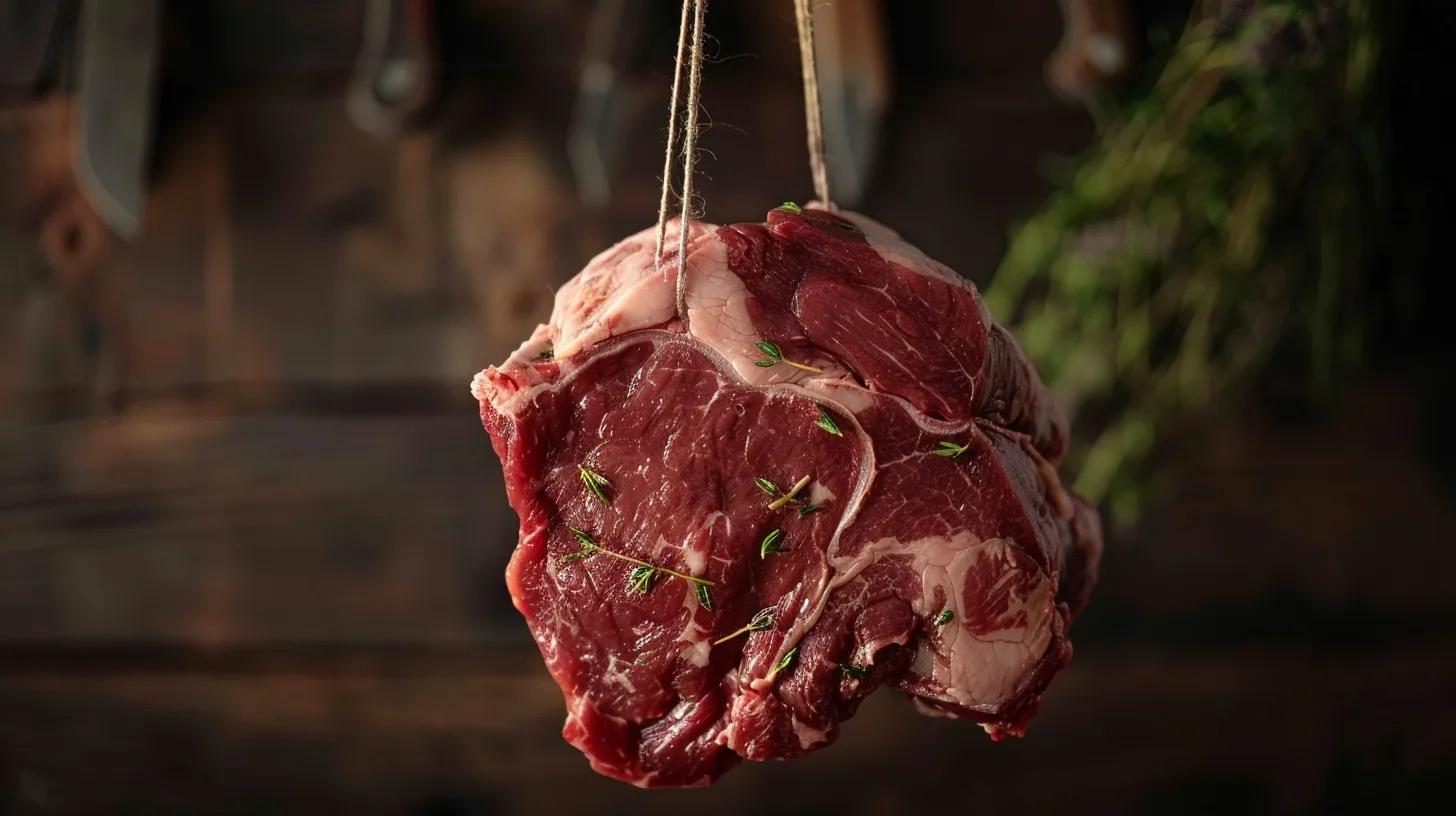
Buying a half cow — often called a half beef share — is one of the most cost-effective ways to stock your freezer with a wide variety of quality cuts while supporting ranchers who sell direct to consumers. This guide walks you through what a half cow actually is, how pricing and yields are calculated, and the steps to order one online from a ranch or processor. You’ll learn the usual cost components, how packaged pounds relate to hanging weight, how much freezer space you’ll need, and what to expect at pickup or delivery. We compare per-pound math to retail, explain common customization and processing choices, and highlight the ranching and breed details that influence flavor and sustainability. To keep things practical, we reference a real pre-order example — Capital Farms’ 1/2 of Premium Corriente Beef — to illustrate pricing and fulfillment while keeping the focus on education.
How Much Does a Half Cow Cost and What’s Usually Included?
A “half cow” is one side of a processed beef carcass sold to a buyer. After processing it yields a mix of primal and sub-primal cuts, roasts, steaks, short ribs, and ground beef. The final packaged pounds you receive depend on the animal’s hanging weight, the processor’s trim level and fabrication choices, and how packages are portioned — which is why many sellers quote a base share price plus separate processing fees. Breaking down the cost components helps you compare offers and calculate a true per-pound delivered price that includes deposit, processing, and shipping. Below we list the common cost items and show how a sample ranch offer maps to them so you know what to expect when you buy half a cow.
This table outlines common cost components and a typical market comparison to a ranch offer.
| Cost Component | What It Covers | Typical Range / Example |
|---|---|---|
| Share Price (product) | Purchase of half the carcass (meat only) | Varies by breed/quality; example product price listed below |
| Deposit / Pre-order | Reserves the animal/share and production slot | Often 10–50% of total or a fixed deposit |
| Processing & Cut Fees | Slaughter, hanging, cutting, vacuum packaging | $0.70–$1.50 per lb processed depending on options |
| Shipping / Cold-chain | Insulated shipping with dry ice or local pickup | Regional; flat fee or variable by distance |
Separating the base meat cost from processing and delivery charges makes it easier to know the true delivered cost per pound. With those line items clear, we’ll ground the discussion using a vendor example so you can compare market offers more confidently.
What Is the Price of a Half Cow from Capital Farms?
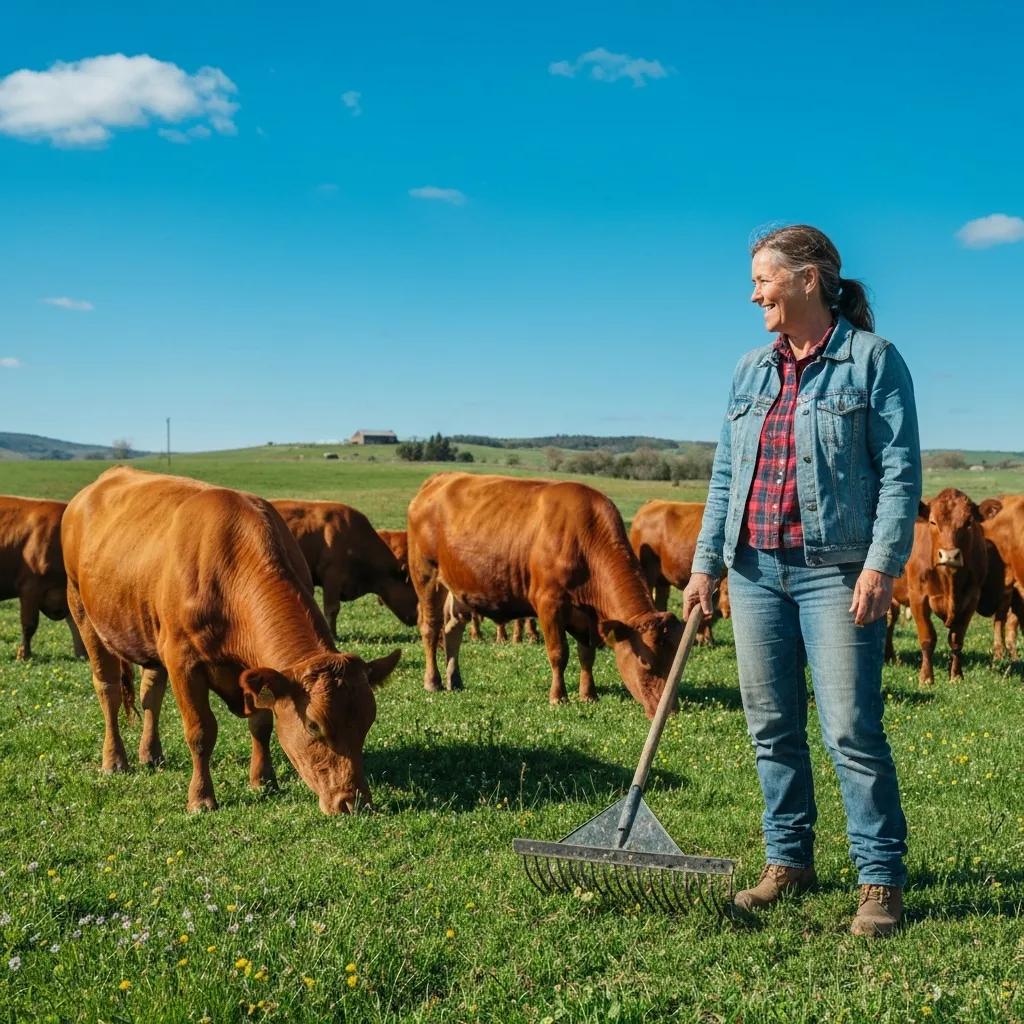
Capital Farms currently lists a pre-order product called 1/2 of Premium Corriente Beef for exactly $2,199.00. This listing represents a half share of Corriente beef raised under the farm’s described practices and is available for pre-order with shipping scheduled for December 2025. The product price is shown as the half-carcass purchase; buyers should confirm whether processing fees, local pickup options, or shipping are added at checkout or handled separately.
Using that price against the cost-component breakdown above gives a concrete reference for evaluating per-pound value and understanding how breed, finish, and ranching practices can influence price. Knowing what the price covers in packaged pounds and included cuts will help you decide if a half-cow purchase fits your household and freezer space.
A transparent product price like this makes comparison shopping easier — just be sure to verify processing selections and any add-on services before finalizing your order so there are no surprises at fulfillment. The section below details typical cuts and estimated packaged pounds so you can compare yield to price.
What Cuts and How Much Meat Come in a Half Cow Share?
A half beef share typically includes a balance of steaks, roasts, short ribs, and ground beef that add up to the packaged pounds you’ll store. Yields vary, but a common example yield is roughly 150–170 pounds of packaged meat after trimming and processing. That usually covers steaks like ribeye, New York strip, and tenderloin; roasts such as chuck and rump; brisket and short ribs; plus a good amount of ground beef. The table below lists common cuts, approximate pounds per half share, and suggested cooking uses to help with meal planning and inventory.
| Cut | Estimated Pounds per Half Share | Typical Use / Cooking Method |
|---|---|---|
| Ribeye / Prime Steaks | 12–16 | Grill or pan-sear for steaks |
| New York / Strip | 8–12 | High-heat searing for steaks |
| Filet / Tenderloin | 4–6 | Broil or pan-sear — special-occasion steaks |
| Chuck Roasts | 20–30 | Slow braise, pot roast |
| Brisket | 8–12 | Smoke or slow roast |
| Short Ribs / Oxtail | 8–14 | Braise or slow-cook |
| Ground Beef (total) | 30–50 | Burgers, sauces, everyday meals |
This breakdown shows how weight is distributed across premium steaks, versatile roasts, and bulk ground beef. Exact weights will change with animal size and processor choices, and many processors let you customize package sizes and grind ratios to better fit your household’s needs. Next, we’ll walk through how to pre-order and what to expect at fulfillment.
How Do I Order and Receive a Half Cow from Capital Farms?
The online ordering flow for a half cow is usually straightforward: pick the product, pay the deposit or full price, select processing and packaging preferences, then choose shipping or pickup. Knowing each step ahead of time reduces uncertainty and helps ensure your beef arrives properly processed and cold-chain protected. Below are the practical steps to pre-order a half cow from a direct-to-consumer ranch like Capital Farms and what to expect in timing and confirmation messages.
- Pick the half-cow product you want and read the product details, price, and available processing options.
- Pay the required deposit or full price to reserve your share; keep your order confirmation and any butcher worksheets.
- Submit butcher/processing choices (cut counts, thickness, grind mixes) by the processor’s stated deadline.
- Choose shipping or local pickup and note estimated shipment or pickup windows and tracking before delivery.
These steps emphasize documentation and processing deadlines so your meat is cut and packaged to your preferences. Double-check whether processing fees and shipping are included in the listed price, and verify the projected delivery window so you can prepare freezer space. The list below compares shipping versus pickup options to help you decide.
- Shipping: Usually shipped in insulated containers with dry ice; costs depend on distance and carrier.
- Local pickup: Can reduce shipping costs and lets you move product to your freezer immediately; usually requires scheduling at the processor or ranch location.
- Hybrid options: Some sellers offer regional pickup points or scheduled shipping windows to consolidate deliveries.
Which option is best depends on your location, freezer readiness, and budget. Shipping is convenient; pickup can save money and let you inspect packaging. Capital Farms follows this model for their Premium Corriente Beef pre-order, with a shipping window noted for December 8, 2025, so customers can plan accordingly.
How Much Freezer Space Will a Half Cow Take?

Planning freezer capacity matters because vacuum-sealed meat still takes up volume. As a rule of thumb, a half share yielding roughly 150–170 packaged pounds typically needs about 8–12 cubic feet of freezer space, depending on how densely packages are stacked and whether large roasts are left whole or cut into steaks. That helps you decide whether to buy a small chest freezer, repurpose an upright, or arrange staggered pickups with a local processor.
| Freezer Size (cu ft) | Estimated Pounds Stored | Number of Half Cow Shares Fit |
|---|---|---|
| 7–9 cu ft | 120–160 lbs | 0.8–1 share (tight fit) |
| 10–15 cu ft | 160–240 lbs | 1–1.5 shares |
| 16–25 cu ft | 240–400 lbs | 1.5–2.5 shares |
For most households planning one half share, a 10–15 cubic-foot chest or upright freezer gives comfortable room for packaging and airflow. Packaging method matters: vacuum sealing compacts meat and saves space, while tray-packed or butcher-paper-wrapped pieces take more room. Below are practical storage tips to maximize capacity and maintain quality.
- Vacuum-seal steaks and ground portions to save space and prevent freezer burn.
- Label each package with the cut and date so you can rotate stock easily.
- Group similar cuts and stack flat, leaving 1–2 inches of air space for even freezing.
- Keep your freezer at or below 0°F and monitor temperature during the first few days after delivery.
Following these storage habits preserves texture and flavor while making the most of your cubic feet. Clear labeling and organization also make meal planning and portion rotation simple, which reduces waste. The next section explains how breed and ranching practices influence quality and buying choices.
Why Choose Capital Farms’ Corriente Beef for Your Half Cow?
Price matters, but so do breed, animal-raising practices, and transparency about feed and finishing. Capital Farms highlights Corriente cattle and regenerative ranching methods as differences that can affect flavor, nutrition, and environmental impact. Knowing these signals helps buyers decide whether a premium price reflects the qualities they value — taste, traceability, and stewardship.
- Corriente breed: A lean, flavorful profile that works well across cooking styles and offers a distinct texture.
- Regenerative ranching: Practices aimed at improving soil health and water management compared with conventional systems.
- Animal husbandry: Hormone-free practices and longer natural raising periods that can influence maturity and flavor.
For buyers prioritizing traceability and particular taste profiles, these attributes can justify a higher per-share price. The subsection below explains Corriente and regenerative practices in more detail so you can weigh those claims against your priorities.
What Are the Benefits of Corriente Beef and Regenerative Ranching?
Corriente cattle are a hardy, historically established breed known for efficient forage use and a lean, beef-forward flavor many people enjoy. Regenerative ranching — including rotational grazing, diverse forage planting, and attention to soil carbon — aims to improve ecosystem functions like soil structure and water retention, which supports healthier pastures and animals. For buyers, these practices can mean meat from animals raised in systems designed to reduce external inputs and support long-term landscape health, aligning with preferences for sustainable sourcing and flavor nuance.
Knowing breed and ranching details helps you decide whether those factors should influence your purchase. Many buyers who want environmental benefits and specific flavor profiles prefer ranches that clearly describe their management practices. Next we cover how Capital Farms communicates hormone-free and feeding assurances to prospective buyers.
How Does Capital Farms Ensure Hormone-Free, Grass-Fed Beef?
Capital Farms describes their Corriente beef as raised naturally for 48+ months and hormone-free, started on pasture and then grain-finished to develop marbling and flavor. Verifying these claims typically involves on-farm records, feed documentation, and clear timelines showing the animal’s diet and finishing period before processing. As a buyer, ask for explicit statements about raising timelines, what “grain-finished” means in practice, and any satisfaction or quality guarantees the seller offers.
Request clear processing and raising notes when you pre-order so expectations about diet, hormone use, and aging are aligned with what the ranch provides. Capital Farms pairs these descriptions with a satisfaction guarantee to give buyers additional confidence while keeping product details transparent. With supplier quality understood, consider the cost savings and everyday advantages of buying bulk beef instead of retail cuts.
What Are the Cost Savings and Everyday Benefits of Buying Bulk Beef?
Buying a half cow usually lowers your per-pound cost versus buying the same cuts at retail because you’re paying for the carcass rather than retail markups and individual packaging. Bulk buys also cut packaging waste and let you set portion sizes, grind mixes, and aging choices. A few simple calculations show when a half share makes financial sense for a household.
- Divide the total share price by estimated packaged pounds for a baseline per-pound cost.
- Add processing and shipping fees to reach the final delivered per-pound price.
- Compare that final number to local retail averages for the same cuts to see your savings or break-even point.
These steps make it clear how a bulk purchase spreads cost across many meals, which is appealing for large families, meal preppers, and anyone who cooks from scratch frequently. Here’s a short example using the Capital Farms price as a reference.
- Example: A half share priced at $2,199.00 yielding ~158.5 packaged pounds gives a base cost of about $13.87 per packaged pound before processing and shipping.
- Compare that $13.87 to local retail prices for steaks and roasts to estimate savings; retail prime steaks are often much higher per pound, while some ground beef prices may be similar or lower.
- Consider the value of whole cuts: a bulk purchase often includes premium steaks and roasts in the same per-pound calculation, increasing overall value.
Knowing these trade-offs helps you decide whether the freezer space and time investment are worth the savings and control you get from a half-cow purchase. Next we answer common buyer questions about yield and customization so you’re ready to move forward.
Common Questions About Buying a Half Cow
Buyers often ask about how much meat they’ll actually receive and whether they can customize cuts and grind ratios. Those two things shape freezer planning and meal prep. Clear expectations around average yields, the differences between live/hanging/packaged weights, and processor customization policies help avoid surprises. Below are concise answers to the questions we hear most.
How Much Meat Will I Receive from Half a Cow?
A typical packaged yield from a half cow is often in the 150–170 pound range, but that varies with hanging weight, trim level, and processing choices. Hanging weight is the carcass weight after slaughter and initial dressing; packaged retail pounds are lower because bone, extra fat, and moisture losses are removed during fabrication. Factors that change final yield include the animal’s size, the processor’s trimming standards, aging time, and whether you want thicker steaks or whole roasts. Understanding these distinctions helps you estimate storage needs and per-pound costs more accurately when comparing offers.
Use this yield estimate for planning freezer space and weekly meal distribution, but confirm expected packaged pounds with your chosen processor or ranch before final payment. The next section covers customization and ordering specifics.
Collaborative Beef Acquisition: Practical Strategies for Splitting Halves
Consumers can reduce cost and storage needs by sharing halves or quarters of an animal with friends or family.
Can I Customize My Half Cow Cuts and Order?
Yes. Most processors and direct-to-consumer farms let you choose cut thickness, how many steaks per package, grind ratios, and whether to leave roasts whole or portion them. Customization usually requires a butcher worksheet or checkout options and must be submitted by the processor’s deadline. Note that extra trimming, special package sizes, or unusual requests can add processing fees and may slightly affect final yield. To lock in your preferences, communicate clearly when you order and keep confirmation of your processing selections.
Capital Farms accepts pre-orders with processing choices and provides expected shipping windows; customers should confirm any custom-cut requests during the ordering flow and verify additional fees. If you’re ready to buy a half cow, consider Capital Farms’ 1/2 of Premium Corriente Beef as an example: pre-order priced at $2,199.00 with shipping scheduled in December 2025 and a satisfaction guarantee intended to give buyer confidence on quality and fulfillment.
With these final pointers you should be ready to compare offers, measure freezer needs, and complete a pre-order with clear expectations about yield, processing, and delivery. When you’re ready, plan freezer space, finalize cut preferences, and confirm delivery or pickup timing with your chosen supplier to ensure smooth fulfillment.
Frequently Asked Questions
What are the advantages of buying a half cow compared to retail meat?
Buying a half cow usually means a lower per-pound cost versus buying the same cuts at retail because you avoid retail markups and extra packaging. Bulk purchases let you control portion sizes, grind mixes, and aging, and they typically reduce packaging waste. This approach is economical and practical for families, meal preppers, or anyone who cooks from scratch regularly.
How can I ensure the quality of the beef I purchase?
Research the ranch or supplier’s practices and ask for transparency around animal care, feeding, and processing. Look for clear descriptions of breed, raising timelines, and any guarantees about hormone use or finishing. Suppliers like Capital Farms provide breed and ranching information that helps you make an informed choice — and you can always ask for documentation or certification where available.
What should I consider when choosing a processing option?
When choosing processing, weigh convenience, cost, and your ability to inspect the product. Shipping is convenient but adds cost; local pickup can save money and let you check packaging. Also consider cut thickness, package size, and grind options. Understanding processor deadlines and fees ensures your preferences are honored without surprises.
Can I share a half cow purchase with others?
Yes. Many buyers split halves or quarters with friends or family to lower cost and storage needs. If you share, agree in advance on cuts and processing choices to avoid confusion when the meat is processed and distributed.
What are best practices for storing bulk beef?
Vacuum-seal individual portions to prevent freezer burn, label each package with cut and date, organize similar cuts together, and keep the freezer at or below 0°F. Monitor temperature, especially right after delivery, and rotate stock so older packages are used first.
How do I calculate the total cost of buying a half cow?
Start with the share price for the carcass, add processing fees, and include shipping if applicable. Divide the total by the estimated packaged pounds to get your per-pound delivered cost. Compare that figure to local retail prices for similar cuts to judge savings and value.
Conclusion
Buying a half cow can deliver strong savings, a wide selection of cuts, and greater control over how your meat is processed and portioned — which makes it a smart choice for many households. By understanding cost components, expected yield, and freezer needs, you can make an informed purchase that fits your cooking habits and values. If traceability and regenerative practices matter to you, sourcing directly from farms like Capital Farms is an effective way to get premium beef while supporting sustainable ranching. When you’re ready, plan your freezer space, finalize cut preferences, and place a pre-order to start stocking your freezer with responsibly raised beef.