
Understanding Beef Cuts Guide for Farmers
Understanding Beef Cuts Guide for Farmers

By Capital Farms Meats & Provisions Editorial Team · Updated 2026-07-28
Beef cuts range from premium NY Strip Steak at $23.00 to Sirloin Steak at $22.00, reflecting tenderness and marbling differences farmers should weigh alongside byproducts like Corriente Beef Tallow, priced $79.99 per 7.2 lb bucket, when evaluating overall carcass value.
Primal cuts and USDA quality grades determine value: NY Strip Steak starts at $23.00. Sirloin Steak at $22.00, reflecting tenderness differences farmers should track from live weight through hanging and take-home weights for accurate carcass valuation.
Beef cuts guide value depends on primal location, carcass weight measurements, and finishing method—factors that determine both eating quality and pricing structure. Corriente cattle, harvested at 48 months or older instead of the typical 18, develop marbling comparable to Choice. Prime grades, giving small ranchers a documented quality advantage when pricing whole, half, and quarter-beef sales.
Key Takeaways
- USDA quality grades (Prime, Choice, Select) serve as industry standard language for beef transactions and value assessment.
- Beef cuts organize into primal cuts and custom cut sheets, determining final product weights and market value.
- Live weight, hanging weight, and take-home weight differ significantly, affecting farmer profitability and pricing calculations.
- Premium Corriente beef products like NY Strip Steak ($23.00) command higher prices than standard sirloin cuts ($22.00).
What Do You Need Before Grading Your Cattle?
Grading preparation starts with two records: the animal's production timeline and a working knowledge of primal cuts. Ranchers who skip this step often underprice their beef or struggle to explain quality to customers at the farm store.
Before pricing a whole, half, or quarter order, ranchers should complete the following steps:
- Confirm the harvest age. Cattle raised on a longer timeline, such as 48 months or more, develop different flavor and texture compared to animals processed around 18 months.
- Document the feeding program. A grass-fed period followed by a defined grain-finishing window, often 200 days, gives buyers a repeatable story and helps set consistent pricing across seasons.
- Map the carcass into primal cuts. A steer breaks down into eight primal sections: chuck, rib, loin, round, brisket, plate, flank, and shank. This understanding beef cuts guide step forms the foundation for every retail cut sold later.
- Match cuts to customer expectations before the processor finalizes the cut sheet.
Why does harvest age matter for grading?
Older cattle carry more time to build marbling and deeper flavor than animals harvested young. Ranchers marketing longer-raised beef should note this difference directly on labels or sales sheets, since customers rarely know to ask.
How many primal cuts come from one steer?
Eight. Chuck, rib, loin, round, brisket, plate, flank, and shank divide the carcass and determine which retail cuts a customer receives in each order.
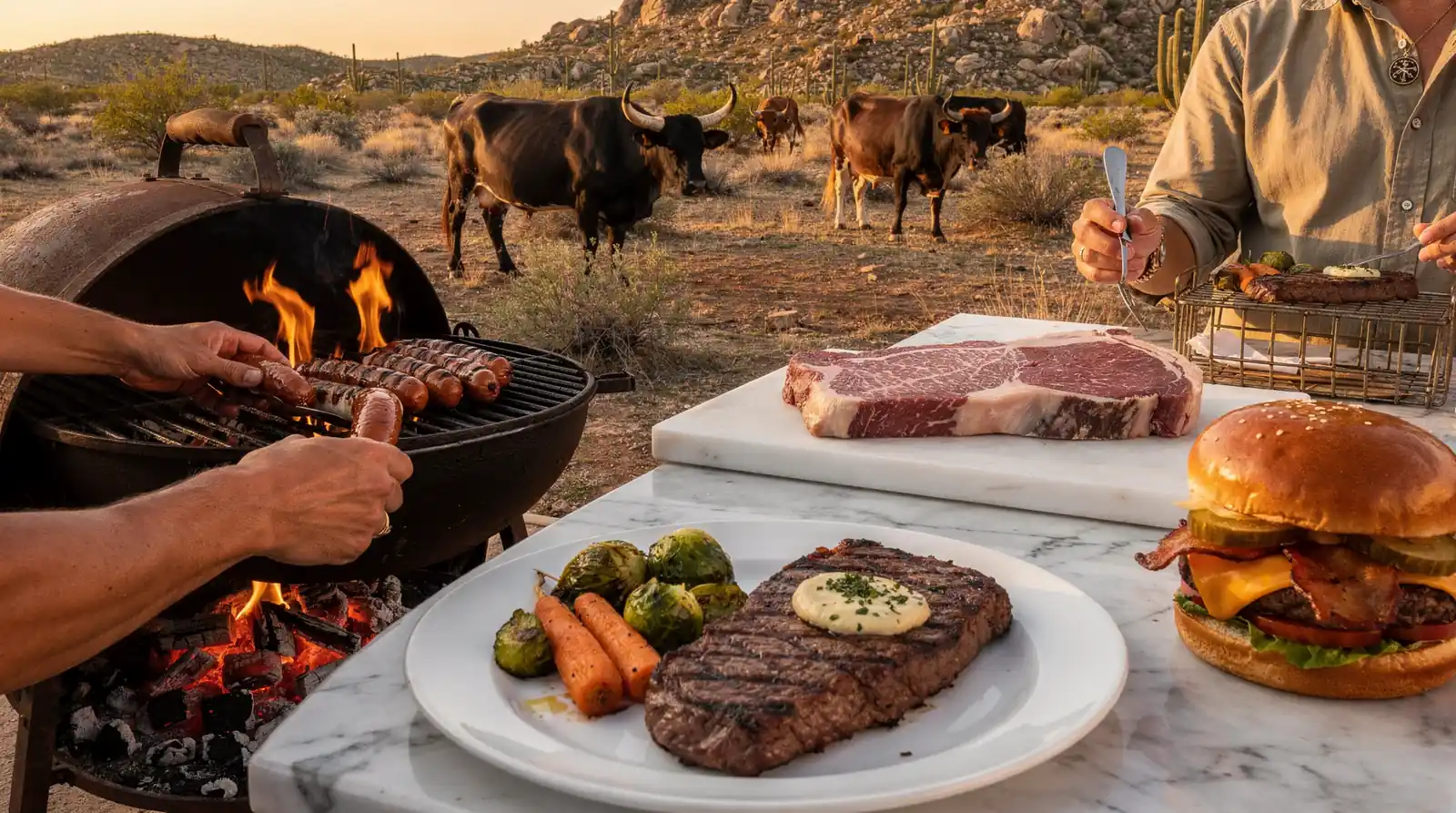
How Do You Grade and Price Each Primal Cut?
Grading and pricing each primal cut requires separating two distinct measurements: quality grade and yield grade. Skipping this separation costs producers real money at the scale house and at the farm-store counter. Building this understanding of beef cuts into a repeatable process protects margin on every animal processed.
Follow these steps before setting a single price tag:
- Evaluate marbling first. Marbling level signals eating quality, and certain heritage breeds naturally reach marbling scores comparable to Choice or Prime.
- Record the quality grade. This score reflects tenderness, juiciness, and flavor — not carcass size.
- Calculate the yield grade separately. Yield grade measures the amount of usable, salable meat on the carcass.
- Assign carcass value based on both grades. Carcass grade directly determines the dollar amount a producer receives, so accuracy here is a financial issue, not paperwork.
- Price primal cuts individually. Match each cut's market position to demand rather than pricing the whole carcass at one apartment rate.
What's the difference between quality grade and yield grade?
Quality grade measures how the meat will taste and feel on the plate. Yield grade measures how much usable meat the carcass produces. Confusing the two leads farmers to undervalue high-marbling animals or overprice low-yield ones.
Why do primal cuts vary so much in price?
| Cut | Starting Price |
|---|---|
| Teres Major Steak | $14.00 |
| Filet Mignon Steak | $53.00 |
Smaller, less-known cuts like Teres Major carry modest value. Premium cuts like Filet Mignon command far higher prices per pound. Pricing every cut identically ignores this spread and shortchanges the operation.
How Do You Avoid Common Pricing and Marketing Mistakes?
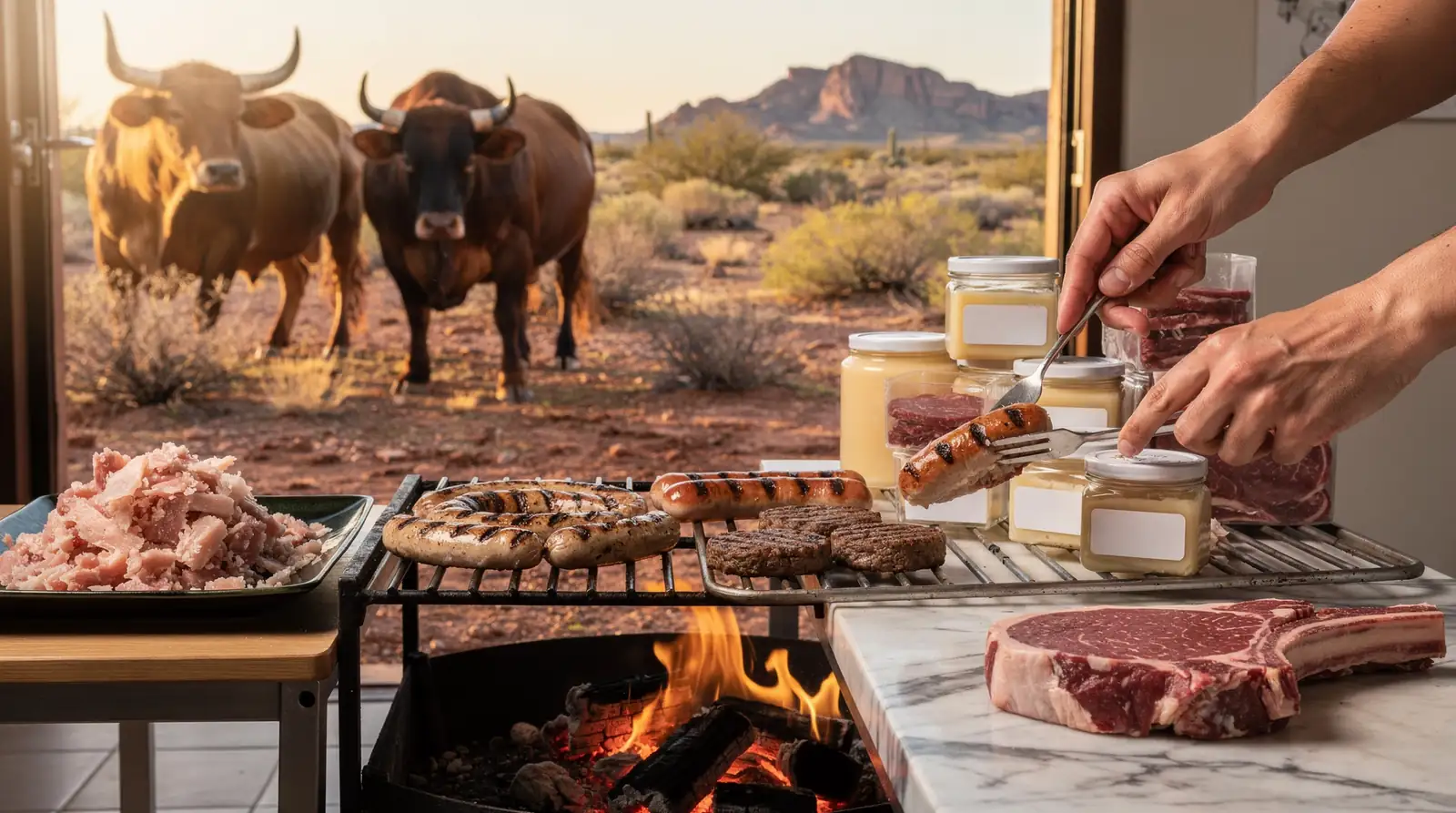
Four mistakes drain profit from most direct-to-consumer beef operations. Fat trim gets tossed in the dumpster instead of rendered into tallow, hormone-free practices go unmentioned on labels, customer reviews sit uncollected, and USDA grade shields get printed without explanation. A ranch team following a solid beef cuts and grading guide can correct each error before the next processing run.
What should ranchers do to fix these mistakes?
- Save fat trim from every carcass and package it as rendered tallow, sold separately in small jars or bulk buckets.
- Print "hormone free, grass-fed, grain-finished" directly on packaging rather than assuming customers already know the herd's history.
- Ask every buyer for a review after pickup; a strong rating record earns repeat orders faster than any flyer.
- Explain what a grade shield actually means, since the shield alone signals safety but not the story behind the beef.
Why does grading confusion hurt sales?
Customers see the USDA shield and assume it tells the full story. It doesn't explain age, feed, or flavor, so ranchers lose the chance to justify a premium price.
Understanding beef cuts and their value represents more than a commercial transaction—it reflects a commitment to honoring the animal and maximizing every resource. At Capital Farms, we recognize that quality beef begins with sound agricultural practices and extends through thoughtful processing and stewardship. By selecting premium Corriente beef, farmers and consumers alike invest in products rooted in sustainable ranching traditions and rigorous quality standards. This knowledge empowers informed decisions that support both personal nutrition and responsible land stewardship.
FAQ
Why do Corriente cattle offer a quality advantage?
Corriente cattle harvest at 48 months or older instead of the typical 18, developing marbling comparable to Choice or Prime grades. This gives small ranchers a documented quality advantage when pricing whole, half, and quarter-beef sales.
What is the difference between quality grade and yield grade?
Quality grade reflects tenderness, juiciness, and flavor rather than carcass size. Yield grade measures the amount of usable, salable meat on the carcass. Ranchers must record and calculate these separately before assigning carcass value.
How many primal cuts does a steer produce, and why does it matter?
Mapping these cuts forms the foundation for every retail cut sold later and helps match products to customer expectations.