
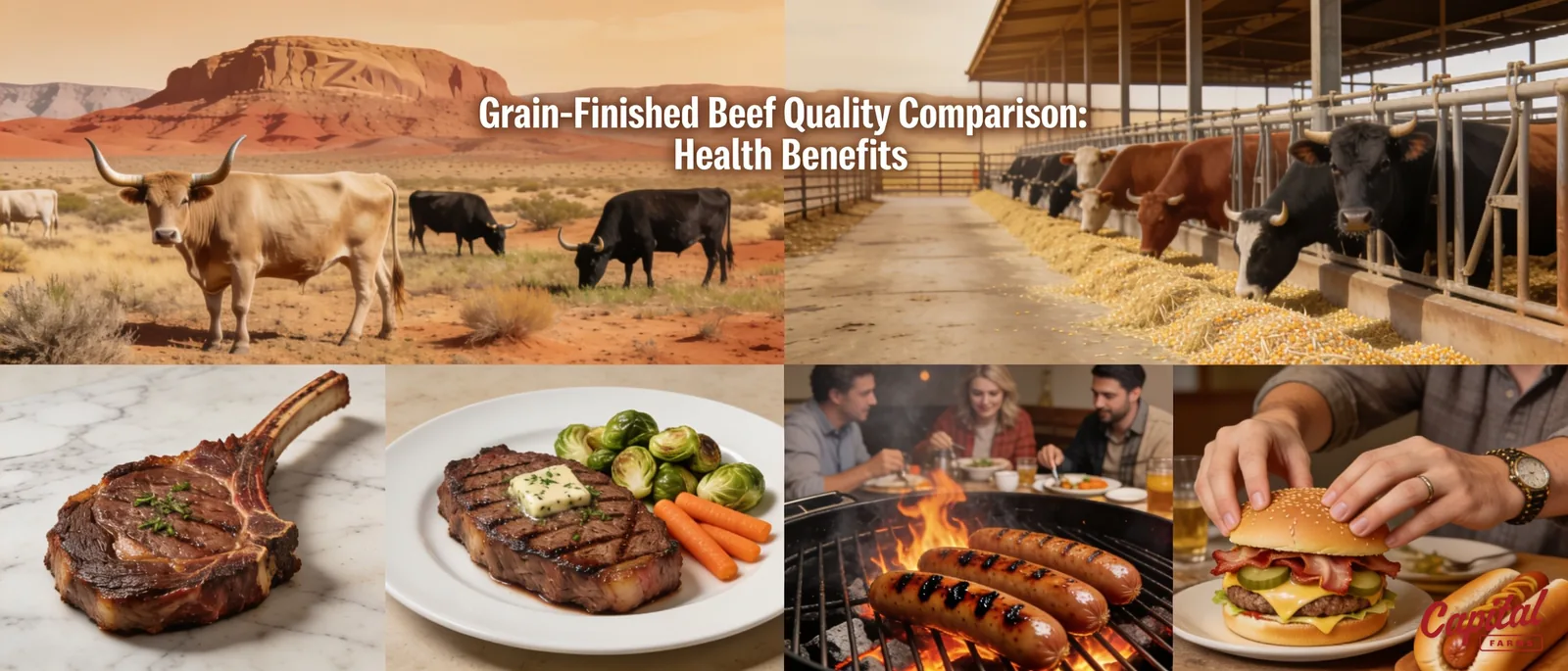
Grain-Finished Beef Quality Comparison: Health Benefits
Grain-Finished Beef Quality Comparison: Health Benefits
By Capital Farms Meats & Provisions Editorial Team · Updated 2026-07-28
Grass-fed beef contains higher omega-3 levels and less total fat than grain-finished beef, which typically has more marbling and calories. Capital Farms' Premium Corriente Beef, raised without grain-finishing, reflects this leaner profile, priced at $22.00 for Sirloin Steak.
Grass-fed beef contains lower total fat and more heart-healthy omega-3 fatty acids than grain-finished beef. Grain-finished cuts, like Capital Farms' NY Strip Steak from $23.00, offer more marbling and richer flavor at a typically lower cost.
Nutritional differences between grass-fed and grain-finished beef trace back to diet and harvest age. Capital Farms' Corriente cattle graze Arizona rangeland for two years, then finish on grain for 240 days, producing marbling comparable to Cho
Key Takeaways
- Grass-finished beef contains higher omega-3 fatty acids and conjugated linoleic acid than grain-finished beef.
- Dr. Stephan Van Vliet's research at Utah State University compared nutritional profiles of grass-finished versus grain-finished beef.
- Grain-finished beef production uses diverse local market resources to raise wholesome and nutritious beef efficiently.
- Capital Farms offers premium Corriente beef products, including NY Strip Steaks starting at $23.00 per cut.
What Actually Separates Grass-Fed From Grain-Finished Beef?
Timing on the feed lot marks the real dividing line. Cattle raised entirely on pasture develop leaner muscle. A finishing period on grain builds the fat marbling that drives flavor and tenderness. Capital Farms' cattle graze pasture for two years, then move to a feedlot for 240 days of grain feeding before harvest. That combination sits at the center of any honest grain-finished beef quality comparison: duration and sequencing of diet, not just the presence of grain, shape the final product.
Most conventionally raised cattle spend the bulk of their lives on one feed type, then switch briefly before slaughter. Capital Farms structures that transition deliberately, using the grain period specifically to develop tenderness and flavor rather than to rush cattle to market weight.
Does grain-finishing mean the beef is less natural?
No. Federal labeling rules govern how these terms appear on packaging. The USDA sets specific criteria producers must meet before using "grass-fed" or "grain-finished" claims. The language on a package reflects a verified feeding history, not marketing shorthand.
Feeding Timeline Comparison
| Stage | Duration | Purpose |
|---|---|---|
| Pasture grazing | 2 years | Builds frame, muscle |
| Grain finishing | 240 days | Develops marbling, tenderness |
Sequence, not shortcuts, defines the difference consumers taste at the table.
Does Grass-Fed Beef Really Offer Health Advantages?
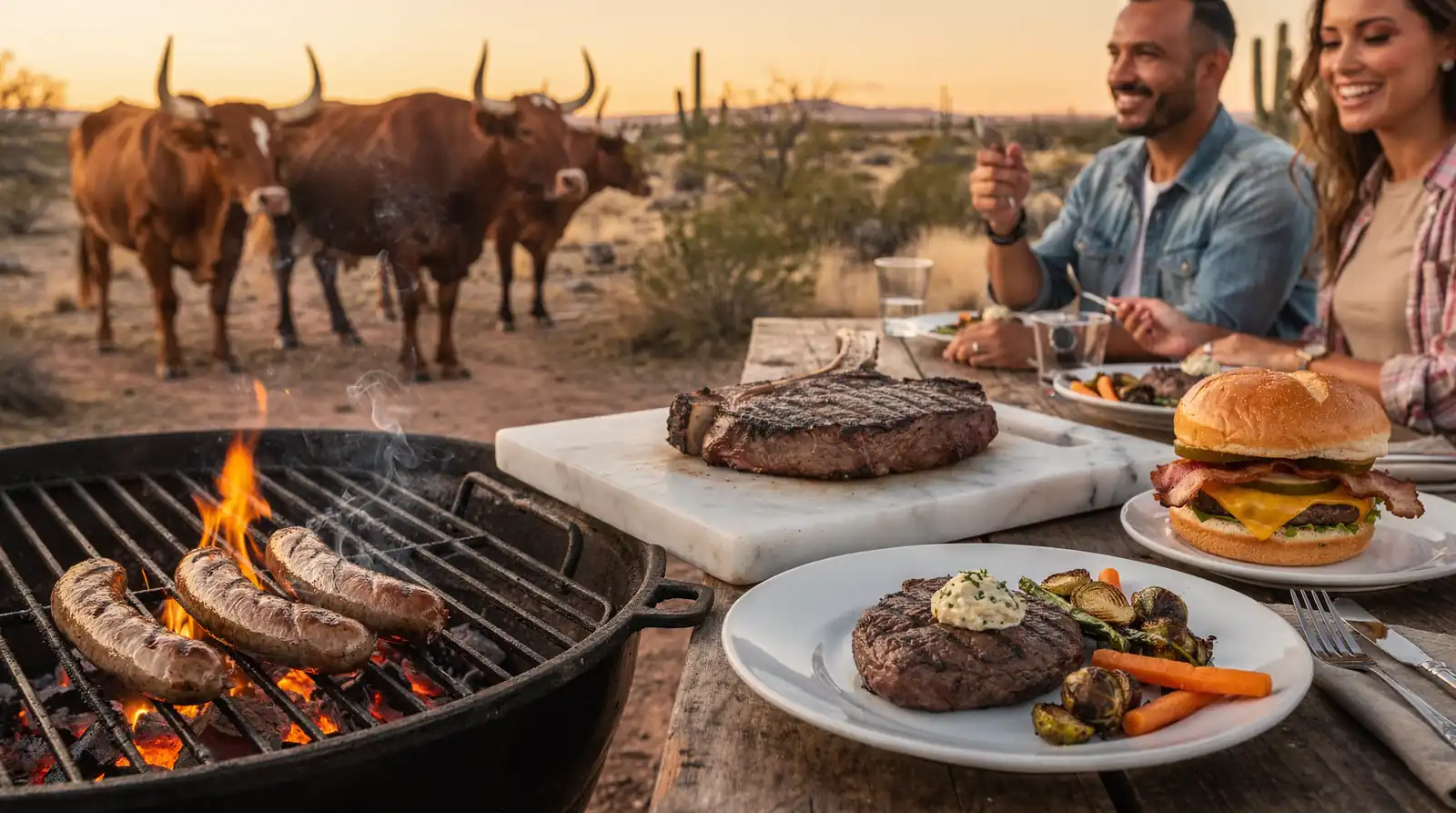
Grass-fed beef carries a modest nutritional edge in two specific areas: total fat and certain fatty acids. Research on beef composition shows grass-fed cuts often run lower in total fat than their grain-fed counterparts. That same research points to higher levels of omega-3 fatty acids. Conjugated linoleic acid in grass-fed beef, two compounds linked to heart health. For a nutrition-label-literate shopper, those differences matter on paper.
But the full picture requires context, not just a headline stat. A thorough grain-finished beef quality comparison shows that both feeding methods still leave saturated fat in the meat. Neither approach eliminates it. The distinction lies in degree, not category.
Does grain-finished beef still deliver solid protein?
Protein content holds steady regardless of finishing method. A 3-ounce serving of ribeye steak delivers roughly 24 grams of protein, making it a reliable anchor for a protein-focused diet.
Which fat differences actually matter for heart health?
The gap centers on fatty acid profile rather than protein or calories. Grass-fed beef's advantage in omega-3s and conjugated linoleic acid is real. Modest, and shouldn't be mistaken for a saturated-fat-free product. Home cooks weighing the premium price of grass-fed beef should treat these differences as incremental, not transformative.
Is Grain-Finished Corriente Beef Worth The Investment?
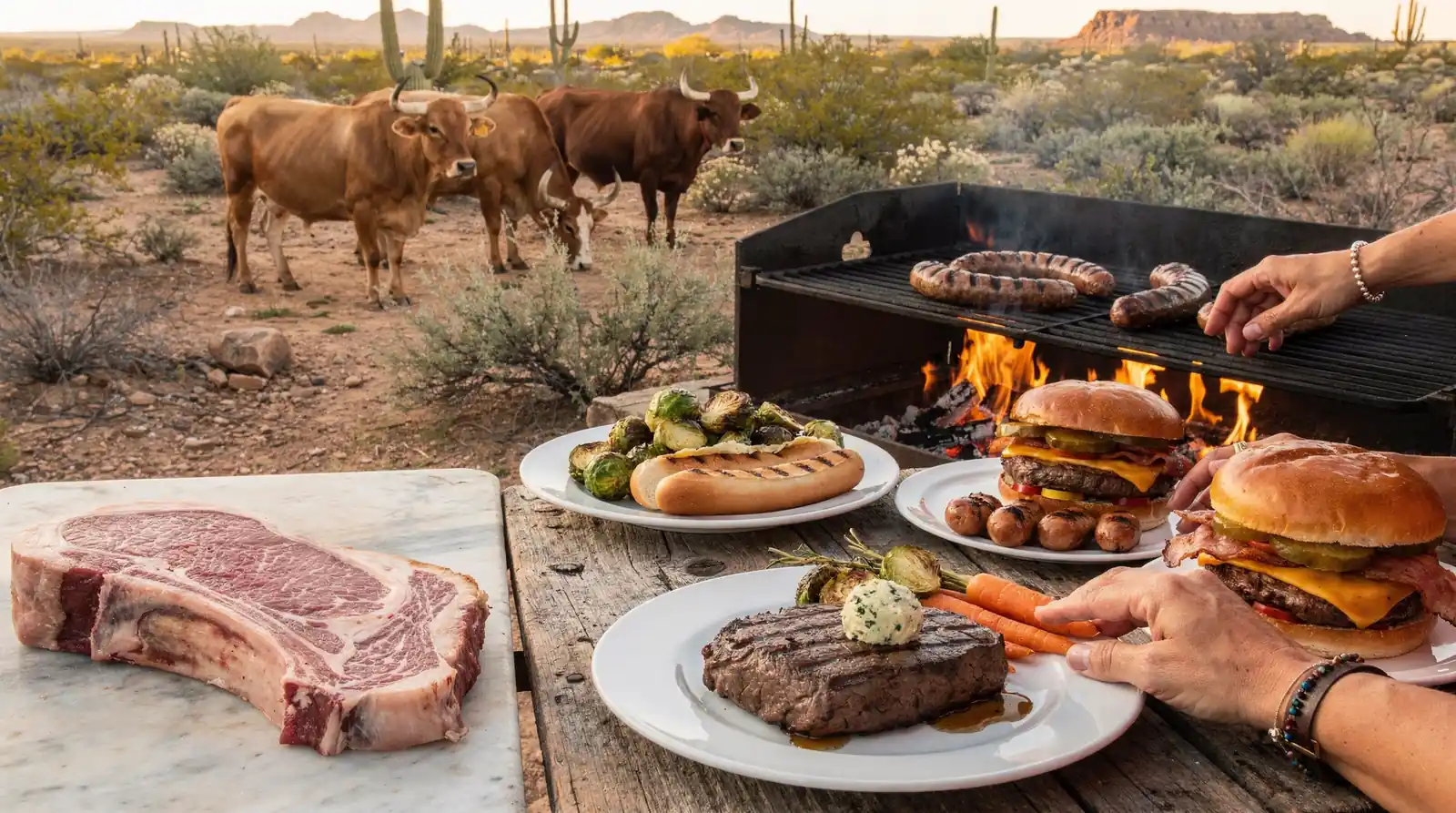
Value shows up on the plate, not just the price tag. Corriente beef delivers marbling that stands shoulder to shoulder with Choice or Prime grades, a detail that separates it from ordinary grain-finished cuts and anchors the grain-finished beef quality comparison health-conscious shoppers care about. That marbling isn't accidental. It comes from time, patience, and a cattle breed built for endurance rather than speed.
Why does Corriente beef take so long to reach the table?
Capital Farms harvests Corriente cattle at 48 months or older. Most beef cattle reach harvest weight around 18 months. That extra time — roughly two and a half years longer. Allows fat to develop gradually throughout the muscle, producing the buttery texture nutrition-savvy cooks notice immediately.
Does grain finishing mean added hormones or shortcuts?
No. Capital Farms raises cattle without hormones, pairing a grass-fed rearing period with a grain-finishing phase. This approach lets natural growth patterns, not synthetic acceleration, shape the final product.
For shoppers weighing cost against quality, the numbers help:
- Marbling: Rivals Choice/Prime grades naturally
- Harvest age: 48+ months versus 18 months industry standard
- Hormones: None used
- Customer rating: 4.9 stars across 3.4K reviews
That rating suggests the extra investment pays off at the dinner table.
The choice between grain-finished and grass-fed beef ultimately reflects individual priorities regarding flavor, nutrition, and production methods. Capital Farms demonstrates that these approaches need not be mutually exclusive. Our Corriente cattle benefit from extended grazing on Arizona rangelands followed by careful grain finishing, delivering the tenderness and rich taste that discerning consumers seek. Whether prioritizing omega-3 content or marbling and palatability, informed consumers recognize that quality sourcing, ethical stewardship, and rigorous standards define superior beef more meaningfully than any single production method alone.
FAQ
What is the main nutritional advantage of grass-fed beef?
Grass-fed beef contains lower total fat along with higher levels of omega-3 fatty acids. Conjugated linoleic acid compared to grain-finished beef, both compounds linked to heart health.
Does grain-finished beef contain less protein than grass-fed beef?
No, protein content stays consistent regardless of finishing method. A 3-ounce serving of ribeye steak delivers roughly 24 grams of protein.
How does Capital Farms raise its Corriente cattle?
Capital Farms' Corriente cattle graze Arizona rangeland for two years, then finish on grain for 240 days, a sequence designed to develop tenderness and flavor through marbling.