
Discover the Benefits of Buying Half a Cow for Your Family
Buy Half a Cow: A Practical Guide to Premium Grass‑Fed Bulk Beef for Your Family

Buying half a cow means bringing home a variety of steaks, roasts and ground beef portioned and frozen for long‑term storage — often the most cost‑effective way to feed a household with high‑quality meat. This guide walks you through exactly what arrives in a half‑cow share, how pricing breaks down, and the practical steps for ordering, storing and cooking bulk beef so you can plan meals, freezer space and budgets with confidence. You’ll learn the difference between take‑home and hanging weight, how breed and finishing practices (like grass‑fed, grain‑finished) affect flavor and value, and what to expect during pre‑order and delivery windows. We also include a real‑world example of a premium half‑cow offering to make per‑pound math and logistics concrete — all with a focus on helping you decide if a half cow fits your family.
What Is Included When You Buy Half a Cow?
When you buy half a cow you typically receive a mix of primal and subprimal cuts broken into steaks, roasts and meal‑sized packages of ground beef — all processed, labeled, vacuum‑sealed and frozen for easy storage. The real advantage is variety: grillable steaks for weeknights, larger roasts for family dinners and ground beef for everyday meals, so you can rotate menus without daily grocery runs. Processing choices like dry‑aging and vacuum sealing affect tenderness and shelf life, while clear labels speed meal planning. Knowing the usual contents and packaging helps you map freezer space and decide portioning strategies before your shipment arrives.
Which Beef Cuts Come in a Half Cow Package?
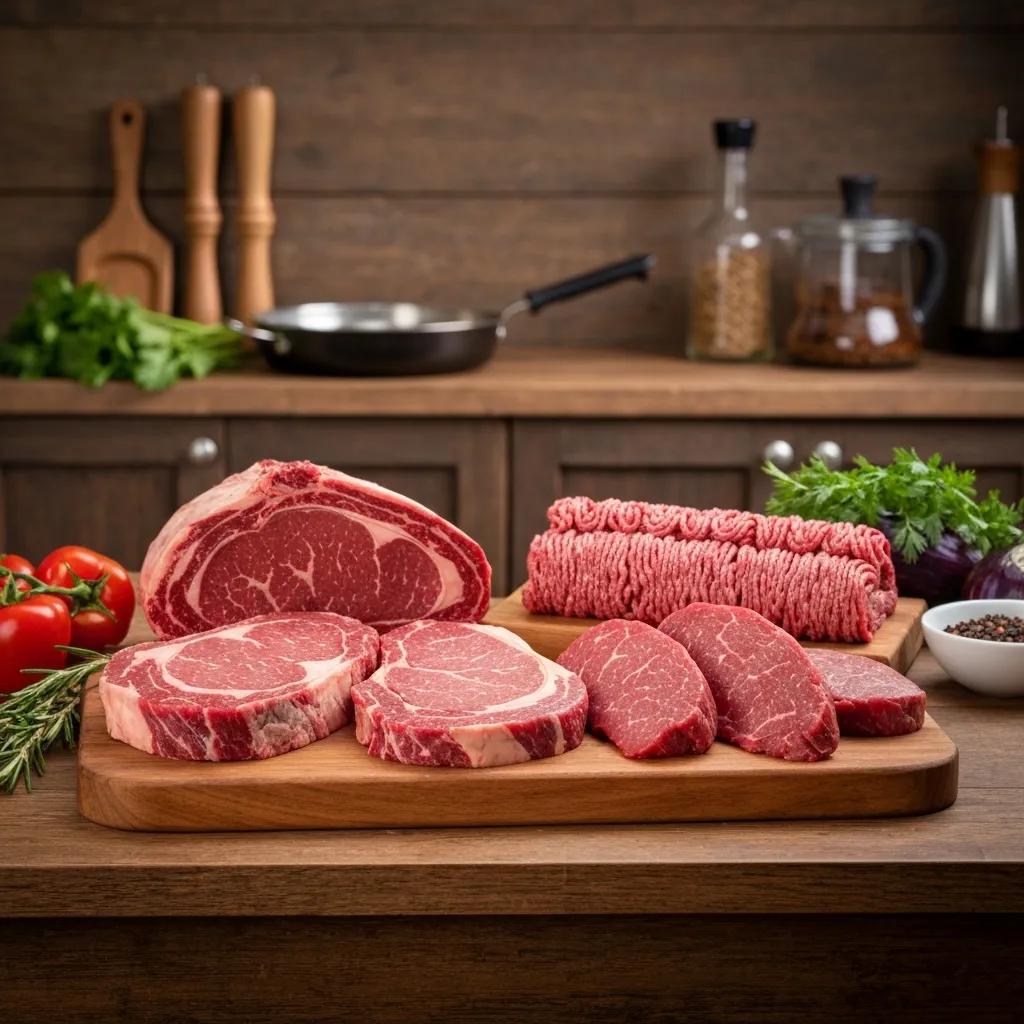
A half‑cow package commonly includes a representative mix of premium steaks (ribeye, strip, sirloin), tender portions when available (filet slices), several roasting cuts (chuck, rump, brisket) and a substantial amount of ground beef made from trim and tougher muscles. These cuts serve different kitchen uses and let households prepare a wide range of meals without frequent shopping. Packs are usually portioned into family‑friendly servings, vacuum‑sealed, and clearly labeled with cut name and weight to simplify meal prep. That combination of steaks, roasts and ground beef maximizes both value and week‑to‑week flexibility.
Note: the table below is an illustrative example based on a documented take‑home weight and common processing splits; actual yields vary by animal and butcher choices.
| Cut | Approx. lbs (example) | Best use / Cooking method |
|---|---|---|
| Ribeye steaks | 18.0 | Quick grilling or pan‑searing — tender, well‑marbled steaks |
| Strip & sirloin steaks | 20.0 | Grilling or broiling — great for weeknight steak dinners |
| Filet portions & tender cuts | 8.0 | High‑heat sear and oven finish — for special occasions |
| Roasts (chuck, rump, brisket) | 40.0 | Slow roast, braise, or smoke — family dinners and shredding |
| Ground beef | 50.0 | Burgers, tacos, sauces — everyday, versatile uses |
| Trimmings & miscellaneous | 22.5 | Bone broth, stew, or extra grind |
This example shows how roughly 158.5 pounds of take‑home meat can be divided into usable packages; the exact split depends on trim level, bone‑in versus boneless choices and any customization you request.
Quick take: the mix of steaks, roasts and ground beef gives you menu flexibility, and vacuum sealing preserves quality — estimating a cut breakdown ahead of delivery helps you plan freezer space and weekly menus.
How Much Meat Will You Receive from Half a Cow?
“Take‑home weight” refers to the packaged, consumable pounds you bring home after processing — it excludes hanging weight and live weight. A commonly cited take‑home total for a premium half‑cow example is about 158.5 pounds; that’s the sum of vacuum‑sealed steaks, roasts, ground beef and trimmings you’ll store in your freezer. Knowing take‑home weight makes per‑pound math straightforward and helps with realistic consumption planning — for example, a family of four using about three pounds of beef per week could expect a half cow to last roughly 13 weeks. Yields vary with animal size, trim level, bone‑in vs. boneless processing and any dry‑aging loss, so treat estimates as planning guides rather than guarantees.
Estimating edible yield from a beef carcass half is an important step in setting expectations for the actual meat you’ll receive.
Determination of Edible Meat Yield from Beef Carcass Halves
Retail yield percentage measures how much usable meat comes from a beef side or quarter. Because hanging weights can vary roughly from 200 to 300 pounds, expressing yield as a percentage helps account for that variability.
Buying a forequarter, hindquarter, or side of beef (Revised 1986), 1986
How Much Does Buying Half a Cow Cost?
Price for a half cow depends on breed, farming method, processing choices and whether shipping or pickup is included. The main cost components are the base product price, processing (butchering and packaging) and delivery or pickup fees. Breaking costs into these parts explains why bulk purchases usually cost less per pound than retail, and it helps you compare providers and find true value. A worked price example and simple per‑pound math make potential savings tangible, and a cost‑component list shows where extra fees can appear.
What Is the Price of Capital Farms’ Premium Half Cow?
Capital Farms lists a product titled "1/2 of Premium Beef" priced at $2,199.00 with a referenced pre‑order shipping date of December 8, 2025, and an approximate take‑home weight of about 158.5 pounds. This concrete example helps calculate a base per‑pound cost and compare bulk value with grocery prices. The offering includes a blend of steaks, roasts and ground beef, processed with dry‑aging and vacuum‑sealing, and it highlights hormone‑free, grass‑fed, grain‑finished beef raised under regenerative ranching practices with provenance tied to Arizona and the Sierra Madre mountains. Treat the listed price and shipping date as the seller’s stated terms for that pre‑order window.
Using the listed price and take‑home weight lets you calculate a base per‑pound figure by dividing $2,199.00 by 158.5 pounds — a useful comparison point when shopping around. That per‑pound number excludes any separately itemized processing or shipping fees, so confirm whether the price includes processing and delivery before you finalize your order.
What Are the Cost Benefits of Buying Bulk Beef?
Buying in bulk typically lowers the average per‑pound cost and reduces the number of grocery trips, delivering monetary and time savings across months of meals. A half cow spreads fixed costs — processing, packaging and transportation — over many pounds of meat, so the per‑pound price is often lower than buying individual premium cuts at retail. Other benefits include fewer errands, less single‑use packaging and better meal planning that cuts food waste. For households that cook frequently and have freezer capacity, these advantages often justify the up‑front investment and provide predictable quality and supply.
- Cost benefits of buying half a cow include: Lower average per‑pound cost compared with buying premium cuts individually. Fewer shopping trips and reduced impulse purchases. Consistent quality and traceability that improve meal satisfaction. Less packaging waste when meat is vacuum‑sealed in bulk portions.
In short: when you amortize processing and delivery across many pounds of meat, bulk purchases usually deliver clear per‑pound savings and practical lifestyle benefits for families who can store and cook larger quantities.
Why Choose Grass‑Fed Beef When Buying Half a Cow?
Choosing grass‑fed beef connects farming practices to animal health and land stewardship — factors that shape taste, texture and consumer values. Grazing diets and finishing methods influence marbling, muscle structure and eating quality, while regenerative ranching practices can improve soil health and biodiversity, linking product value to environmental outcomes. Understanding these relationships helps buyers prioritize the attributes that matter most for flavor, nutrition and ethics. For many shoppers, the combination of pasture‑based systems and careful finishing is a decisive reason to invest in a half cow.
Research comparing grass‑fed and grain‑finished cattle highlights differences in nutrient profiles and sensory qualities, and it notes variability in how “grass‑fed” is marketed.
Nutrient and Sensory Quality of Beef from Grass‑Fed versus Grain‑Finished Cattle
This study compared grass/forage‑based feeding regimens with grain finishing to evaluate nutrient and sensory attributes. It contrasted the fatty acid profile of grass‑fed beef with that of grain‑finished beef and observed that regulatory and marketing standards for “grass‑fed” claims can vary.
Impact of grass/forage feeding versus grain finishing on beef nutrients and sensory quality: The US experience, 2014
What Makes Grass‑Fed Beef Unique and Flavorful?
Grass‑fed cattle often produce a leaner, beef‑forward profile with a distinct texture and flavor compared with some mainstream breeds. Genetics and selective breeding for hardiness shape muscle structure and fat distribution, and when animals are grass‑fed and then grain‑finished they can develop a balance of tenderness and pasture‑derived nuance. For home cooks, grass‑fed steaks and roasts reward straightforward preparations — grilling, searing and slow roasting — so simple techniques that highlight natural flavor usually work best. Knowing breed traits helps set cooking times, portion sizes and pairing choices.
Flavor studies indicate that while some fat‑derived flavors in grass‑fed beef may differ, the inherent flavor of the lean tissue is often comparable to forage‑grain‑finished beef.
Flavor Profile of Grass‑Fed Versus Grain‑Finished Beef
A flavor panel characterized fat‑derived flavor and lean‑meat flavor separately. Although certain fat flavors in grass‑fed beef can reduce some consumer preferences, the inherent beef flavor of the lean tissue did not show a significant difference from forage‑grain‑finished beef.
Flavor and chemical characteristics of ground beef from grass-, forage-grain-and grain-finished steers, 1982
How Do Sustainable and Regenerative Ranching Practices Impact Quality?
Regenerative ranching techniques — rotational grazing, soil‑building and ecosystem‑focused management — support animal health by providing diverse forage, lowering stress and improving nutrient density, which can translate into more consistent meat quality. Healthier animals with access to varied grazing typically show better feed conversion and lower disease pressure, and those welfare gains can reflect in texture and eating satisfaction. Environmentally, regenerative methods aim to sequester carbon, improve water infiltration and increase biodiversity, which many buyers consider added value when choosing bulk beef. Framing these practices in terms of both taste and stewardship helps shoppers weigh sustainability alongside flavor and cost.
How Do You Order and Receive Your Half Cow?
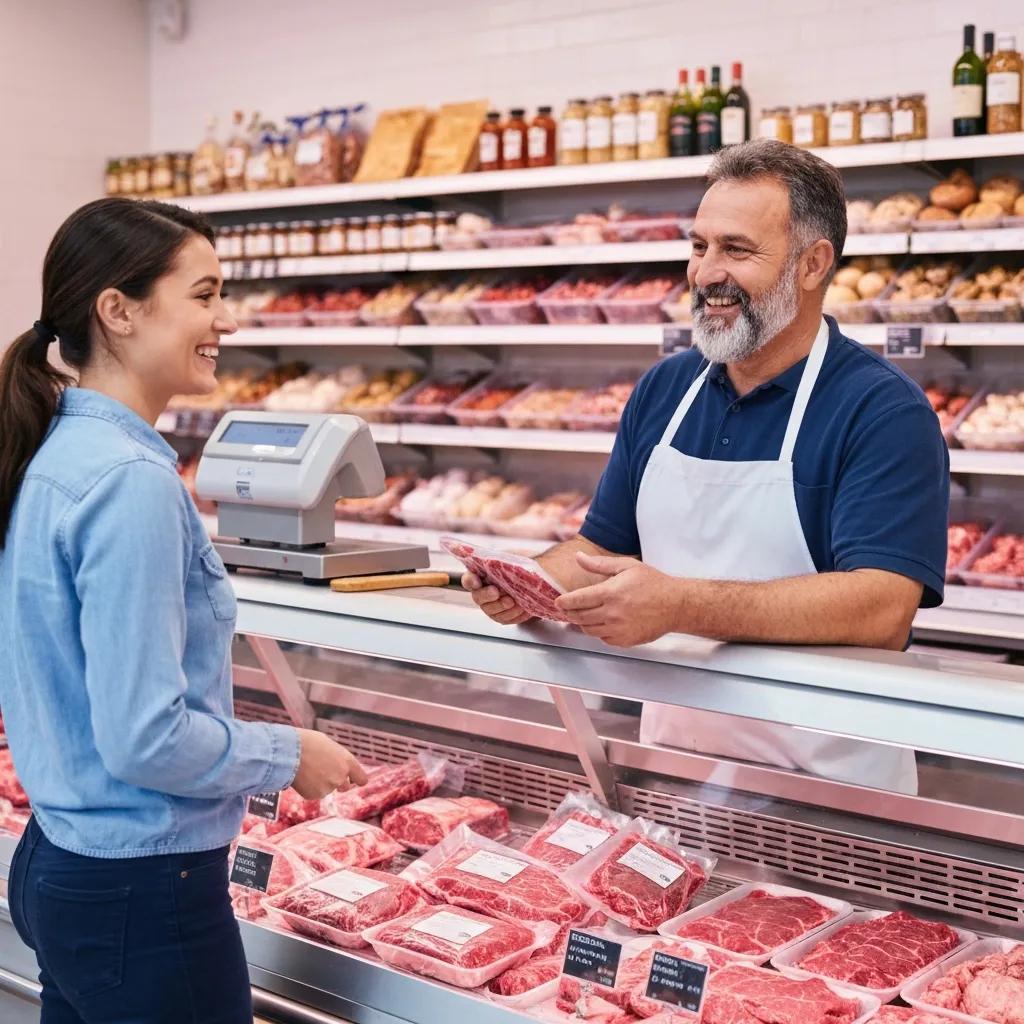
Ordering and receiving a half cow usually starts with a pre‑order or deposit to reserve an animal or production slot, confirmation of your processing preferences, and coordination for frozen delivery or scheduled pickup. Frozen shipments require insulated packaging and rapid transit, so plan freezer space ahead of arrival to accept vacuum‑sealed boxes immediately. Payment terms, processing timelines and cancellation policies vary by provider, so clarify those details before you order. Clear communication with the seller or processor about cut preferences and timing sets expectations and makes pickup or delivery smoother.
What Is the Pre‑Order and Shipping Process for Bulk Beef?
Pre‑ordering often secures a specific production batch and includes a stated shipping window — for example, the referenced premium half‑cow product lists a pre‑order shipping date of December 8, 2025, which shows how providers announce fulfillment windows for frozen shipments. Shipping frozen beef typically involves flash‑freezing or shipping from frozen in insulated containers with dry ice or gel packs to maintain temperature; carriers may require a signature or careful scheduling to avoid thawing. Be ready to move product into a chest or upright freezer immediately and verify whether shipping costs are included or billed separately. Tracking, delivery notifications and inspecting package integrity on arrival are important to confirm quality and quantities.
- Place deposit or full payment and select processing preferences if required.
- Confirm the pre‑order window and shipping date so you can plan freezer acceptance.
- Receive frozen shipment in insulated packaging and transfer to freezer right away.
- Check labels and quantities and report any issues within the provider’s stated window.
Bottom line: a planned pre‑order, clear processing instructions and readiness to accept frozen delivery ensure your half cow arrives frozen, labeled and ready for storage.
Can You Customize Your Half Cow Cuts?
Yes — many processors allow reasonable customization, such as bone‑in versus boneless roasts, steak thickness and the ratio of steaks to ground beef — though limits exist based on butchery capabilities and standard processing fees. Requests for extra grind, thicker steaks or specialty cuts usually require advance notice and may carry small additional charges, so specify preferences when you place your order. Not all offerings permit unlimited customization; discussing options and costs during the pre‑order phase sets clear expectations. Put your requests in writing and confirm the final cut sheet before processing to avoid misunderstandings at pickup or delivery.
How Should You Store and Prepare Meat from a Half Cow?
Storing and preparing meat from a half cow is about organizing freezer space, preserving quality with vacuum sealing, and matching cooking methods to each cut to get the best flavor and tenderness. Plan freezer cubic footage and use a rotation system to avoid overcrowding and freezer burn. Portioning into meal‑sized packs and labeling speeds weeknight prep. Know the recommended cooking approaches — high‑heat for steaks, low‑and‑slow for roasts and tougher muscles, and simple recipes for ground beef — and follow safe thawing and reheating practices to keep food safe and tasty for months.
How Much Freezer Space Is Needed for Half a Cow?
As a rule of thumb, plan on roughly nine cubic feet of dedicated freezer space for a half cow; that generally accommodates vacuum‑sealed boxes while allowing some air circulation and organized stacking. Packaging density varies — compact vacuum packs use space efficiently while bulky bone‑in roasts need more room — so plan for slightly more than the minimum to stay flexible. Organize by cut type and date, placing frequently used items near the front to reduce unnecessary thawing. Measuring your freezer and mapping expected box sizes before delivery ensures you can accept the shipment without last‑minute rearranging.
- Freezer organization tips before receiving a half cow: Clear and designate a 9+ cubic foot area and measure shelf heights for stacking boxes. Label packs with cut, weight and date to simplify retrieval. Group similar cuts together to streamline meal planning and thawing. Keep a simple inventory list (paper or digital) to track contents and avoid waste.
Summary: Reserving about nine cubic feet and organizing by cut type keeps your half‑cow share accessible and reduces handling time during weekly meal planning.
What Are the Best Cooking Methods for Different Beef Cuts?
Match cooking methods to cut characteristics to preserve tenderness and boost flavor: well‑marbled cuts like ribeye and strip excel with high‑heat grilling or pan‑searing, while tougher roasts and chuck benefit from braising, slow roasting or smoking to break down connective tissue. Ground beef is quick and versatile for burgers, tacos and sauces, and lean roasts work well low‑and‑slow or sliced thin after roasting for sandwiches and stir‑fries. Simple temperature guidance — sear steaks over high heat and rest 5–10 minutes, slow‑cook roasts until fork‑tender — helps home cooks get consistent results. Pairing methods with each cut ensures you get the most from every portion.
What Are the Most Common Questions About Buying Half a Cow?
People often ask about household suitability, freezer logistics, customization, cost and ways to maximize value; short, practical answers help set realistic expectations before purchase. Addressing these concerns helps avoid common pitfalls like insufficient freezer space or misunderstandings about take‑home weight. Clear guidance on portioning, rotation and simple recipes reduces hesitation for first‑time bulk buyers. The following answers and decision points offer practical benchmarks to decide whether a half cow is right for your family.
Is Buying Half a Cow Suitable for Small Families?
A half cow can work well for small families if you eat beef regularly, have adequate freezer space and plan to portion and rotate meat sensibly. For a household of two to four that uses beef multiple times per week, a half cow often strikes a good balance between quantity and variety. Use per‑person consumption estimates (for example, 2–3 pounds per week per household) to model how long the supply will last. If space is tight, consider sharing with another household or choosing a quarter share or mixed subscription. Weigh freezer capacity, meal frequency and upfront budget to decide if a half cow fits your needs.
How Do You Maximize the Benefits of Buying Bulk Beef?
Maximize value by portioning into meal‑sized packs, labeling with dates and cut names, and using a rotation plan that brings older packs to the front to minimize waste. Plan a few staple recipes that use similar cuts — for example, slow‑roasted chuck for soups, tacos and sandwiches — to use tougher cuts efficiently and reduce decision fatigue. Use freezer inventory tools, clear labeling and occasional family meal planning to keep consumption predictable. Thoughtful storage, simple recipes and rotation systems help your half‑cow investment deliver steady savings and culinary variety over many months.
Frequently Asked Questions
What Should You Consider Before Buying Half a Cow?
Before you commit, think about how often your household eats beef, whether you have enough freezer space and if the up‑front cost fits your budget. Consider your willingness to cook different cuts and try a few new recipes. Also weigh the potential long‑term savings against the initial investment. Answering these questions will help you decide if buying in bulk fits your family’s lifestyle.
How Do You Ensure Quality When Buying Bulk Beef?
Choose reputable suppliers who are transparent about animal welfare and farming practices. Look for clear information about grass‑fed or other production methods, read reviews and ask for recommendations. Ask about processing methods since proper butchering and packaging are essential for shelf life and quality. Finally, inspect the meat on delivery to confirm it meets your expectations.
What Are the Best Practices for Thawing Meat from a Half Cow?
For safety and best texture, thaw meat in the refrigerator, allowing roughly 24 hours for most packages. For faster thawing, use the cold‑water method: keep the meat in a sealed waterproof bag and submerge in cold water, changing the water every 30 minutes. Avoid thawing at room temperature, which can encourage bacterial growth.
Can You Share a Half Cow with Another Family?
Yes — sharing a half cow is a smart option for smaller households or limited freezer space. Splitting costs and storage makes bulk buying more accessible while preserving variety. Communicate cut and portion preferences up front and agree on payment, pickup and storage arrangements to keep things smooth.
What Are Some Meal Ideas for Using Bulk Beef?
Bulk beef unlocks many meal options: grill steaks for quick dinners, make burgers and meatballs from the ground beef, and slow‑roast chuck or brisket for family gatherings. Use tougher cuts in soups, stews and braises to develop deep flavor. Planning meals around your available cuts helps you maximize value and reduce waste.
How Can You Track Inventory of Your Freezer Stock?
Start with a simple inventory: note cut, weight and date on a paper list or use a digital app. Update the list as you use packs and organize the freezer by cut type or meal plan so items are easy to find. Regularly reviewing your inventory prevents forgotten packs and minimizes waste.
Conclusion
Buying half a cow is a cost‑effective way for families to enjoy a variety of premium grass‑fed beef cuts while controlling provenance and quality. Understanding logistics — from take‑home weight to freezer space and cooking methods — helps you make an informed choice that fits your household. With a little planning and simple organization, a half‑cow share can deliver months of reliable, flavorful meals and meaningful savings. Explore your options and take the next step toward a more practical and rewarding meat supply.