
Discover the Nutritional Benefits of 14 Beef Options
Buy Half Beef and Quarter Beef for Sale: A Practical Guide to Bulk Corriente Beef Delivery
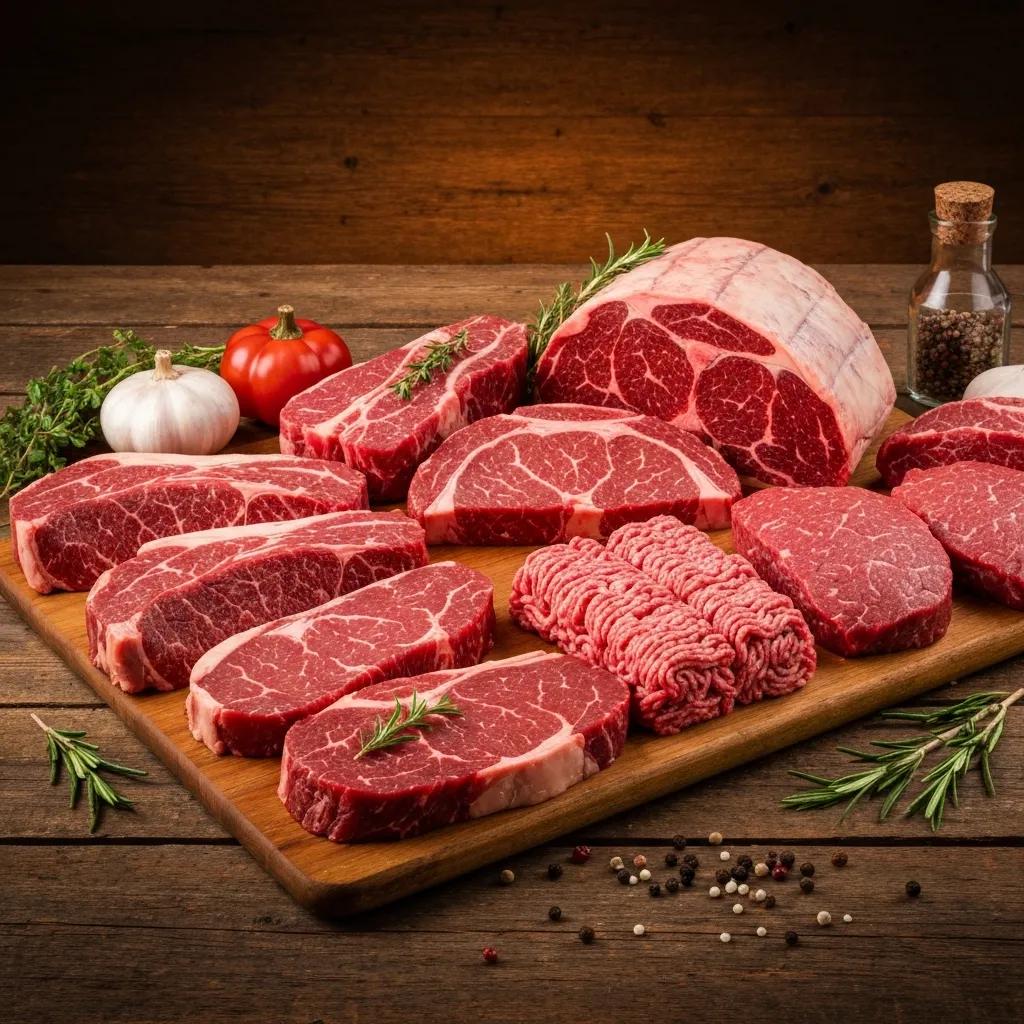
Buying a half or quarter of beef is a smart way to lock in consistent, high-quality meat, lower your cost per pound, and simplify meal planning for months. This guide walks you through what bulk Corriente beef is, why the Corriente breed tastes and cooks differently, and how regenerative ranching and finishing practices shape flavor and nutrition. You’ll find clear expectations for how much meat a half or quarter share delivers, which cuts are included, and straightforward freezer and portioning tips to make a bulk purchase easy to manage. We also compare grass‑fed Corriente beef to conventional retail options on nutrition and cost, explain the quality assurances to look for from a supplier, and answer common customer questions so you can decide whether a bulk Corriente share fits your household and kitchen goals.
What Is Bulk Corriente Beef and Why Choose It?
“Bulk Corriente beef” means buying large shares—most often half beef shares or quarter shares—direct from producers who work with Corriente cattle. That model combines whole‑animal economics with breed‑specific traits: Corriente are a heritage breed noted for leaner muscle and concentrated beef flavor, which gives a different eating profile than commodity beef. Buying a share cuts out many middlemen, delivers a steady supply for meal planning, and supports ranching systems that prioritize landscape health. Knowing the breed and the bulk model helps you match taste preferences, freezer space, and your food budget before you commit to a half or quarter share.
What Makes Corriente Beef Unique Compared to Other Breeds?
Corriente beef tends to be leaner and more flavor‑forward than common breeds like Angus or highly marbled breeds such as Wagyu. That leaner build affects texture and how the meat behaves during cooking. Corriente’s background as a hardy, drought‑adapted breed influences muscle development and fat distribution, producing steaks that sear with concentrated beef flavor rather than the heavy intramuscular fat you’d find in highly marbled animals.
By contrast, Wagyu emphasizes rich, buttery marbling and a melt‑in‑your‑mouth texture. Corriente delivers a firmer bite and bolder flavor that shines with dry‑heat methods and a careful rest. When you substitute Corriente for other beef, you’ll often adjust temperatures and cooking times to get the best result.
How Do Regenerative Ranching Practices Enhance Corriente Beef Quality?
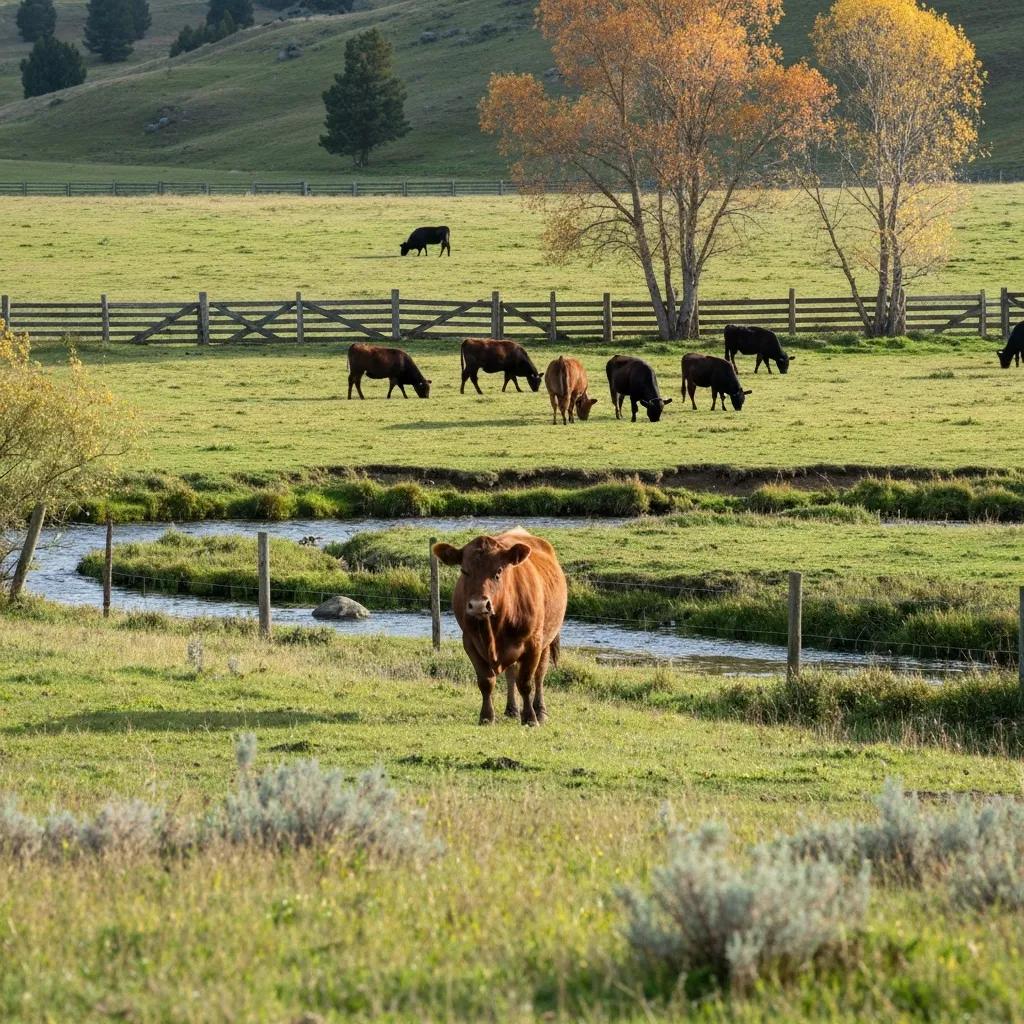
Regenerative ranching—things like rotational grazing, encouraging diverse native forages, and caring for soil health—affects both animal welfare and the final meat. Moving animals across pastures and building varied forage mixes supports a more natural diet and lowers stress, which can lead to steadier growth and natural maturation. Those practices also offer ecosystem benefits—improved carbon storage, better water retention, and richer biodiversity—so regenerative sourcing is often a practical choice for environmentally focused buyers. Understanding how ranch practices translate to meat quality helps you prioritize farms that put landscape and animal health first.
Research into regenerative ranching highlights the complex interplay between ecological goals and animal welfare.
Human-Animal Relationships in Regenerative Ranching: Implications for Animal Welfare
This research examined how regenerative ranching shapes relationships between people and animals, using interviews and observation across operations in the U.S. Pacific Northwest. Ranchers described values of care and low‑stress handling, but researchers also found tensions between those values and ingrained practices—things like routine branding or other procedures that can cause stress. Institutional rules, market pressures, and cultural norms sometimes limit the adoption of welfare‑focused changes. The study suggests regenerative ranching has real potential to strengthen animal welfare if values are made explicit in decision making, if policy barriers are addressed, and if ranchers engage with wider community and Indigenous perspectives to align ethical, ecological, and economic goals.
Human-animal relations in regenerative ranching: implications for animal welfare, M Hargreaves-Méndez, 2025
How Much Meat Do You Get When You Buy Half or Quarter Beef?
A half beef share typically yields substantial take‑home weight after processing. It helps to know the difference between hanging weight and take‑home weight: hanging weight is the carcass before cutting and trimming, while take‑home weight is what you actually receive after bones, extra fat, and trim are removed. The difference commonly ranges from 40–50% depending on finish and processor choices. Practically speaking, a half beef often delivers about 120–200 pounds of packaged meat to your freezer, while a quarter share usually yields roughly 40–110 pounds depending on animal size and cut preferences. These ranges let households estimate weekly meal coverage and freezer needs more accurately.
What Cuts Are Included in a Capital Farms Half Beef Share?
A standard half beef share includes a full set of primal and subprimal cuts—steaks, roasts, short ribs, ground beef, and bones or organs where offered—and packages are typically vacuum‑sealed for freezer stability.
For example, Capital Farms’ "1/2 of Premium Corriente Beef" is listed with a take‑home weight of 158.5 pounds and arrives vacuum‑sealed with a mix of steaks and roasts.
Common cuts in a half share include ribeye and New York strip for grilling, tenderloin or filet for special meals, chuck roasts and brisket for slow cooking, short ribs and soup bones for braises and stocks, plus ground beef and sausage for everyday cooking.
Intro to the cut breakdown table: Below is a practical mapping of typical half‑share cuts to approximate take‑home weights and counts to help with meal and freezer planning.
| Cut | Typical Take-Home Weight (Approx.) | Typical Count / Notes |
|---|---|---|
| Ribeye / Prime Steaks | 12–18 lbs | 6–12 steaks depending on thickness |
| New York Strip | 8–14 lbs | 6–10 steaks, ideal for grilling |
| Tenderloin / Filet | 6–10 lbs | Fewer steaks; premium value per pound |
| Chuck Roasts / Brisket | 25–35 lbs | Several roasts for braising and slow cooking |
| Short Ribs / Bones | 8–16 lbs | Great for braises and making stock |
| Ground Beef & Sausage | 40–60 lbs | Packaged in meal‑sized portions |
This cut table gives a quick, practical view of where most of the take‑home weight shows up and how portions translate into everyday meals.
How to Compare Half Beef vs. Quarter Beef for Your Needs?
Choosing a half versus a quarter share depends on household size, how often you cook beef, available freezer space, and your budget. A half share fits families or households that cook beef frequently and want a wider variety of cuts over many months. A quarter share is a good option for smaller households or for customers who want to try a breed or supplier without a large upfront cost. Larger shares usually produce a lower cost per pound because fixed processing and distribution costs spread across more meat, but remember to factor in portioning time and immediate freezer space. Compare total upfront cost and the per‑pound price against your expected weekly consumption to pick the share that suits your meal plan and storage constraints.
What Are the Benefits of Buying Bulk Grass-Fed Freezer Beef?
Buying bulk grass‑fed freezer beef brings several advantages: better per‑pound value, a predictable supply, and the option to choose animals raised under specific welfare and environmental practices. Purchasing in bulk cuts retail markups because you buy direct from producers or through share programs, and receiving pre‑portioned, vacuum‑sealed packages saves cooking time and reduces food waste. Nutritionally, grass‑fed Corriente beef is typically leaner and has a different fatty‑acid profile than grain‑fed beef, and choosing regenerative‑sourced meat can match a buyer’s sustainability priorities. Put together, these benefits make bulk purchases attractive for households focused on cost control, culinary variety, and lowering their food system footprint.
The comparison table below lays out key differences between grass‑fed Corriente and conventional retail beef across nutrition, cost, and sustainability to help you weigh trade‑offs.
| Beef Type | Nutritional / Cost Attribute | Comparison Metric |
|---|---|---|
| Grass-fed Corriente | Leaner fat profile and concentrated beef flavor | Typically leaner with distinct beef character |
| Conventional Retail Beef | Higher intramuscular marbling in some cuts | Often richer in fat and less transparent in sourcing |
| Bulk Share Purchase | Lower retail markup and steadier supply | Better per‑pound value when purchased as a larger share |
Bulk buying can also include supplier‑specific practices that combine breed traits with finishing protocols. For example, Capital Farms lists a half share product—"1/2 of Premium Corriente Beef"—priced at $2,199.00 and available for pre‑order with scheduled shipping in December 2025. Showing this real offering demonstrates how the ideas above translate into an actual purchase: breed‑specific, regenerative‑sourced cuts, a clear take‑home weight, and a satisfaction guarantee to reduce purchase friction. That concrete example helps move readers from concept to action while keeping the focus on bulk grass‑fed beef benefits.
How Does Bulk Buying Save Money Compared to Retail Beef?
Bulk pricing lowers per‑pound cost because processing, packaging, and delivery expenses are spread across more pounds, and direct‑to‑consumer sales cut many retail margins. To compare, divide the total cost of a half share by the advertised take‑home pounds to get a per‑pound figure you can match against local retail prices. Bulk purchases also reduce shopping frequency and impulse buys, helping stabilize grocery budgets. Knowing how fixed costs are amortized, how middlemen margins disappear, and how supply becomes predictable lets you calculate real savings when comparing a share price to retail beef.
What Are the Nutritional Advantages of Grass-Fed Corriente Beef?
Grass‑fed Corriente beef tends to be leaner and can offer a different balance of fatty acids and fat‑soluble nutrients compared with grain‑finished commodity beef. Studies and nutrient analyses often show grass‑fed beef contains higher relative levels of certain omega‑3 fatty acids and conjugated linoleic acids, though exact values depend on pasture composition and finishing length. Corriente’s leaner frame concentrates beef flavor, which can make smaller portions feel satisfying. For shoppers, these nutritional differences are one factor to weigh alongside taste and cooking preferences when choosing a breed‑specific bulk purchase.
How to Store and Manage Your Bulk Beef Purchase?
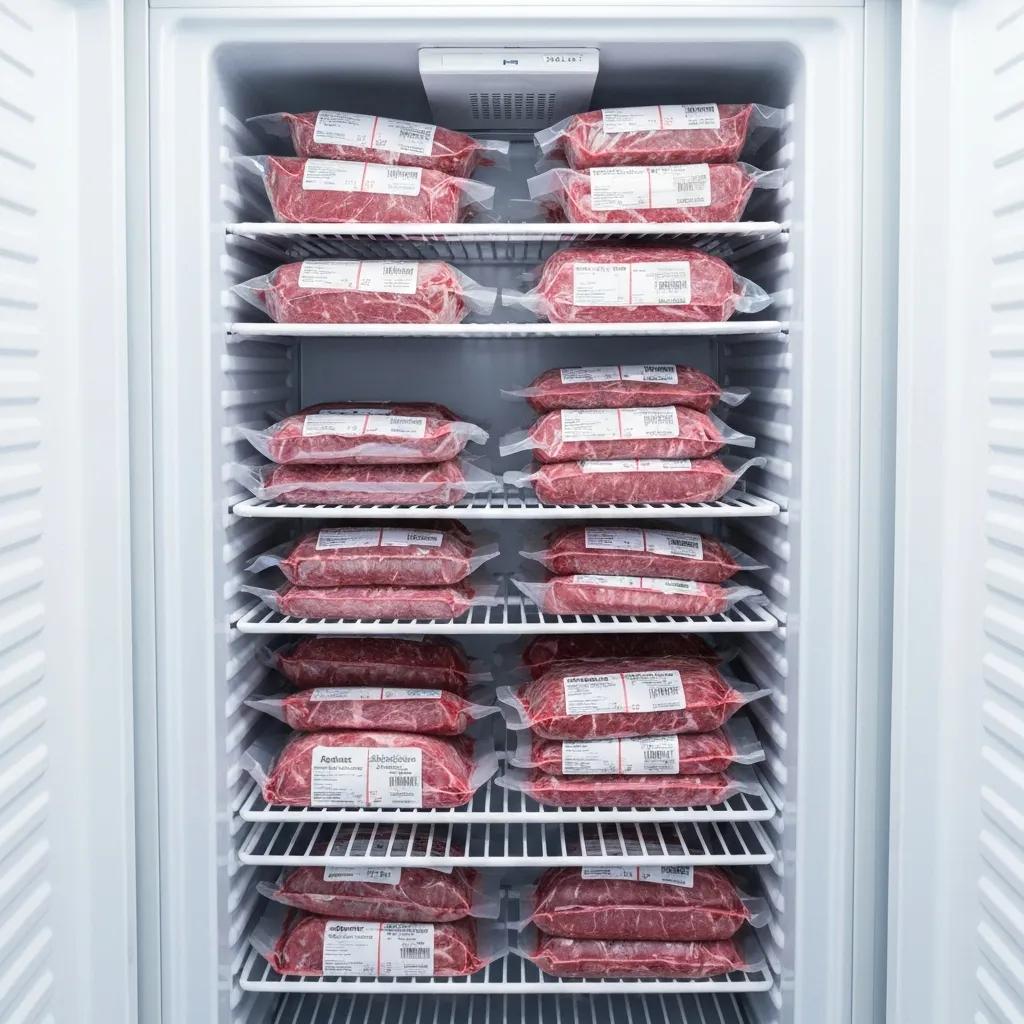
Managing bulk beef is mostly about planning freezer space, sensible portioning, and storage routines that preserve quality and simplify weeknight cooking. A useful planning rule is cubic feet per take‑home weight: for many half‑beef examples near 150–160 pounds, reserve about 8–12 cubic feet of chest or upright freezer space when packs are vacuum‑sealed and stacked efficiently. Clear labeling, meal‑sized portions, and a FIFO rotation system help avoid waste and keep your freezer organized for months after delivery. These simple steps—from measuring space to labeling and thawing—turn the theoretical benefits of buying in bulk into reliable everyday meals.
How Much Freezer Space Is Needed for a Half Cow?
A good rule of thumb is that 1 cubic foot of freezer space holds roughly 35–40 pounds of vacuum‑packed meat when stacked efficiently. Using the 158.5‑pound take‑home example, you’d need about 4–5 cubic feet by raw packing math; conservative planning often raises that to about 9 cubic feet to allow for irregular packaging and airflow. Measure your freezer’s internal dimensions (length × width × height in feet) to check capacity before you buy. Organizing by cut and portion size helps maximize usable space while keeping airflow for consistent freezing temperatures.
Intro to storage table: The table below matches common storage items and configurations to recommended volumes and packaging tips so you can align your freezer setup with a bulk beef share.
| Storage Item | Required Volume / Configuration | Value / Packaging Tips |
|---|---|---|
| Vacuum-Sealed Packs | 0.1–0.3 cu ft per meal pack | Lay flat to stack; label cut and date |
| Bulk Roasts | 1.0–2.0 cu ft each | Store upright when possible to save space |
| Ground Beef Packs | 0.05–0.12 cu ft per pound | Portion into meal‑sized packets for quick use |
| Bones & Stocks | 0.2–0.6 cu ft total | Freeze in rigid containers or heavy‑duty bags |
What Are the Best Practices for Freezer Storage and Meat Preservation?
Vacuum sealing is the most effective home practice for long‑term freezer storage because it removes air, reduces freezer burn, and lets you stack packages tightly. Label each package with the cut, weight, and packing date, and use a FIFO system so older packs get used first. Portion into meal‑sized packs to cut thaw time and avoid refreezing large items; group similar cuts together for quick meal planning. For safe thawing: plan ahead and thaw overnight in the refrigerator for large cuts, or use the cold‑water method for smaller packages—never thaw at room temperature. Cook thawed beef promptly for food safety and best texture.
How Does Capital Farms Ensure Quality and Transparency in Bulk Beef Delivery?
Capital Farms frames its product around breed‑specific sourcing, regenerative ranching, and clear processing claims so buyers know what to expect. The producer highlights attributes like hormone‑free and grass‑fed status, a grain‑finished phase to balance tenderness and flavor, a natural maturation window listed at 48+ months, and a satisfaction guarantee to stand behind the product. These statements act as transparency signals: they explain feeding and maturation choices, state what’s avoided, and show how the supplier supports the final product. Knowing these claims helps customers ask focused verification questions and compare offerings across ranches and share programs.
What Is Capital Farms’ Commitment to Hormone-Free and mRNA-Free Beef?
Capital Farms lists “hormone‑free” and “mRNA‑free” among its product attributes to clarify what the company says defines its beef. For shoppers, “hormone‑free” means no growth‑promoting hormones were added; “mRNA‑free” is a product attribute the company includes for customer consideration. If verification matters to you, ask for labeling, certification details, or product documentation as part of your due diligence. These explicit claims help position the product for buyers who want ingredient and processing transparency.
Where Is Capital Farms’ Beef Sourced and How Is It Raised?
Capital Farms describes its sourcing as Arizona‑based with connections to Sierra Madre suppliers and emphasizes regenerative ranching methods in the region—practices like rotational grazing and biodiversity support that promote pasture health and animal well‑being. By naming region and ranching approaches, Capital Farms gives provenance signals buyers can use to evaluate how on‑farm choices may affect flavor, nutrition, and environmental impact. Those details help you compare suppliers based on regional practices and transparency.
What Do Customers Say About Buying Bulk Corriente Beef from Capital Farms?
Customers who buy bulk Corriente beef typically ask practical questions up front: which cuts arrive, when will delivery occur, how long will packages keep in the freezer, and what recourse exists if expectations aren’t met. Answering these concerns with clear cut lists, delivery windows, freezer planning guidance, and a satisfaction guarantee reduces purchase friction and builds confidence. Common review themes for responsibly raised Corriente beef emphasize flavor, packaging quality, and the predictability of the bulk model; when suppliers provide clear take‑home weights and vacuum‑sealed portions, buyers report easier meal planning and less waste. Summarizing these recurring points helps new customers anticipate the real‑world experience of a bulk purchase.
What Are Common Customer Questions About Bulk Beef Purchases?
Prospective buyers often ask about total take‑home weight, options for cut customization, freezer‑space needs, delivery timing, and refund or satisfaction policies—questions that directly affect the decision to pre‑order. Clear, numeric answers that list included cuts, describe packaging, and state shipping windows make it easier to compare suppliers and plan storage. Buyers also frequently ask about finishing and feeding methods because those details shape cooking approaches and expected flavor. Providing concise answers and a contact path for custom requests reduces friction and sets realistic expectations.
How Do Customer Testimonials Reflect Satisfaction with Capital Farms’ Beef?
Satisfied customers commonly call out consistent cut quality, dependable vacuum packaging for long‑term freezing, and clear communication about delivery and weights—elements that point to operational transparency. Testimonials often highlight flavor and cooking performance for breed‑specific beef, and many buyers value the convenience of pre‑portioned packs. Capital Farms’ satisfaction guarantee adds another layer of reassurance for buyers considering a pre‑order, reinforcing confidence in product quality and lowering perceived risk. These recurring signals help new customers move from research to purchase with more certainty.
Frequently Asked Questions
What is the best way to cook Corriente beef for optimal flavor?
For the best flavor, use dry‑heat methods—grilling, broiling, or roasting—so Corriente’s concentrated beef character can shine. Because the meat is leaner, aim for medium to medium‑high heat so you develop a good sear without overcooking. Rest the meat after cooking to let juices redistribute. For cuts like ribeye or New York strip, a quick, hot sear followed by a short rest will bring out the best texture and flavor.
How can I ensure the quality of the beef I purchase?
Look for suppliers that share clear sourcing and processing information. Check for claims like grass‑fed or hormone‑free and ask about ranching practices such as regenerative methods. Read customer reviews and ask the seller for labeling or certification if verification is important. Suppliers that offer a satisfaction guarantee are also signaling confidence in their product quality.
What are the environmental benefits of choosing bulk Corriente beef?
Choosing bulk Corriente beef from regenerative operations supports practices that prioritize soil health and biodiversity. Rotational grazing and other regenerative methods can improve soil carbon sequestration, enhance water retention, and promote ecosystem resilience. Buying in bulk also reduces per‑unit packaging and transport emissions compared with frequent retail trips, which can lower your overall footprint.
How do I thaw frozen beef safely?
The safest method is to plan ahead and thaw in the refrigerator overnight, which preserves texture and prevents bacterial growth. For faster thawing, keep the beef in a sealed bag and submerge it in cold water, changing the water every 30 minutes. Don’t thaw meat at room temperature. Always cook thawed beef promptly to ensure food safety.
Can I customize my beef cuts when purchasing a share?
Many suppliers allow some level of cut customization. Check the specific supplier’s policy—some offer a standard cut list, while others will work with you to adjust certain cuts based on your cooking habits. Communicate preferences early so the processor can accommodate your requests where possible.
What should I consider when planning freezer space for bulk beef?
Consider total take‑home weight and packaging type. As a rule of thumb, 1 cubic foot of freezer space holds about 35–40 pounds of vacuum‑sealed meat. For a half share you may need roughly 8–12 cubic feet. Also plan how you’ll organize cuts for easy access and airflow, and label packages with dates and contents to manage inventory effectively.
What are the potential drawbacks of buying bulk beef?
Potential downsides include the upfront cost, which can be higher than buying smaller amounts at retail, and the need for sufficient freezer space. You’ll also need to commit time to portioning and organizing the meat, and some buyers may be unfamiliar with the full range of cuts included. Weigh these factors against the cost savings and convenience of having a steady supply of high‑quality beef.
Conclusion
Buying bulk Corriente beef can deliver real value: cost savings, a steady supply of high‑quality meat, and support for regenerative ranching. Choosing a half or quarter share gives you a range of cuts for everyday cooking and special occasions while helping you plan meals more predictably. If you care about environmental stewardship and animal‑centered ranching practices, a breed‑specific bulk purchase can align with those priorities. Explore our offerings to see how premium, regenerative beef can become a reliable part of your kitchen.