
Buying Shares in Premium Beef: Grass-Fed vs Grain-Finished
Buying Shares in Premium Beef: Grass-Fed vs Grain-Finished
By Capital Farms Meats & Provisions Editorial Team · Updated 2026-07-28
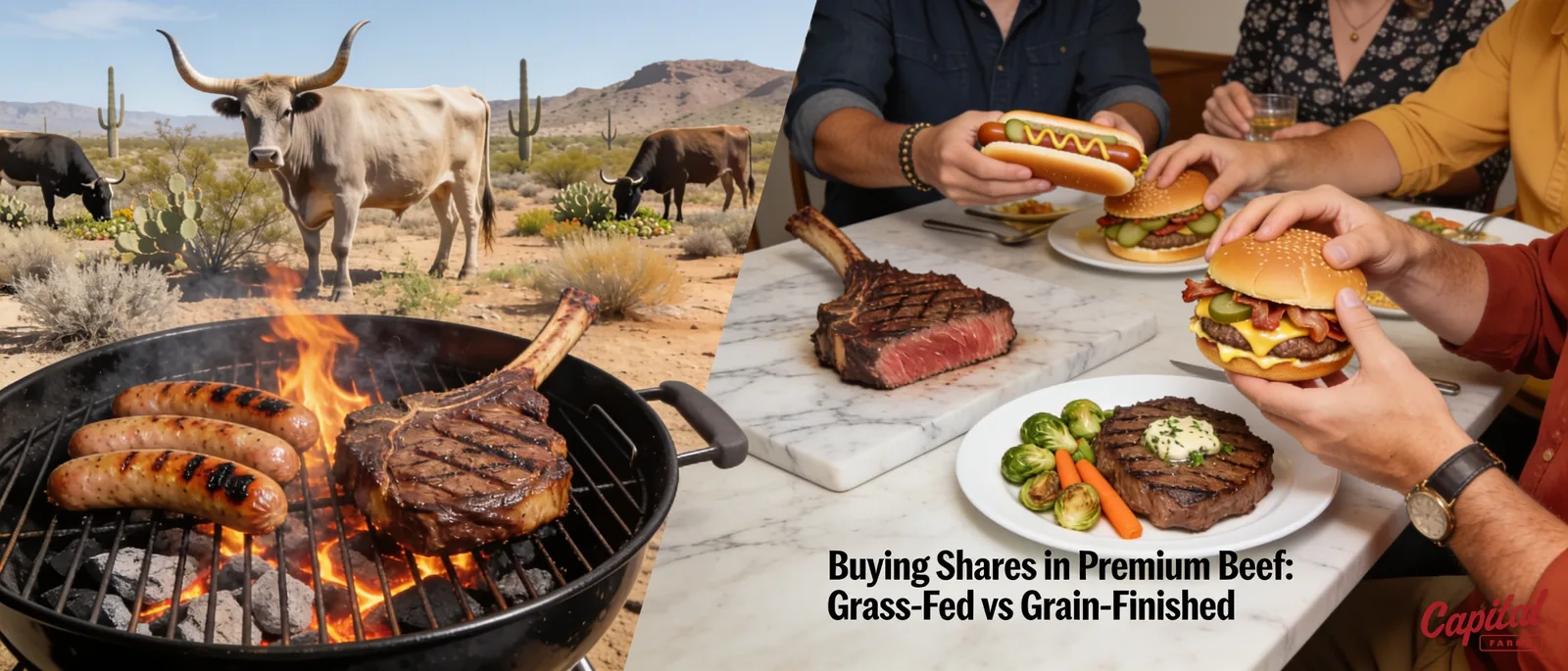
Corriente beef from Capital Farms Meats & Provisions offers a leaner, grass-fed profile that many buyers prefer for beef shares over grain-finished options. With NY Strip Steak starting at $23.00. Free shipping on orders over $250 to 13 states, grass-fed Corriente beef delivers superior value and flavor.
Diet quality matters most: both grass-fed and grain-finished cattle nurse and graze until weaning at 6-9 months, then diverge. For a beef share, choose based on fat flavor preference and value—Capital Farms' Corriente NY Strip starts at $23.00, offering premium quality regardless of finishing method.
Beef shares combining grass-fed rearing with grain finishing offer families richer flavor and consistent marbling than pure grass-fed cuts. Capital Farms raises Corriente cattle on Wickenburg, AZ rangelands for two years, then grain-finishes them 240 days at Red Rock Feeding, producing tender, hormone-free beef ideal for buying in bulk.
Key Takeaways
- Grass-finished beef comes from cattle raised entirely on pasture; grain-finished beef includes grain supplementation before processing.
- Capital Farms Meats & Provisions offers premium Corriente beef NY Strip Steaks starting at $23.00 per steak.
- Grass-fed beef typically contains higher omega-3 fatty acids and lower overall fat content than grain-finished beef.
- Grain-finished beef produces more marbling and tenderness through concentrated feed during the final finishing period before slaughter.
What Makes Grass-Fed and Grain-Finished Beef Different?
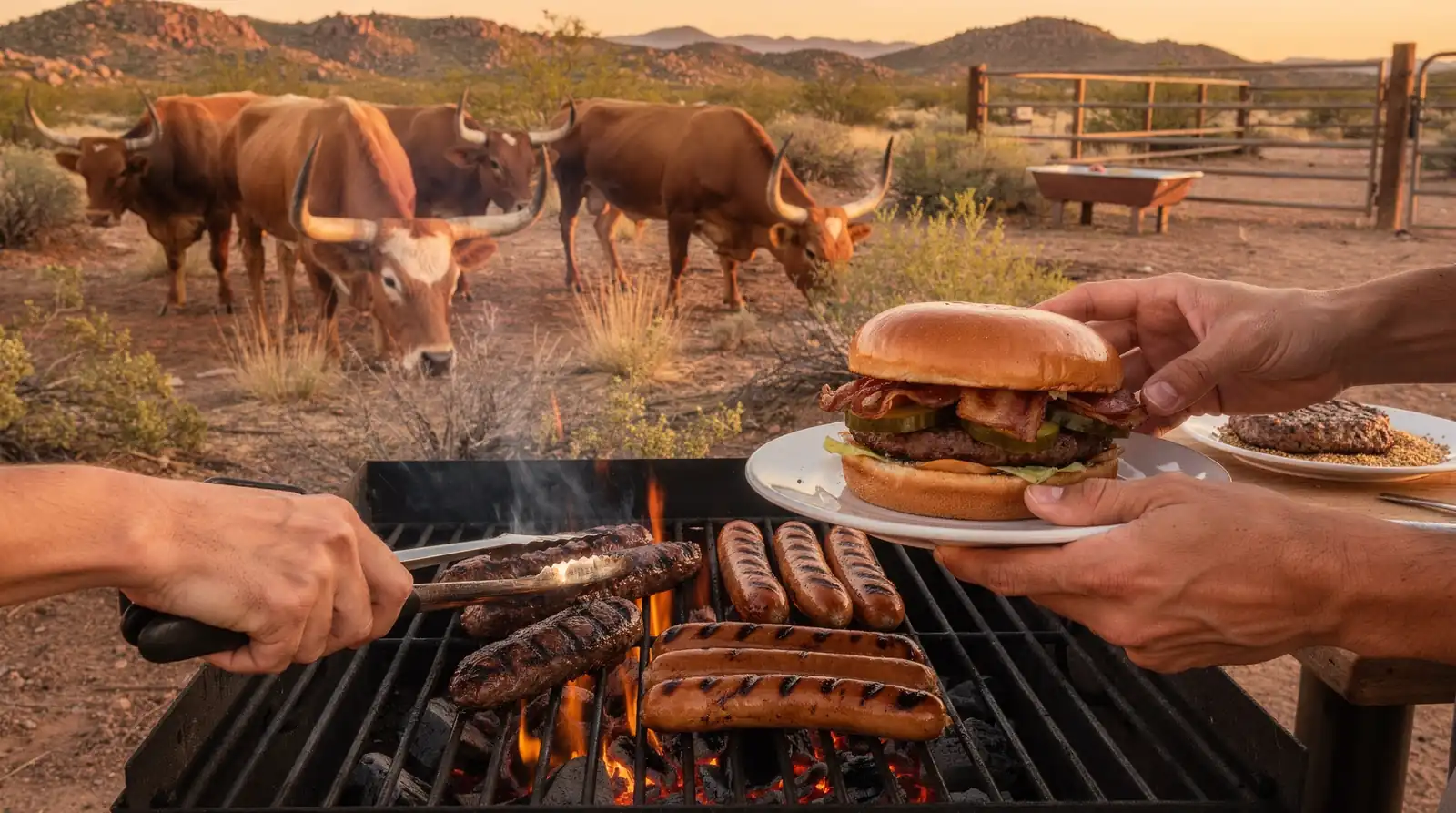
Two distinct feeding stages separate Capital Farms beef from typical supermarket cuts. Cattle spend two years grazing open rangeland near Wickenburg, Arizona, eating native desert plants without irrigation or added fertilizer. That extended, natural grazing period builds a foundation families rarely find when buying shares in premium beef from conventional sources, since most commercial cattle never see desert pasture at all.
The process then shifts to grain finishing. Cattle move to Red Rock Feeding, where a grain-based diet runs for 240 days to build tenderness and flavor. Overall, the finishing window averages roughly 200 days on grain — long enough to develop marbling without relying on shortcuts.
The two-stage feeding process:
- Two years on desert rangeland near Wickenburg, AZ
- No artificial irrigation or fertilizer during grazing
- Approximately 200 days of grain finishing at Red Rock Feeding
- No hormones used at any stage
Why does grain-finishing matter for flavor?
Grain finishing gives the cattle time to develop richer marbling and a more tender bite. Instead of chemical shortcuts, nature, quality grain, and time do the work.
Does Capital Farms use hormones to speed growth?
No. Growth happens on its own schedule, guided by grazing time, grain quality, and patience rather than added hormones.
How Does Finishing Method Affect Flavor and Texture?
Finishing method determines how much marbling develops and how tender the final cut becomes. Cattle raised on grass alone finish leaner, while grain-finished cattle typically build richer fat content throughout the muscle. Industry experts agree that understanding tenderness and flavor differences starts with examining how an animal is raised. Finished before processing, not simply what label appears on the package.
Corriente cattle at Capital Farms follow neither the fast track nor the standard timeline. Most beef cattle reach harvest at roughly 18 months old. Corriente cattle wait until 48 months or older, nearly triple that age, before reaching the table. That extended maturation period changes everything about the eating experience.
Why does age at harvest matter for beef quality?
Additional months on pasture and grain allow marbling to develop naturally throughout the muscle. Corriente beef reaches a marbling level that rivals graded standards like Choice or Prime, without shortcuts. Families buying shares in premium beef gain access to that extended-maturity advantage in every cut, from roasts to ground beef.
What does slow-finished beef taste like compared to typical beef?
Deep, rich flavor sets slow-finished beef apart from meat harvested young. Texture turns buttery and tender rather than merely soft. Home cooks notice the difference immediately: this is not the beef found at a standard grocery counter.
What Should You Know Before Buying a Beef Share?
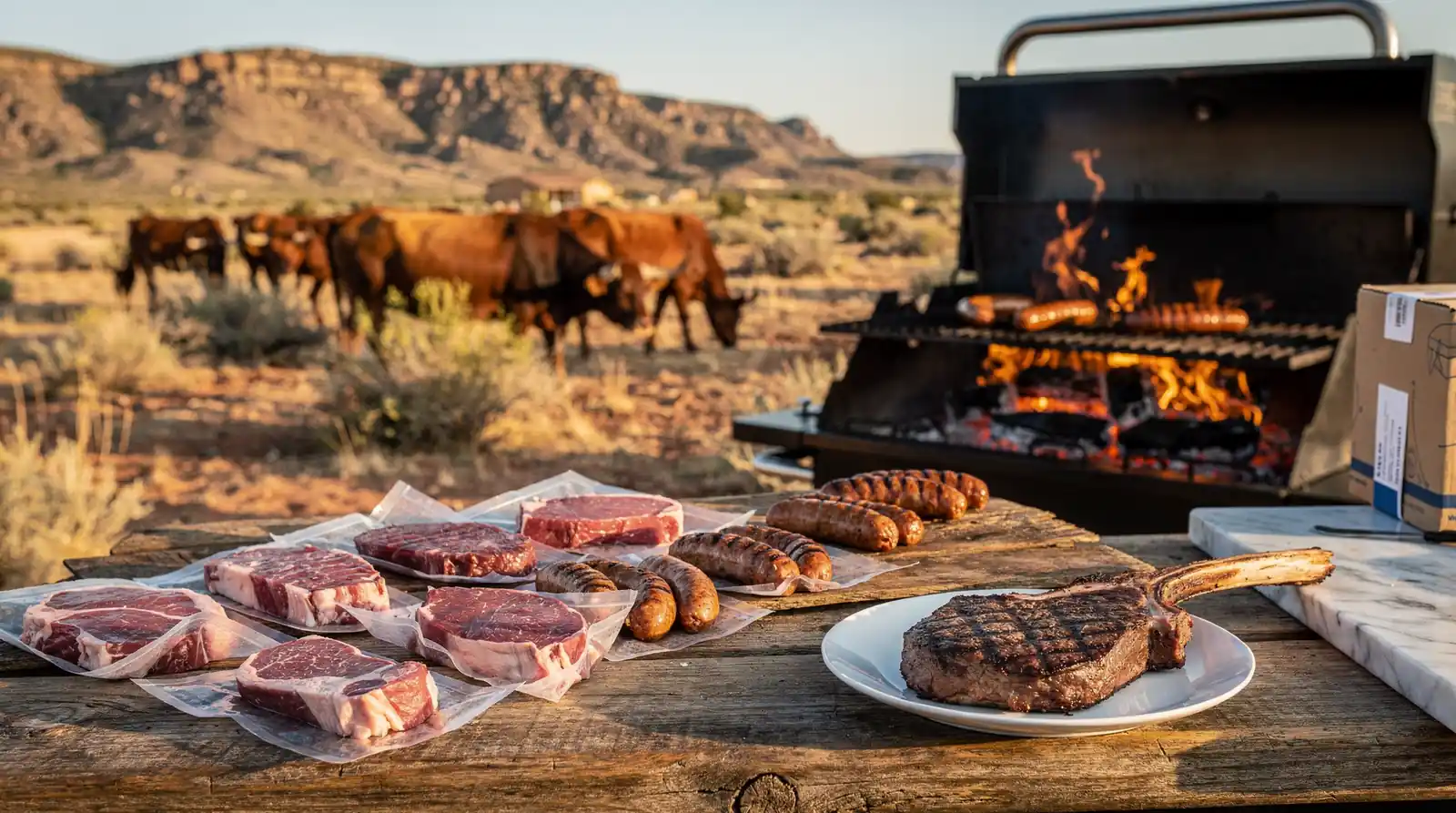
Cost comparison across cuts answers the biggest question families ask before committing to a bulk order. Buying shares in premium beef rewards families who study individual cut pricing first. A full share bundles many different steaks into one purchase.
Capital Farms prices its steaks individually, which gives families a clear benchmark:
| Cut | Starting Price |
|---|---|
| Teres Major | $14.00 |
| Sirloin | $22.00 |
| NY Strip | $23.00 |
| Ribeye | $31.00 |
| Filet Mignon | $53.00 |
How much does shipping cost on a bulk beef order?
Orders over $250 ship free to a defined group of states, including Arizona, California, Nevada, Utah, New Mexico, Oregon, Colorado, Oklahoma, Texas, Idaho, Kansas, Montana, and Wyoming. Families outside that shipping zone should check delivery terms before placing a large order. Freight costs on frozen beef add up quickly.
Is buying a beef share worth the risk?
Reviews offer real reassurance here. Capital Farms holds a 4.9-star average across 3,400 customer reviews, a strong signal for anyone hesitant to fill a freezer sight unseen. Every product also passes testing for tenderness and flavor, from the ranch through packaging. Purchases carry a satisfaction guarantee, too — a replacement or full refund follows any order that falls short of expectations.
FAQ
What is the main difference between grass-fed and grain-finished beef?
Grass-finished cattle graze on pasture their entire lives. Grain-finished cattle nurse and graze until weaning, then move to a grain-based diet that builds marbling and tenderness before processing.
Does Capital Farms use hormones in raising their cattle?
No. Capital Farms' Corriente cattle grow on their own schedule, relying on grazing time, grain quality, and patience rather than hormones at any stage.
Which finishing method should I choose for a beef share?
Choose based on fat flavor preference. Value—Capital Farms combines grass-fed rearing with grain finishing, offering richer flavor and consistent marbling ideal for bulk buying.