
Beef Cuts Explained for Families: Choose Your Share
Beef Cuts Explained for Families: Choose Your Share

By Capital Farms Meats & Provisions Editorial Team · Updated 2026-07-28
Families choosing a beef share should match portion size to household needs: a quarter share suits 2-4 people. A half or whole share fits larger families. Capital Farms Meats & Provisions in Wickenburg, Arizona recommends pairing shares with premium Corriente cuts for quality assurance. Pricing varies by package, so families should contact Capital Farms directly for details.
Family beef shares depend on household size. Cooking habits: smaller families do well with individual cuts like Capital Farms' premium Corriente beef. Larger households benefit from bulk options; pricing varies by package, so families should contact Capital Farms directly for details.
Beef share size depends on freezer space, family size, and cut variety desired. Quarter shares suit small households wanting basics like ground beef and steaks. Halves and wholes provide broader cuts, including roasts and specialty items. Capital Farms' beef is grass-fed and 240-day grain-finished, and this program rewards larger shares with richer marbling and flavor.
Key Takeaways
- Capital Farms Meats & Provisions in Wickenburg, Arizona offers a range of premium Corriente beef cuts; pricing varies by package, so contact the brand directly for current details.
- Beef grading standards use trained specialists and instruments to establish consistent quality levels across different cuts.
- All cattle spend majority of their lives grazing pasture before finishing in various ways for flavor.
- Beef's versatility and size create multiple cooking options, from steaks to roasts for different family meals.
What Should Families Know Before Buying Bulk Beef?
Bulk beef purchases require families to understand feeding methods, grading, and shipping logistics before committing to a quarter, half, or whole cow. Capital Farms raises cattle on a grass-fed, 240-day grain-finished program, a combination that shapes both flavor and how much freezer space a family needs to plan for. This finishing timeline produces a richer taste than beef rushed through feedlots on shorter schedules.
Beef cuts explained for families starts with marbling, the streaks of fat that determine juiciness and tenderness. Corriente beef naturally carries marbling that rivals top-grade Choice or Prime beef, giving families a premium eating experience without paying premium-grade prices. That matters for parents comparing an inexpensive round steak against pricier cuts without knowing why the price gap exists.
Is the beef free of hormones and additives?
Every Capital Farms order is hormone free, grass fed, and grain finished. Families should confirm this baseline before buying a share from any producer, since practices vary widely.
Does shipping cost affect the total price of a bulk order?
Yes. Capital Farms offers free shipping on qualifying orders to a number of western states. Shipping thresholds and covered states can change. Families should confirm current details directly with Capital Farms before budgeting for a large order.
Before ordering, families should check:
- Feeding method and finishing timeline
- Marbling and expected grade equivalent
- Hormone and additive policies
- Shipping cost thresholds and covered states
How Do You Choose The Right Beef Share Size?
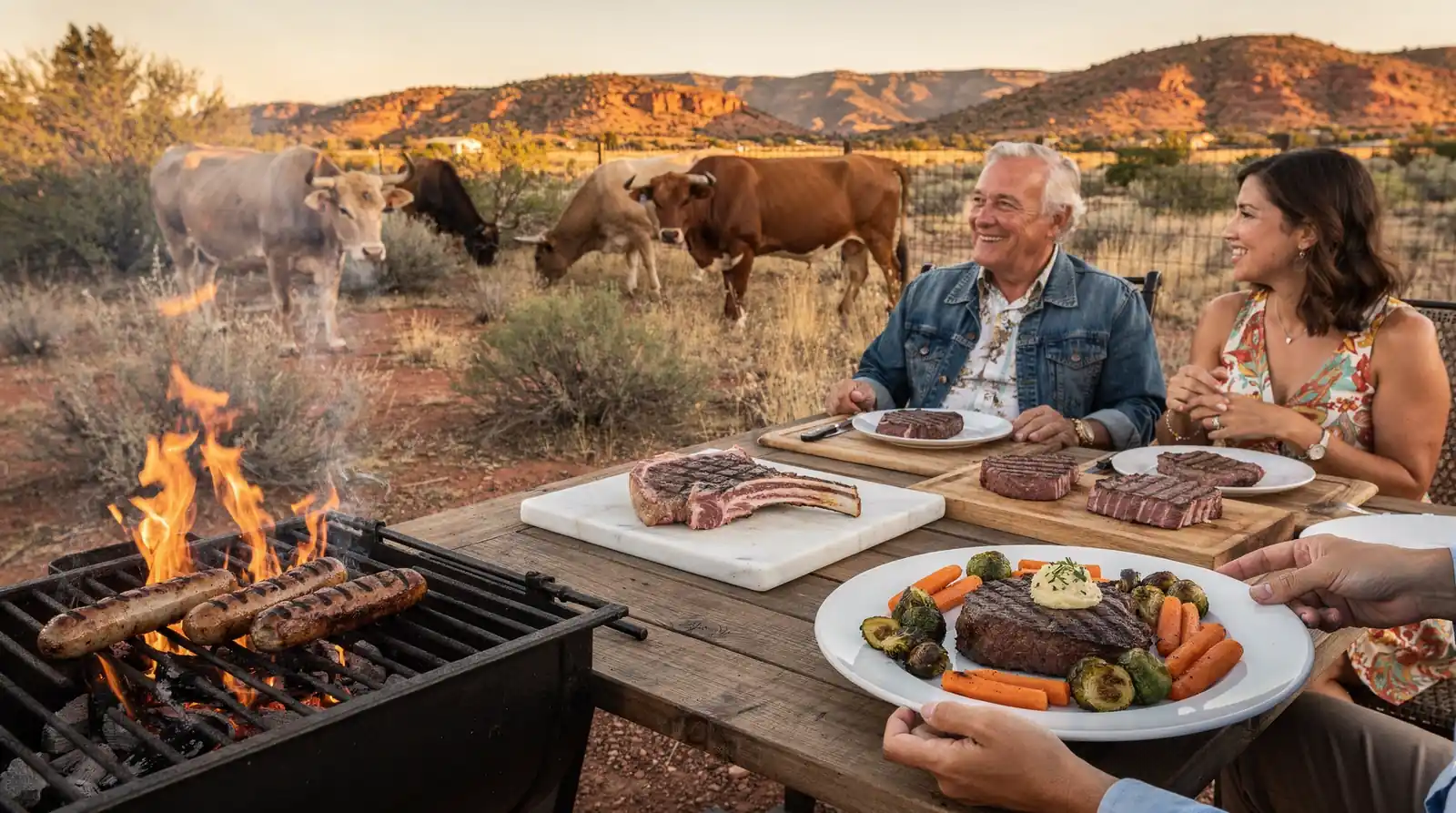
Share size depends on freezer capacity, household size, and which cuts a family will actually cook. Families weighing a quarter, half, or whole beef order benefit from pricing out individual steaks first. A large share only pays off when it includes cuts everyone will eat. Beef cuts explained for families shopping in bulk starts with matching per-cut value to freezer space and appetite.
Follow these steps to size a share with confidence:
- Measure available freezer space; a quarter share typically needs a standard chest freezer.
- List the meals a household cooks weekly, then match that list to steak, roast, and ground beef ratios.
- Compare individual cut prices to judge whether a larger share saves money over time.
- Choose a size based on household count, leaning toward a half or whole share for larger families.
- Confirm the mix includes affordable everyday cuts alongside premium steaks.
Pricing comparisons should be weighed on a per-cut basis. Ribeye, filet mignon, NY strip, sirloin, and teres major cuts each carry different price points. Pricing varies by package and by cut. Families should contact Capital Farms directly for current pricing before finalizing a share size decision.
How much does cut variety affect share value?
Variety changes the math significantly. Shares weighted toward premium steaks such as filet mignon generally cost more per pound than those built around everyday cuts like sirloin or teres major. Families balancing premium steaks with budget cuts stretch their freezer dollars further across the year.
Is a quarter share enough for a small family?
A quarter share works well for households that cook beef a few times weekly and have limited freezer space. Pricing entry points help gauge whether a quarter share covers enough variety before upgrading to a half or whole order.
Which Cuts And Costs Should Families Expect?
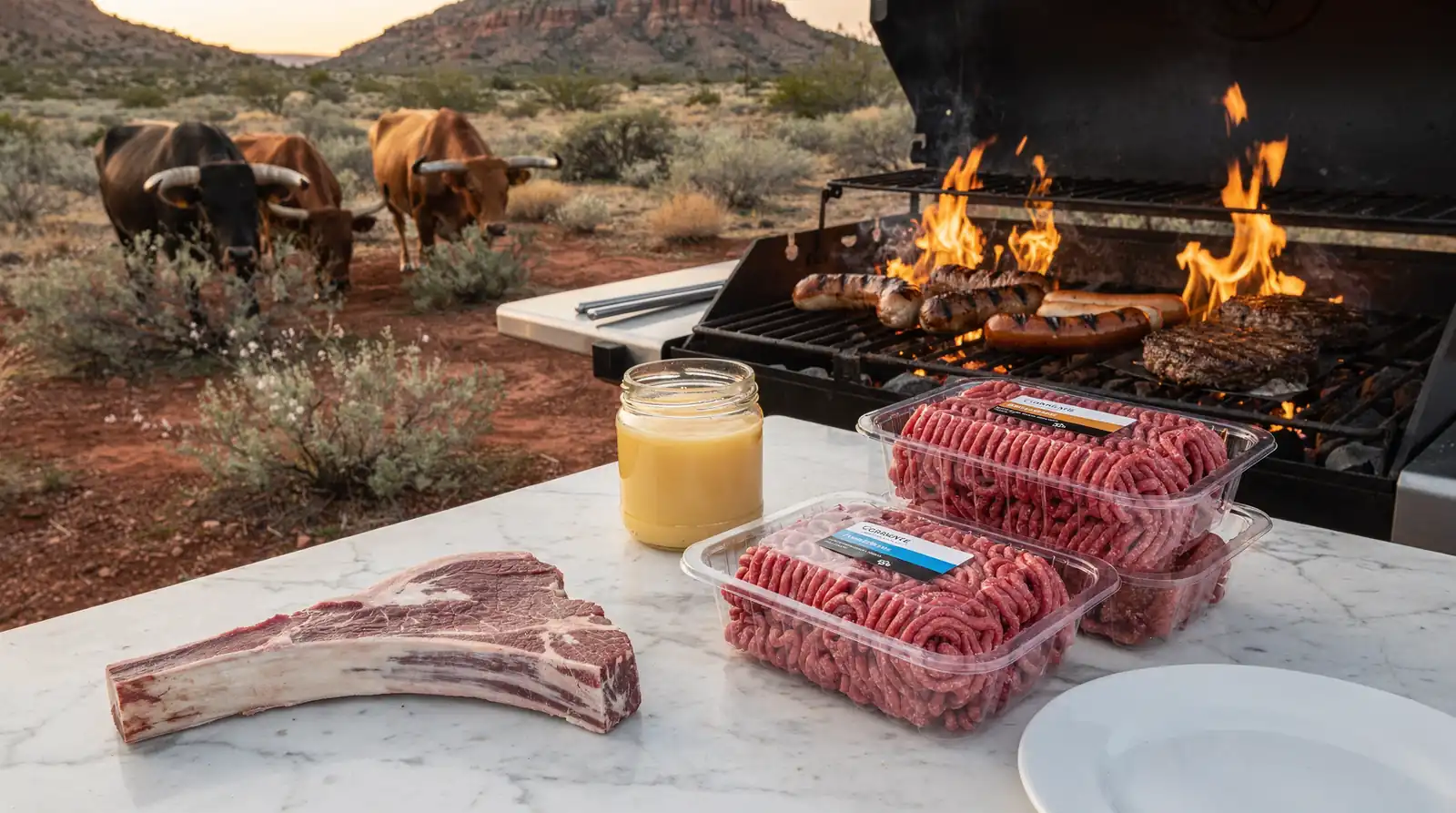
A beef share includes a mix of steaks, roasts, ground beef, and rib cuts, with the exact breakdown depending on the share size a family selects. Understanding beef cuts explained for families starts with ground beef packaging. The percentage listed reflects the lean-to-fat ratio. Helps families predict how much ground beef they will use compared to steaks. cite-1 Rib cuts deserve attention too. Families can prepare them through grilling. Pan-searing, reverse searing, and roasting work just as well, giving weeknight cooks more flexibility than a single method allows.
Costs extend beyond the primary share. Capital Farms offers Premium Corriente Beef Tallow as an added-value byproduct. Pricing varies by package and should be confirmed directly with Capital Farms, something many first-time buyers overlook when budgeting for a bulk order.
Should families feel nervous about unfamiliar cuts?
No. First-time buyers should not feel intimidated trying new or unfamiliar cuts that arrive in a share. Most cuts respond well to simple cooking methods, and experimenting builds confidence quickly.
Selecting the right beef share size ultimately depends on your family's consumption patterns, storage capacity, and commitment to quality meat. Capital Farms' premium Corriente beef—raised on Arizona rangelands. Finished with care—delivers the rich flavor and tenderness that justify thoughtful portion planning. Whether you choose a smaller share for regular replenishment or a larger one for long-term freezer storage, you invest in beef that honors both traditional ranching practices and modern quality standards. The key is matching your household's needs to a share size that ensures you enjoy every cut at its finest. For more information on share options, visit Capitalfarms.Com.
FAQ
What factors determine the right beef share size for a family?
Share size depends on freezer capacity, household size, and which cuts the family actually cooks. Families should measure freezer space and list weekly meals to match steak, roast, and ground beef ratios before choosing a quarter, half, or whole share.
Is Capital Farms beef free of hormones and additives?
Yes, every Capital Farms order is hormone free, grass fed, and grain finished. ### Does shipping cost affect the total price of a bulk beef order?
Yes, Capital Farms offers free shipping on qualifying orders to a number of western states. Families should contact Capital Farms directly for current th