
Find Premium Butchered Cow Options Near Me
Find Local, Premium Butchered Beef: Buy Grass‑Fed Corriente Shares Near You
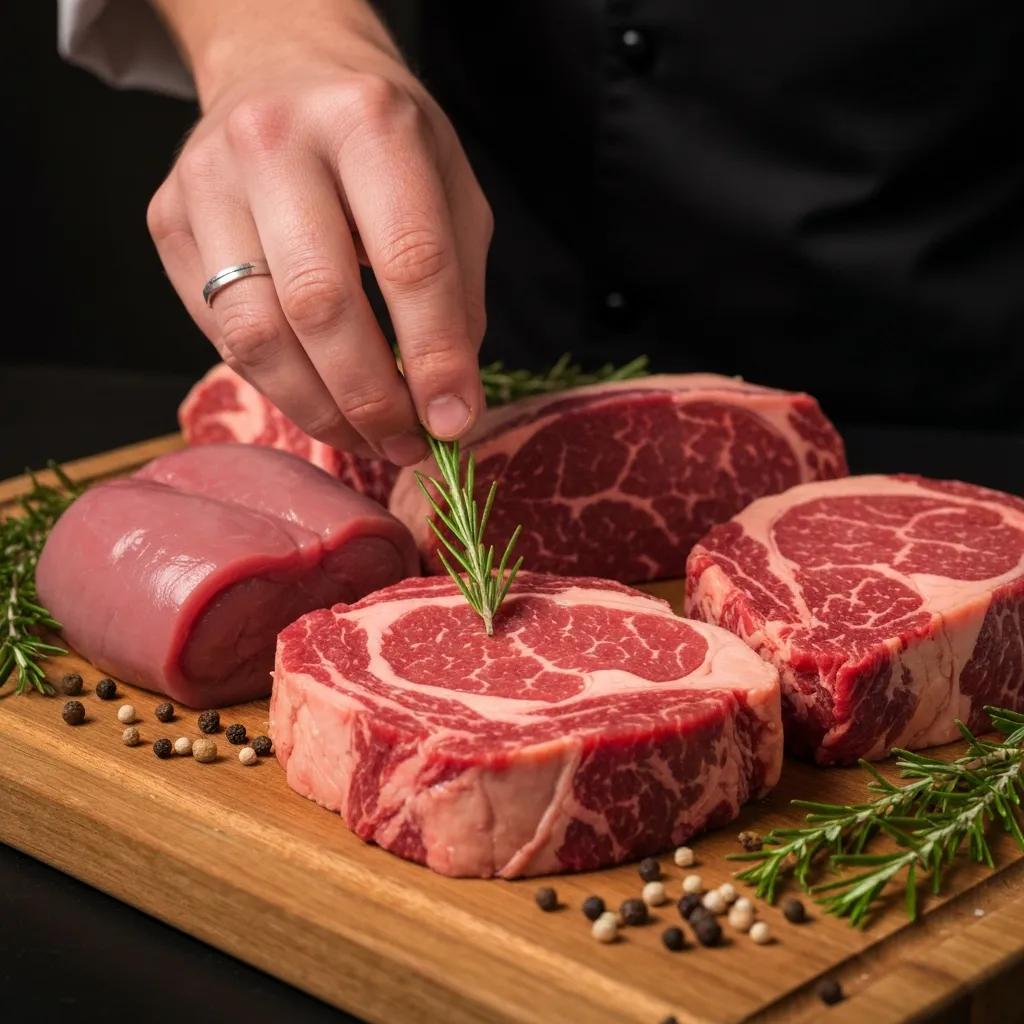
Buying a butchered cow or a half‑cow share should feel simple — not like a logistics puzzle. This guide walks you through share sizes, sourcing, and pickup options so you know what to expect from price per pound to freezer space and cut mixes. We compare the practical differences between direct farm pre‑orders, local butchers, and cooperative buys, then give step‑by‑step pre‑order checklists, freezer planning estimates, and cooking and storage advice. You’ll also learn why Corriente beef raised with regenerative practices often delivers reliable flavor and texture, and you’ll see real examples of local producer offerings and pre‑order timelines to help you choose with confidence.
Which Local Options Make the Most Sense for Half and Whole Beef Shares?
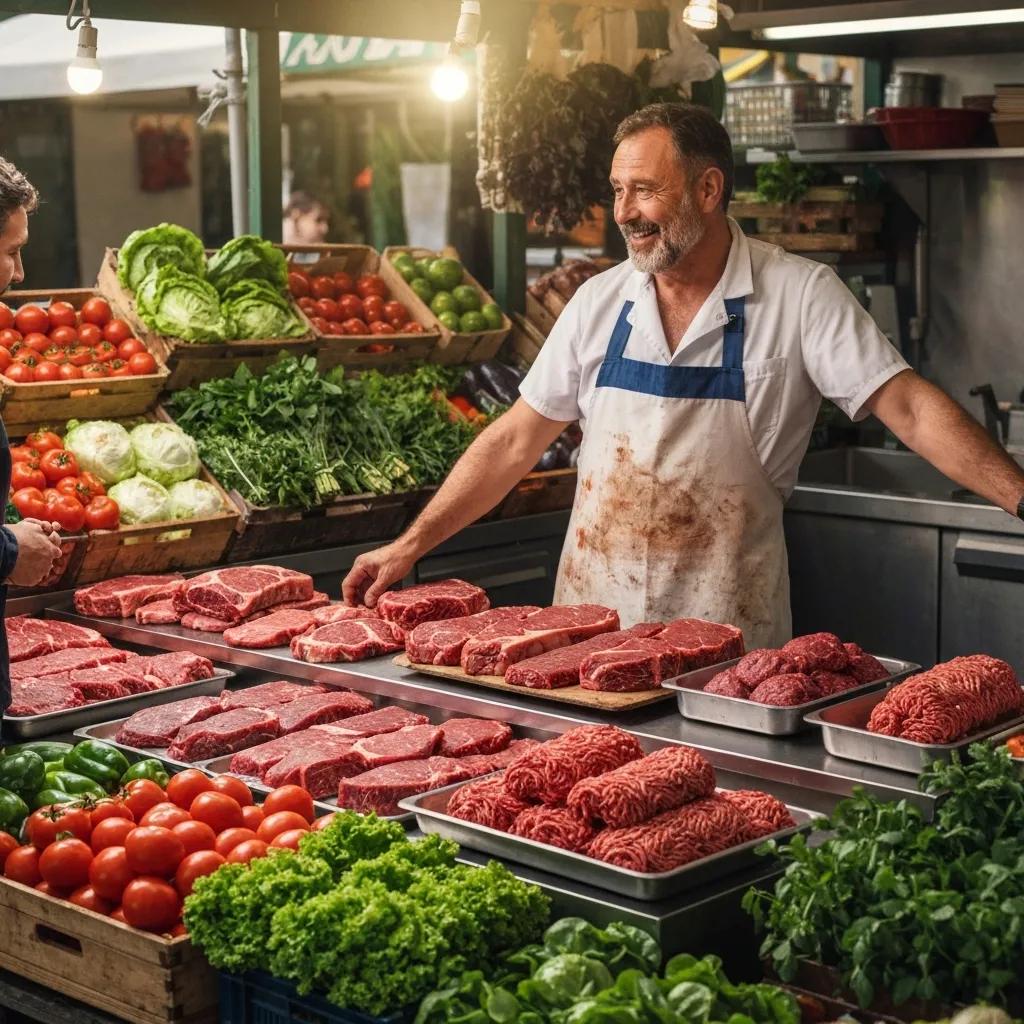
Most buyers pick between three paths: ordering directly from a farm, working with a local butcher or processor, or joining a group/co‑op purchase. Each approach trades off cost, convenience, and customization. Farms give clear traceability and information about breed and finish. Butchers let you tailor cuts and aging but may charge extra and require scheduling. Co‑ops can lower per‑pound costs through volume, though they need coordination for pickup and distribution.
What Beef Share Sizes Will Fit My Household?
Shares generally come as eighths, quarters, halves, and wholes — each with very different usable‑pound yields and freezer needs. An eighth is perfect for one or two people who eat beef occasionally. A quarter balances variety and storage for small families. Halves and whole carcasses make sense for large households or those who want long‑term savings, but plan for significant freezer capacity and coordination.
How Do Costs Stack Up for Half and Whole Shares?
Cost varies with breed, finish, and processing choices, and larger shares usually reduce the per‑pound price while raising the upfront cost and storage needs. Specialty breeds, older maturity, and grain finishing all push prices up by adding marbling and flavor. To compare fairly, divide the total share cost by estimated usable pounds after processing. Remember deposits and lead times can affect your effective price per pound, especially if producers require deposits to lock in pre‑order pricing.
Why Pick Premium Corriente Beef from Local Producers Like Capital Farms?
Corriente cattle tend to produce a leaner, beef‑forward flavor that responds well to thoughtful finishing. When raised on regenerative ranching systems — grazing plans that prioritize soil and pasture health — you get more predictable animal condition and a transparent supply chain. Producers who publish finishing protocols and maturity details make it easier to judge eating quality and align your cooking expectations with the product you receive.
What Sets Corriente Beef Apart in Taste and Texture?
Corriente is prized for concentrated beef flavor and a firm but tender texture when finished correctly. Extended maturity plus a planned grain finish influence marbling and fat distribution, producing steaks and roasts that brown beautifully without excessive fattiness. Chefs often suggest modest searing heat and a gentle rest to preserve juices and highlight the breed’s savory profile. Knowing a producer’s finish timeline helps you pick cooking techniques that showcase these strengths.
How Do Regenerative Practices Improve Quality and Sustainability?
Practices like rotational grazing, cover crops, and reduced chemical inputs build soil health and forage diversity, which supports steadier animal nutrition and welfare. Healthier pastures can mean animals finish more consistently and with fewer external inputs. Many buyers value regenerative methods both for their ecological benefits and for the predictable quality they can produce. Producers who document these practices let buyers connect production choices with eating and environmental outcomes.
How Does the Buying Process Work for Local Bulk Beef Shares?
Buying a bulk share usually follows a clear sequence: pick share size, place a deposit, choose processing and cut preferences, then schedule pickup or shipping. Deposits hold animals and processing slots; lead times vary by season, so plan ahead. Processing choices — steak counts, pack sizes, grind allocations — change usable pounds and must be specified on a cut sheet before slaughter. Confirm pickup timing, vacuum packaging, and shipping windows with the producer to protect meat quality during transport.
How Do I Pre‑Order and Customize a Beef Share?
Start by choosing your share size and placing the required deposit to reserve an animal and processing date. After that, submit a cut sheet with steak counts, roast sizes, grind percentages, and any available specialty requests. Your farm or processor will confirm lead times and expected pickup or shipping dates; final payment is usually due at pickup or beforehand. Allow time for post‑slaughter aging and scheduling buffers — early decisions give you the best control over portion sizes and steak counts.
- Most buyers follow these pre‑order steps:
- Choose share size and confirm your budget and freezer capacity.
- Place a deposit to reserve the animal and processing slot.
- Complete the cut sheet with steak counts, grind allocation, and pack sizes.
- Schedule pickup or provide shipping instructions and arrange logistics.
Following this checklist keeps the process organized and minimizes last‑minute issues on pickup day.
What Pickup and Shipping Options Should I Expect?
Local pickup usually means scheduling a time at the processor or farm and bringing coolers or transport to move vacuum‑sealed packages promptly. Direct shipping — offered by some producers — uses insulated packaging and expedited carriers to keep meat frozen in transit; confirm delivery windows and where the carrier can safely leave a frozen shipment. Whether you pick up locally or receive a shipped order, clear timing and proper transport are key to preserving quality.
| Purchase Option | Typical Deposit | Lead Time | Customization |
|---|---|---|---|
| Direct farm pre-order | Deposit required to reserve share | 6–16 weeks depending on schedule | High—cut sheet and finish choices available |
| Local butcher processing | Processing fee plus deposit | Often 4–12 weeks | High—custom cuts and aging options |
| Cooperative/group order | Shared deposit or collective payment | Coordinated schedule per group | Moderate—limited customization per group |
What Cuts and Quantities Come in Half and Whole Beef Shares?
Understanding typical cut mixes and usable pounds helps you plan meals and freezer space. Final yields depend on hanging weight, trimming choices, and how packages are portioned. Typical shares include ribeye and sirloin steaks, several roasts, short ribs, ground beef, and stew meat; exact pack counts and roast weights vary by processor and what you request on your cut sheet. Matching estimated usable pounds to your household’s consumption prevents waste and maximizes value.
What Cuts Are Usually in a Half Cow Share?
A half share generally delivers a balanced mix: steaks (ribeye, strip, sirloin), multiple roasts (chuck, rump, round), short ribs, and many ground beef packs for everyday meals. Steak counts depend on thickness and your cut‑sheet requests. Ground beef often represents a large portion of usable pounds and typically comes in 1–2 pound vacuum packs for convenience. Specialty packs — stew meat, soup bones — add versatility for braises and stocks.
| Share Size | Typical Usable Pounds | Common Cuts Included |
|---|---|---|
| 1/8 Share | 40–60 usable lbs | Limited steaks, roasts, ground packs |
| 1/4 Share | 80–120 usable lbs | Steaks, roasts, short ribs, ground beef |
| 1/2 Share | 200–280 usable lbs | Full variety of steaks, roasts, ribs, ground |
| Whole | 400–560 usable lbs | Complete carcass distribution across cuts |
How Much Freezer Space Will I Need?
Use a rough rule of thumb: 1.5–2 usable pounds of vacuum‑sealed beef per cubic foot of chest freezer, depending on packaging density. A half share with about 220 usable pounds may need 110–150 cubic feet if loosely packed; efficient vacuum stacking can lower that to roughly 70–100 cubic feet. Upright freezers are usually less space‑efficient because of shelving. Labeling by cut and date and organizing by meal frequency makes large inventories easier to manage.
How Do I Make the Most of a Bulk Beef Share — Recipes and Storage Tips

Maximize value by matching cooking methods to each cut, rotating stock by use‑by timelines, and planning menus that distribute steaks, roasts, and ground beef across weeks. Respecting a cut’s character — searing steaks, braising chuck, slow‑roasting larger cuts — keeps meat tender and flavorful. Clear labeling, vacuum sealing, and first‑in, first‑out rotation preserve quality and make meal planning predictable.
Best Cooking Methods for Corriente Cuts
Lean to moderate‑fat Corriente cuts shine with a high‑heat sear and medium‑rare finish for steaks, long, slow braises for chuck and short ribs, and low‑and‑slow roasting for large roasts to retain moisture. Preheat your pan or grill, sear to build a crust, then rest steaks to redistribute juices. Tougher cuts benefit from low, slow cooking with aromatics to convert connective tissue into silky gelatin. Simple seasoning — salt, pepper, and a finish of butter or oil — often lets the beef speak for itself.
| Cut | Best Cooking Method | Recommended Storage Duration |
|---|---|---|
| Ribeye / Strip | High‑heat sear, medium‑rare finish | 9–12 months frozen |
| Chuck Roast | Low‑and‑slow braise | 8–12 months frozen |
| Ground Beef | Quick cook, versatile recipes | 3–4 months frozen |
| Short Ribs | Braise or sous‑vide | 9–12 months frozen |
Tips for Storing and Planning Meals
Pack vacuum‑sealed portions flat for efficient stacking and faster thawing; label each pack with cut, weight, and pack date. Thaw overnight in the refrigerator or use a cold‑water method for quicker results while keeping temperatures safe. Plan to use steaks earlier in rotation, roasts mid‑rotation, and ground beef later to protect delicate cuts. Batch cook chili, stews, and pulled beef to shorten weeknight prep and make the most of bulk portions.
- Quick storage actions to adopt now:
- Vacuum‑seal in meal‑sized portions and flatten packs for stacking.
- Label clearly with cut, weight, and pack date.
- Rotate stock first‑in, first‑out and plan weekly menus by cut type.
- Use ground beef within 3–4 months for best flavor; sturdier cuts can keep longer.
These simple steps turn a large freezer supply into an organized, ready‑to‑cook pantry and cut waste over time.
What Guarantees and Support Can You Expect When Buying Local Butchered Beef?
Support and clear remedies matter when you’re buying in bulk. Reputable producers publish satisfaction guarantees and outline replacement or refund policies for quality or shipping issues. Documenting problems with photos and pack labels speeds resolution. Review buyer experiences for patterns around fulfillment accuracy and support responsiveness to set realistic expectations.
Capital Farms’ Satisfaction Promise
Capital Farms stands behind its product with a 100 percent customer satisfaction guarantee — qualifying issues can be resolved with a replacement or full refund. Their pre‑order listings are transparent about share sizes (1/8, 1/4, 1/2, whole), regenerative practices, and finishing details. For example, a half share is listed at $2,199.00 with a scheduled shipping date of 12.08.2025, showing clear pricing and lead‑time information. If an issue occurs, document pack labels and contact the producer promptly to begin the replacement or refund process under the guarantee.
Where to Read Reviews from Local Beef Buyers
Look across multiple review sources for consistent themes about product quality, accuracy of processing, and customer support speed. Separate comments about flavor from logistics notes about pickup and delivery to identify what matters most to you. Cross‑referencing buyer feedback with a producer’s stated ranching and finishing protocols gives a fuller picture for a confident purchase.
- How to evaluate reviews efficiently:
- Compare product quality comments to logistics performance notes.
- Prioritize recent reviews that reference current protocols and shipping practices.
- Notice how quickly a producer resolves quality complaints to gauge support responsiveness.
- Match reported eating quality with stated ranching and finishing practices.
Frequently Asked Questions
What should I consider when choosing a local butcher for beef shares?
Check the butcher’s reputation, processing methods, and willingness to be transparent about sourcing. Ask about their experience with the cuts you want, available customization, and aging options. Read customer testimonials to verify consistency, and confirm their approach to handling and packaging to protect meat quality.
How can I ensure the quality of my beef share?
Start with a reputable producer that shares breed, finishing, and handling details. Inspect packaging on receipt for damage or thawing signs, store packages frozen until use, and follow safe thawing methods. Choose cooking techniques that suit each cut to get the best flavor and texture.
What are the environmental benefits of choosing regenerative beef?
Regenerative beef supports practices that rebuild soil, increase biodiversity, and improve water retention. Techniques like rotational grazing help restore grasslands and can reduce reliance on external inputs. Buying regenerative beef supports farms focused on long‑term ecological health and animal welfare.
How do I calculate the cost‑effectiveness of a beef share?
Divide the total share price by the estimated usable pounds to get a price per pound, then compare that to grocery prices for similar cuts. Factor in quality, convenience, and the value of having a stocked freezer for meal planning — those benefits often improve the overall value.
What are best practices for thawing and cooking beef shares?
Thaw overnight in the refrigerator or use a cold‑water method for faster thawing while keeping temperatures safe. Avoid room‑temperature thawing. Match cooking methods to cuts: high heat for steaks, low and slow for braises and roasts, and always rest meat after cooking to retain juices.
What should I do if there’s an issue with my beef order?
If you find a problem — incorrect cuts, damaged packaging, or quality concerns — contact the producer or butcher right away with photos and pack labels. Most reputable producers have satisfaction policies; clear documentation helps speed a replacement or refund.
Conclusion
Choosing premium, locally butchered beef connects you to clearer sourcing, better flavor, and farms that care for land and animals. Understanding share sizes, processing choices, and freezer needs helps you pick the right option for your household. Explore local producers like Capital Farms to find transparent, regenerative Corriente beef and start planning a more sustainable, flavorful pantry today.