
Understanding Half Beef: Quality Cuts at Affordable Prices
Buy a Half Beef Share: Your Complete Guide to Premium Bulk Beef Delivery and Freezer Cuts
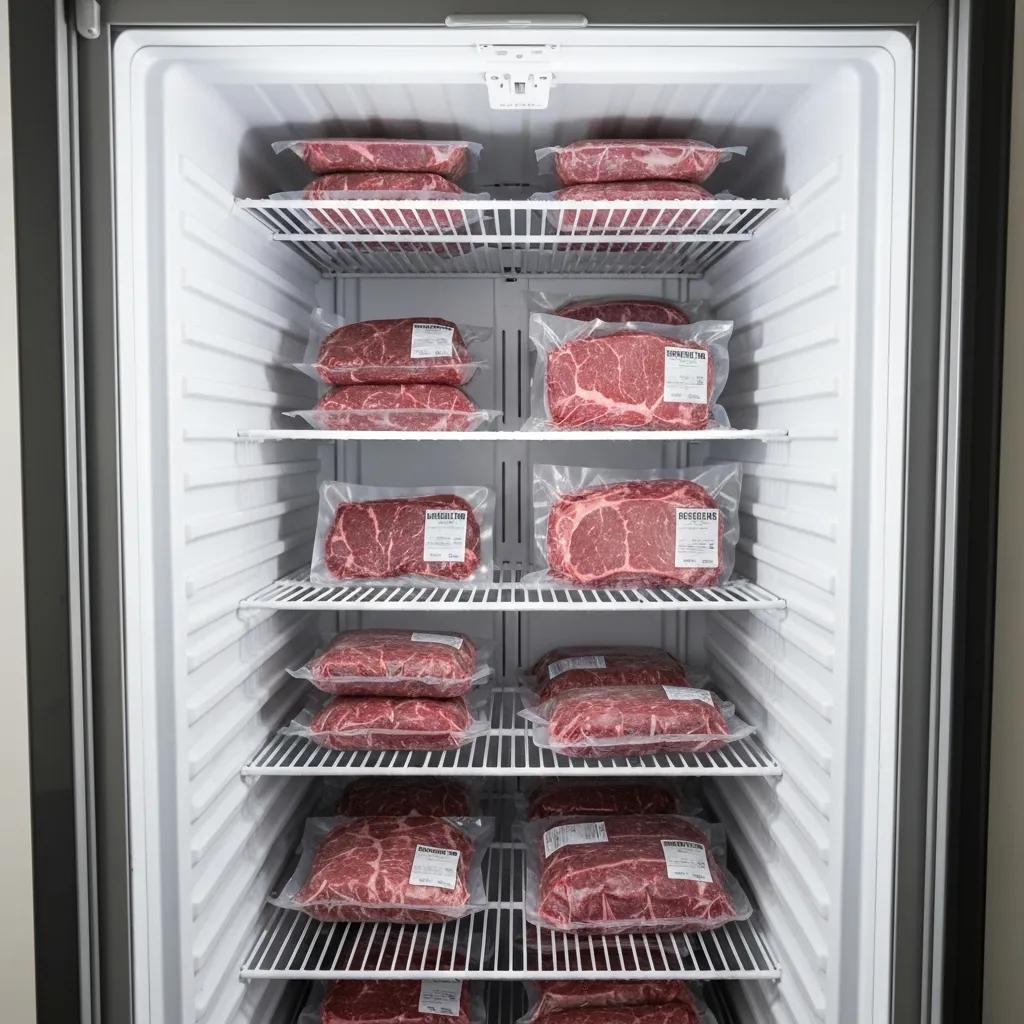
Buying a half beef share gives you one side of a processed animal, packaged and ready to stash in the freezer. It’s a smart way to lock in consistent quality, save on per-pound cost, and build a predictable meal plan. This guide walks through what a half share actually is, how processing choices affect take-home weight, which cuts you’ll get, how to figure price-per-pound, and practical tips for storage and thawing so you can plan your freezer and meals with confidence. We answer the most common questions — how much meat you’ll receive, which steaks and roasts are included, and whether buying half a cow saves money versus retail — and include clear examples, breed notes on Corriente cattle, and a plain overview of ordering, delivery, and satisfaction guarantees. Continue for cut lists, simple tables, a freezer calculator approach, and step-by-step guidance to reserve and store a half beef share responsibly.
What Is a Half Beef Share and How Does It Work?
A half beef share is essentially one side of a beef carcass that’s processed to your specifications and returned as vacuum-sealed packages for the freezer. The workflow starts with reserving or selecting the animal, followed by slaughter, hanging and trimming (which sets hanging weight), then cutting to the cut sheet you approve, and finally vacuum-sealing and labeling for pickup or delivery. The key advantages are predictable volume and cost control for families or groups, plus the ability to choose portion sizes and trim levels that match how you cook. Knowing terms like hanging weight, carcass yield, and take-home weight helps you estimate storage needs and price-per-pound; the sections below unpack those terms and show how different processing choices change the final result.
What Does Buying Half a Cow Mean?
Buying half a cow usually means paying for one processed side of a carcass and receiving the meat after commercial processing — you’re buying the packaged product, not the live animal. Choices on your cut sheet — fat trim (minimal vs. heavier trim), steak thickness, and how much ground beef you want — will change the mix of cuts and the total take-home weight. The typical sequence is: reserve the share, submit your cut-sheet preferences, wait for scheduled processing and packing, then pick up or accept delivery of vacuum-sealed packages. Making these decisions up front reduces surprises and helps the final shipment match your meal-planning needs.
How Much Meat Comes from a Half Beef Share?
Take-home weight varies by breed, finish, and processing preferences, but most half shares fall between roughly 130 and 190 pounds of packaged meat. As an example, one half-share offering lists an approximate take-home weight of 158.5 pounds when processed to standard trim and cut choices — a useful mid-range figure for budgeting freezer space and weekly meals. Animal breed and finish, trim level, and prioritizing large roasts versus more ground beef will change the final pounds you receive. Understanding these variables makes it easier to translate hanging weight into practical meal portions and to plan freezer capacity, which we cover later.
What Cuts Are Included in a Half Beef Share?

A half beef share generally delivers a balanced mix of premium steaks, roasts, smaller cooking cuts, and a substantial amount of ground beef, giving you options for grilling, roasting, braising, and everyday meals. The exact mix depends on the butcher’s cut sheet and your choices, but most shares include ribeye and strip steaks, sirloin and round steaks, chuck roasts, brisket or short ribs if requested, stew meat, and a predictable supply of ground beef. Below are representative steak and roast cuts, approximate counts, and suggested cooking methods to help you plan meals and organize your freezer.
This table shows common premium steaks and roasts you can expect in a half beef share, with estimated counts and cooking suggestions.
| Cut | Approx. Quantity per Half | Suggested Use / Cooking Method |
|---|---|---|
| Ribeye / Prime Rib (boneless or bone-in) | 6–8 steaks / 1 roast | High-heat sear or oven roast to highlight rich marbling |
| Strip (NY strip) | 6–8 steaks | Pan-sear or grill to medium-rare for best tenderness |
| Sirloin / Top Sirloin | 6–10 steaks | Grill or broil — a versatile weeknight steak |
| Chuck Roast / Pot Roast | 2–4 roasts | Low-and-slow braise for shredding or stews |
| Round / Rump Roast | 1–2 roasts | Slow roast or thin-slice for sandwiches |
Use this cut table to estimate how many family meals each category will provide and to decide what to use quickly versus save for special occasions. Next we cover how much ground beef and secondary cuts typically fill out a half share.
Which Steaks and Roasts Are Part of the Half Beef?
A half beef share usually includes the high-value steak primals plus utility roasts for everyday cooking. Expect ribeye and strip steaks, sirloin cuts, and larger roasts from chuck and round that are ideal for braising or oven roasting; processors portion these to common household serving sizes. Your choices for steak thickness and bone-in versus boneless will affect the number of steaks and pack sizes, so specify those preferences on your cut sheet to balance immediate grilling needs with long-term storage. The characteristics of Corriente beef may also guide which cuts you cook quickly and which you save for slow methods that break down connective tissue.
How Much Ground Beef and Other Cuts Will You Receive?
Ground beef often makes up a significant portion of a half share, commonly totaling 40–80 pounds depending on how the carcass is portioned and how much trimming you request for steaks and roasts. Secondary cuts — stew meat, short ribs, soup or neck bones, and optional organ meats — round out the share and provide ingredients for slow-cooking and stock-making that stretch your meals further. As a practical rule, if you use about 1 pound of ground beef per week, a 50-pound allotment covers roughly a year of weekly meals for one person. Those estimates help when organizing the freezer and planning meal rotation.
How Much Does a Half Beef Cost and What Is the Value?
The total cost of a half beef share includes the base meat price plus processing and any add-ons; dividing the final total by the take-home weight gives the effective price-per-pound to compare with retail. For transparency, one half share is listed at $2,199 with an approximate take-home weight of 158.5 pounds — a straightforward example for evaluating value. Know which services are included (vacuum sealing, pack sizes, trim levels) because they affect convenience and the real per-pound cost compared to grocery-store purchases. The compact price breakdown below makes the math easy to follow.
The table below clarifies cost components, the per-pound calculation, and the bulk-buy value proposition.
| Cost Component | Measurement | Value |
|---|---|---|
| Listed product price | Total | $2,199 |
| Example take-home weight | Pounds | 158.5 lbs |
| Base price per pound | Price ÷ Pounds | $13.87 per lb (approx.) |
| Typical retail equivalent | Per lb range | Often $15–$25+ per lb for comparable cuts |
This breakdown shows how the example share’s base price converts to an approximate per-pound cost and how bulk buying can reduce retail markups while delivering high-quality cuts. With the per-pound figure clear, the next section explains how bulk buying turns into real savings across meal planning and fewer trips to the store.
What Is the Price Breakdown per Pound for Half Beef Shares?
Price-per-pound is simply the total price divided by the actual take-home weight after processing. Using the $2,199 example and 158.5 pounds of meat, the calculation comes to about $13.87 per pound before adding delivery or special processing fees. Choices like thicker-steak cuts, aging, shipping, or custom packaging will raise the effective per-pound cost, while opting for more ground beef and fewer large roasts can lower it. Compare this number to your local supermarket prices for similar primals to decide whether the upfront investment fits your household budget and cooking habits.
How Does Buying Bulk Beef Save Money Compared to Retail?
- Bulk purchases spread processing and overhead across more pounds, lowering per-pound markup.
- Vacuum-sealed, predictable packaging reduces spoilage and impulse buys.
- A stocked freezer and intentional meal planning cut expensive last-minute grocery runs.
Together, these benefits often convert an upfront bulk purchase into steady monthly and yearly savings when you plan meals around the share and reduce wasted meat.
How Do You Store and Manage Your Half Beef Share?

Good storage planning preserves quality and maximizes the value of a half beef share. Understand how many cubic feet you’ll need, choose efficient packaging, label clearly, and follow safe thawing techniques so your meat stays flavorful. Freezer volume depends on total packaged volume and how well you arrange packages; below we explain how to estimate space and list practical packaging types. Vacuum sealing, consistent labeling, and portioning into meal-sized packs simplify rotation and shorten thaw time for everyday use.
How Much Freezer Space Is Needed for Half a Cow?
Freezer space varies with packaging, but a typical guide for a standard half share is about 9 cubic feet. To estimate your needs, divide the total packaged weight by a typical pack density — vacuum-sealed meat packs efficiently at roughly 17–20 lbs per cubic foot depending on how many large roasts you include. Using the 9 cu ft guideline with a 158.5 lb take-home suggests about 17–18 lbs per cubic foot for efficient packing. To maximize capacity, lay flat vacuum bags, stack uniform-size packs, and remove excess air from packaging so everything fits and is easy to rotate.
The table below translates common package types into estimated freezer space to help you choose a freezer or reorganize before pickup or delivery.
| Package Type | Typical Weight per Pack | Estimated Freezer Space (cu ft) |
|---|---|---|
| 1–2 lb vacuum-sealed packs | 1–2 lbs | 0.05–0.10 cu ft per pack |
| 3–5 lb portion packs | 3–5 lbs | 0.10–0.25 cu ft per pack |
| Large roasts (5–10 lb) | 5–10 lbs | 0.25–0.50 cu ft per roast |
Map the whole share into your available freezer volume using these estimates and choose pack sizes that fit your weekly cooking rhythm. With space set aside, the next section covers packaging and labeling habits that preserve flavor and make using the share simpler.
What Are the Best Practices for Freezing and Preserving Bulk Beef?
Preserve quality by cooling meat quickly, vacuum-sealing to prevent freezer burn, and labeling clearly so you follow a first-in, first-out rotation. Portion into meal-sized packs that match your recipes to avoid thawing more than you need, and always date and label packages with the cut and weight. Don’t overpack the freezer — leave room for air circulation — and keep it at 0°F (-18°C) or colder. When thawing, prefer a slow refrigerator thaw for the best texture and food-safety margin. These habits reduce waste, retain flavor, and let you enjoy the share progressively without losing quality.
Why Choose Capital Farms' Corriente Half Beef Share?
Capital Farms offers a Corriente half beef share that highlights breed-specific flavor and ranching methods that support soil health and animal welfare. The product is described as hormone-free, mRNA-free, grass-fed, and grain-finished. Corriente cattle are known for a lean, pronounced beef flavor and resilience in arid environments — traits that can produce a distinctive eating experience for customers seeking heritage-style beef. The ranch emphasizes regenerative practices and backs its product with a 100% satisfaction guarantee to reassure bulk buyers about quality and service. The sections below expand on Corriente attributes, regenerative ranching benefits, and the quality assurances you can expect.
What Makes Corriente Cattle Beef Unique and Flavorful?
Corriente are a heritage breed prized for a leaner build and concentrated beef flavor. Raised on landscape-appropriate forage, these cattle can develop a flavor profile influenced by native grasses and finishing choices. Corriente steaks and roasts often benefit from careful cooking to medium-rare or medium and from methods that highlight any marbling present. Knowing these breed traits helps you choose which cuts to cook quickly and which to reserve for slow-cooked dishes that break down connective tissue.
How Do Regenerative Ranching and Hormone-Free Practices Benefit You?
Regenerative ranching focuses on soil health, water retention, and ecosystem resilience — practices that can boost on-ranch biodiversity and long-term pasture health while improving supply-chain transparency. For buyers, practical benefits include traceability and avoidance of routine hormone use, reinforced by claims like hormone-free and mRNA-free handling. Capital Farms pairs these practices with a 100% satisfaction guarantee and reports strong customer ratings, giving shoppers clear production and quality signals to weigh when comparing bulk beef options.
How to Order Your Half Beef Share and What to Expect?
Ordering a half beef share is a straightforward process: place a preorder or reservation, specify processing preferences on a cut sheet, wait for harvest and processing, then arrange pickup or delivery and store the packaged meat properly. Knowing the timeline and what choices to provide — steak thickness, ground-beef amount, packaging sizes — helps ensure the delivery matches your expectations. The numbered process below outlines the main steps and clarifies customer experience elements like support contacts and satisfaction policies.
What Is the Pre-Order and Delivery Process for Half Beef Shares?
- Pre-order: reserve your half share and pay a deposit or full payment as required;
- Processing preferences: submit a cut sheet with trim level, steak thickness, and preferred pack sizes;
- Processing timeline: expect scheduling for slaughter, hanging, cutting, and vacuum-sealing according to the producer’s cycle;
- Delivery/pickup: arrange on-farm pickup or scheduled delivery and confirm freezer space before arrival.
Following these steps reduces uncertainty and makes the post-order period predictable. If you need help, contact the producer’s support team for clarification or updates.
This checklist clarifies the operational steps from reservation to pickup so you can prepare paperwork and freezer space in advance. If you want hands-on help completing your cut sheet or confirming specs, contact support to make sure your order fits household needs and scheduling constraints.
What Customer Experiences and Satisfaction Can You Expect?
When choosing a supplier, look for clear guarantees and transparent ratings as signs of consistent customer experience. In this case, the producer offers a 100% satisfaction guarantee and reports a 5.0 aggregate product rating across 53 reviews, indicating strong customer approval. For order questions, buyers can use the listed support contacts to discuss processing choices, delivery coordination, or post-delivery concerns. Those assurances and responsive contact options help reduce the perceived risk of a larger upfront purchase and make buying a half beef share easier for first-time bulk buyers.
- Contact email: support@capitalfarms.com
- Contact phone: (928) 543-9597
These contact channels connect you directly with support for order questions or satisfaction issues and help close the loop between ordering and enjoying your half beef share.
Frequently Asked Questions
What are the benefits of buying a half beef share compared to purchasing individual cuts?
Buying a half beef share usually lowers your effective price per pound, gives you a wide variety of cuts for different cooking methods, and encourages meal planning that reduces grocery trips and food waste. It’s a cost-effective, convenient option for families or anyone who cooks regularly with quality beef.
How do I choose the right processing preferences for my half beef share?
Choose processing preferences based on how you cook: decide steak thickness, how much ground beef you want, and whether you prefer bone-in or boneless cuts. Consider fat trim preferences since trim affects flavor and cooking. Clearly list these choices on your cut sheet so the final packages match your household’s needs.
Can I customize the cuts I receive in my half beef share?
Yes — most producers let you customize cuts via the cut sheet during ordering. You can usually select steak types, roast sizes, and ground-beef proportions, though customization options vary by supplier. Confirm specific policies with the producer so you get the mix that suits your kitchen.
What should I do if I have dietary restrictions or preferences?
Tell the producer about dietary needs when you place the order. Many suppliers can accommodate requests like leaner cuts or specific fat content, and you can ask about ranching practices if you prefer hormone-free or grass-fed options. Clear communication helps ensure your half share meets your dietary preferences.
How can I ensure the quality of the beef I receive?
Choose a reputable supplier transparent about ranching and processing practices — look for grass-fed, hormone-free claims if that matters to you — and check customer reviews and guarantees. On delivery, vacuum-seal and freeze promptly, label and rotate packs, and follow recommended storage practices to preserve flavor and texture.
What are the best ways to use and cook the various cuts from a half beef share?
Match cooking methods to each cut: high-heat grilling or pan-searing suits ribeye and strip steaks; roasts like chuck and round do well with slow braising; ground beef is versatile for burgers, sauces, and casseroles. Learning the recommended techniques for each cut helps you get the most from your share.
Conclusion
Buying a half beef share gives you a broad selection of premium cuts, better control over cost-per-pound, and a more predictable kitchen inventory. It supports smarter meal planning, fewer grocery trips, and less waste. Choosing a trusted supplier like Capital Farms means you can enjoy hormone-free, thoughtfully raised beef while supporting regenerative ranching practices. Ready to start? Explore our half beef share options and reserve the share that fits your household.