
Elevate Your Dishes: Professional Insights on 12 Beef Cuts
Buy a Half Beef Online — The Practical Guide to Shares, Cuts, and Bulk Delivery
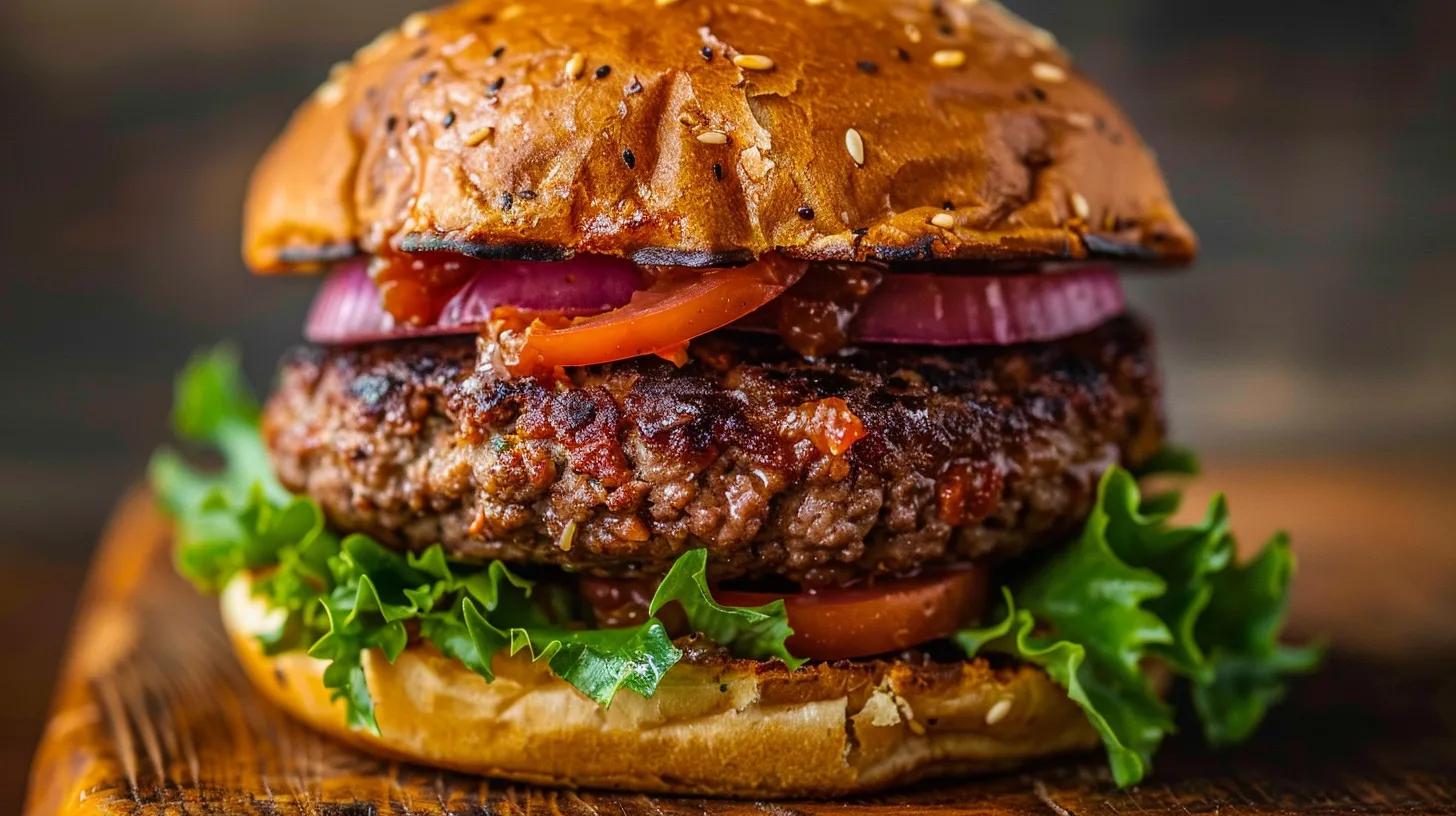
Buying a half beef—sometimes called a half cow or 1/2 beef—is one of the simplest ways to secure higher-quality meat, stabilize costs, and stock your freezer for months. This guide walks you through what a half share includes, how pricing generally breaks down, the cuts you’ll receive, and the day-to-day logistics of freezing, portioning, and cooking bulk beef. You’ll learn how to estimate freezer space, compare cost-per-pound to grocery prices, and spot meaningful differences in breed and ranch practices that affect flavor and sustainability. Practical tips cover typical cut mixes, vacuum-packaging and thawing best practices, and the key questions buyers ask about shelf life and overall value. By the end, you’ll know if a half beef fits your household, how to plan storage and meals, and what quality signals to look for—like breed, hormone-free practices, and regenerative ranching.
What a Half Beef Share Is — and Why It Makes Sense
A half beef share means buying about half of a slaughtered animal by weight after processing. The butcher breaks the carcass into steaks, roasts, and ground packages, which are vacuum-sealed for easy freezer storage. The process is straightforward: the animal is processed, primal cuts are portioned into retail packs, and you receive a pre-agreed mix of steaks, roasts, and ground beef for pickup or delivery. The main advantages are cost savings per pound, reliable supply for meal planning, and control over trimming, pack sizes, and cut selection when you buy directly from farms or trusted processors.
What Buying Half a Beef Actually Entails
When you buy half a beef you’re committing to a bulk purchase that delivers a balanced mix of steaks, roasts and ground meat sized for home use. Butcher choices determine pack sizes and trim levels; common pack sizes are 1–2 lb steak packs, 1–3 lb roasts, and 1–2 lb ground packs to match regular cooking patterns. Expect a processing fee, sometimes a deposit to hold your animal, and a scheduled pickup or delivery aligned with slaughter and processing dates. Knowing these details ahead of time helps you plan freezer space, weekly meal cadence, and how to rotate and use different cuts efficiently.
Why Families Buy Half Beef
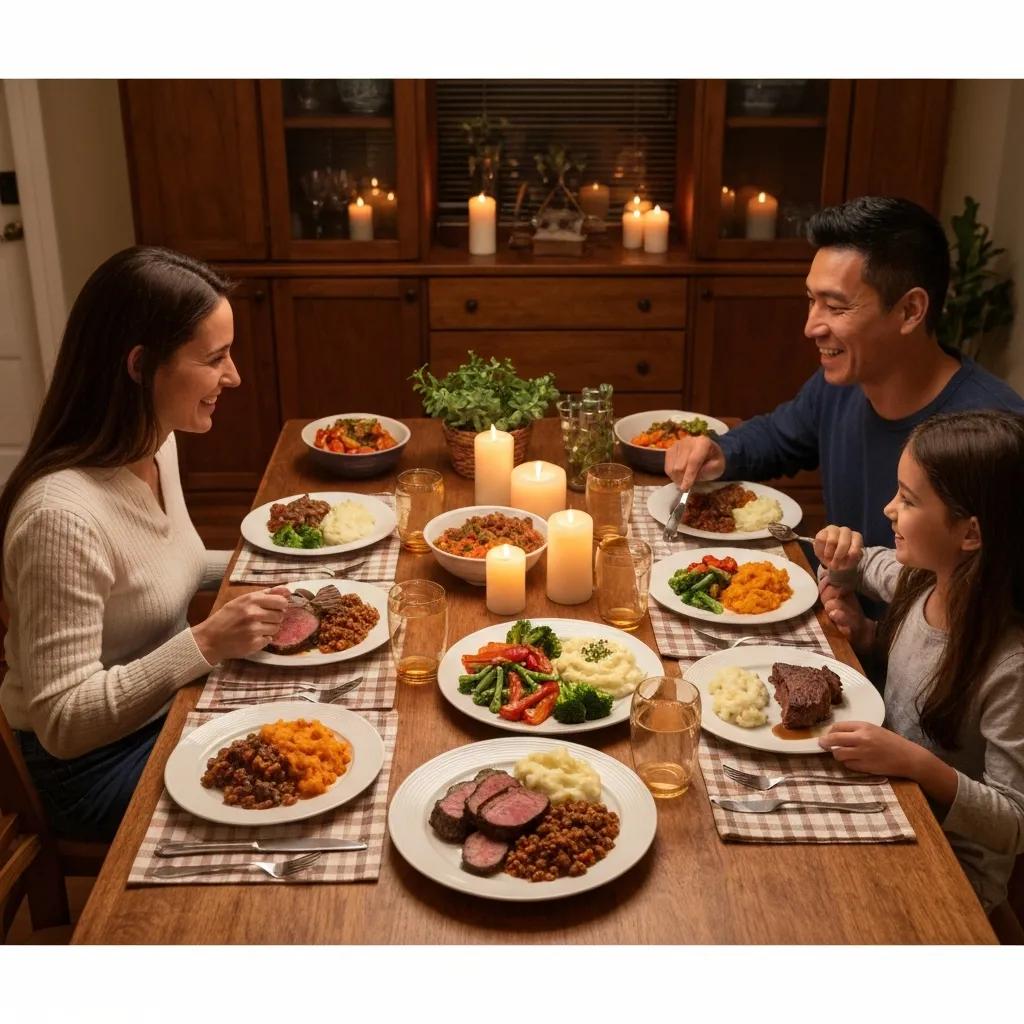
A half beef delivers real savings, consistent quality, and the convenience of predictable supply for home cooks who regularly prepare beef. Buying in bulk lowers the per-pound cost versus shopping retail and gives you a wider selection of cuts for everything from quick weeknight dinners to special-occasion steaks. Vacuum-sealed packs mean less packaging waste and easier storage. For shoppers who care about sourcing, buying direct from a farm or through a share program gives clearer information about breed, feed, and ranch practices.
How Much Does a Half Cow Cost? Understanding Price and Value
Half cow prices depend on breed, live weight, processing choices, and add-ons like custom cutting and vacuum sealing. The best way to compare offers is to look at the packaged value—animal quality, cut mix, processing fees, and shipping or pickup costs—and calculate price per usable pound (the take-home weight after processing). Divide the total price by estimated take-home pounds to compare with grocery prices. Don’t forget to weigh breed and production methods: those factors affect eating quality and may justify a higher price. Below we include a quick pricing comparison and a real example to show how the numbers translate.
Example: Typical Price for a Premium Half Cow
One farm-direct example lists the product "1/2 of Premium Beef" at $2,199.00, with availability and shipping noted for December 8, 2025. That figure reflects a packaged half-share that includes processing and vacuum packing on a typical direct-from-farm timeline. To convert this into cost-per-pound you’ll need the expected hang weight and yield—ask your vendor for an estimated take-home pound figure before you buy. When comparing value, include the processing and packaging that are usually bundled into share pricing.
Assessing the Cost and Quality of Beef: A Comprehensive Analysis
ABSTRACT: The share of U.S. fed cattle sold through value-based (grid) marketing systems is growing. Grids reward Choice and higher quality grades and sometimes add premiums for red meat yield. The Choice–Select spread increased significantly between 1989–91 and 1999–01, but achieving higher carcass grades carries costs. This paper analyzes trade-offs in feedlot and retained-ownership settings. Correlations between carcass and performance traits reveal shifting economic trade-offs as input costs and quality premiums change. Feedlot profitability depends heavily on marbling, carcass weight, and feed efficiency; at low Choice–Select spreads carcass weight dominates, while at higher spreads marbling becomes the primary profit driver.
Assessing the cost of beef quality, JD Lawrence, 2002
How Capital Farms’ Pricing Stacks Up
To judge fairness, compare a half-share price to local retail costs for comparable premium cuts while accounting for yield loss from trimming and bones. Direct-to-consumer pricing can look higher than commodity bulk beef but typically includes traceable sourcing, specified breed traits, and processing tailored to your preferences. When comparing offers, confirm whether the price covers processing, vacuum sealing, and shipping; note breed and feeding regimen; and consider seasonal price shifts. Ask for a per-usable-pound breakdown so you can make an apples-to-apples comparison with grocery or butcher prices.
Different share sizes illustrate how commitment and value change.
| Share Size | Price | Typical Value Note |
|---|---|---|
| 1/8 share | Varies by provider | Lower up-front cost; requires less freezer space |
| 1/4 share | Varies by provider | Mid-level commitment with a balanced cut mix |
| 1/2 share (example) | $2,199.00 | Includes processing and vacuum packing; availability noted for Dec 8, 2025 |
Use cost-per-usable-pound to standardize comparisons across providers and share sizes so you’re comparing real value, not just sticker price.
What Cuts Come in a Half Beef Share?
A typical half beef gives you a mix of premium steaks, versatile roasts, and multiple ground beef packages so you have variety for months. Steaks commonly include ribeye, New York strip, and tenderloin/filet in smaller counts; roasts and tougher sections—chuck, brisket, round—are portioned for slow cooking. Ground beef often makes up a large portion of total pounds and arrives in several vacuum-sealed packs. Exact mixes depend on processor and customer choices, so confirm the cut list and pack sizes before you buy.
Which Premium Cuts Are in Capital Farms’ Half-Share?
Capital Farms’ half-share, sold as "1/2 of Premium Beef," highlights premium steaks like ribeye, New York strip, and filet among the retail selections—cuts that showcase the breed and typical butcher breakdowns. These steaks are prized for tenderness and concentrated flavor and will appear in smaller counts per side, stretching over several meals. Best cooking methods: high-heat grilling or pan-searing for steaks, and gentle roasting for tenderloin. For a current, detailed cut list and exact pack counts, check the product page linked above.
Match cuts to cooking styles and expected pack sizes in your meal planning.
| Cut Category | Typical Pack Weight | Best Use / Cooking Suggestion |
|---|---|---|
| Ribeye steak | 10–16 oz per pack | Grill or pan-sear to showcase marbling and flavor |
| New York strip | 8–14 oz per pack | High-heat grilling; even thickness for consistent results |
| Chuck roast | 2–4 lb per roast | Slow braise or pot roast to break down connective tissue |
| Ground beef packs | 1–2 lb per pack | Everyday uses: burgers, sauces, tacos, quick sautés |
Use this guide to plan meals and portioning. Always verify exact weights with your provider’s cut list since butcher decisions affect the final distribution.
How Much Meat and Variety Should You Expect?
A half beef typically yields a mix of steaks, roasts, and several ground-beef packages—enough to last anywhere from a month to many months depending on how often your household eats beef. Yield depends on hanging weight and trimming choices: heavier trims reduce take-home pounds but produce leaner packages. You’ll usually get more roasts and ground beef by weight than premium steaks because of natural muscle distribution. Plan to reserve steaks for special meals and use roasts and ground beef for everyday cooking to maximize value and reduce waste.
Storing and Preserving Your Half Beef: Freezer Space & Tips

Good storage keeps meat tasting great and prevents freezer burn. Vacuum sealing, clear labels, and steady temperatures are the basics. Estimate freezer cubic feet based on expected take-home pounds; plan conservatively and stack efficiently so cold air can circulate. Vacuum sealing extends storage life and reduces oxidation; pair it with clear date-and-cut labels for easy rotation. Below are practical estimates and packaging options to help you choose between a chest or upright freezer for your household.
How Much Freezer Space Will a Half Beef Need?
A commonly used rule of thumb is about 35–40 pounds of packaged meat per cubic foot, though exact numbers vary with pack density and vacuum compression. Measure your freezer’s interior and compare to the vendor’s expected take-home pounds to make sure you have room, plus a little extra for airflow and future purchases. Chest freezers usually offer more usable space and work well for bulky roasts; uprights give easier access to smaller packs. Avoid overfilling so your freezer can maintain consistent temperatures and preserve quality.
Packaging affects storage life and handling; the table below summarizes common options and helpful tips.
| Packaging Method | Storage Life / Best Temp | Practical Tip |
|---|---|---|
| Vacuum-sealed packs | 12–24 months at 0°F | Label with cut and date; flatten packs to save space |
| Freezer paper wrapped | 6–12 months at 0°F | Double-wrap for long-term storage; secure labels with tape |
| Cryovac + secondary box | 12+ months at 0°F | Good for long-term aging or whole roasts; keep boxes dry |
Choose packaging based on how long you’ll store meat and how often you’ll access it. Vacuum sealing usually gives the best shelf life and space efficiency.
Freezing and Thawing Best Practices
Keep your freezer at 0°F or below and use vacuum-sealed packaging to limit oxygen exposure and freezer burn. Label every package with cut, weight, and pack date so you can use first-in/first-out rotation. Thaw large cuts in the refrigerator for safety; use cold-water immersion for faster, monitored defrosting. Avoid thawing at room temperature to reduce bacterial risk. For long-term storage, lay vacuum-sealed packs flat and stack them—this saves space and helps meat freeze quickly, which preserves texture and flavor.
What Sets Capital Farms’ Half-Share Apart: Breed & Ranch Practices
Breed, feeding, and ranching methods shape flavor, texture, and environmental impact. Some cattle breeds produce leaner, pasture-forward flavor profiles; others yield more marbling. Regenerative ranching—rotational grazing, cover crops, and biodiversity—aims to restore soils and improve forage, which can support animal health and pasture resilience over time. Capital Farms emphasizes attributes like hormone-free protocols, grass-fed with a grain finish, regenerative practices, direct-from-farm sourcing, and a 100% satisfaction approach to position their half-share within a quality and sustainability framework.
Why Hormone-Free, Grass-Fed then Grain-Finished?
Hormone-free means no growth-promoting hormones were used, a preference for many buyers seeking transparency. Grass-fed cattle raised primarily on pasture tend to develop different fatty-acid profiles and flavor notes; a grain finish can increase marbling and tenderness before processing. This grass-fed then grain-finished approach balances pasture-driven flavor with the tenderness many home cooks expect—making the beef versatile for both slow-cooked roasts and quick-seared steaks. Buyers who want traceability and nuanced flavor often choose this combination.
How Regenerative Ranching Affects Quality and Sustainability
Regenerative ranching emphasizes soil health through practices like rotational grazing and increased biodiversity. Healthier pastures can support better forage and animal well-being, which may translate to subtle differences in meat quality while also sequestering carbon and improving ecosystem resilience. Choosing beef from producers practicing regeneration supports land stewardship and can offer broader environmental benefits. Understanding these methods helps you weigh environmental and ethical factors alongside taste and price.
Common Questions About Buying Half Beef — FAQs
People shopping for a half-share usually want quick, practical answers about storage, value, and handling. The short answers below help you decide if a half beef fits your household and what next steps to take. For product-specific details—exact cut lists, processing options, and current availability—refer to the product page or contact the provider directly.
How Long Will Half a Cow Last for a Family?
How long a half cow lasts depends on household size and how often you serve beef. For a family of four that eats beef several times a week, a half share can last several months to a year. Factors include portion sizes and whether you save premium steaks for special meals. Planning sample weekly menus and portion counts helps estimate usage and guides your pack-size choices—smaller packs usually last longer once opened. Good labeling and rotation also reduce waste.
Is Buying Half a Cow Worth It Compared to Other Meat Purchases?
A half cow is worth it for households that want lower per-pound costs, consistent quality, and fewer trips to the store—if you have adequate freezer space and a plan for using varied cuts. Benefits include better value per usable pound, control over processing and pack sizes, and access to a wider range of cuts. Downsides are the upfront cost, freezer needs, and the commitment to use large quantities. Consider both financial and practical logistics—freezer capacity, meal planning, and how you cook—when deciding. For buyers who value traceability and production choices, farm-direct half shares can offer benefits beyond price alone.
Frequently Asked Questions
What Should I Consider Before Buying a Half Beef Share?
Think about how often your household eats beef, how much freezer space you have, and your budget. Decide which cuts you prefer and whether you want specific trimming or pack sizes. Also factor in processing fees, delivery or pickup logistics, and the cattle breed and production methods—these affect both cost and flavor. Clear meal planning and freezer organization make the purchase much easier to manage.
How Do I Choose the Right Processor for My Half Beef Share?
Choose a processor with strong reviews, clear communication, and transparent practices. Ask about aging, trimming options, and vacuum sealing methods. Look for processors who accommodate customization—cut mix, pack sizes, and trim levels—to match how you cook. Good customer service and clear timelines are just as important as technical quality.
What Are the Environmental Impacts of Buying Bulk Beef?
Buying bulk beef from farms that practice regenerative ranching can support soil health, biodiversity, and sustainable land use. Those practices can reduce long-term environmental impact and help sequester carbon. That said, practices vary—so research the supplier’s methods to ensure they align with your priorities on sustainability and animal welfare.
How Can I Maximize Use of My Half Beef Share?
Plan meals that use the full range of cuts: grill steaks, slow-cook roasts, and use ground beef for quick weeknight dishes. Label and organize your freezer so older packages are used first. If the quantity feels like too much, consider sharing with family or friends to reduce waste and spread the value.
What Are the Best Cooking Methods for Different Cuts of Beef?
Match cooking to the cut: high-heat grilling or pan-searing for ribeye and filet to preserve juiciness; slow braising or low-and-slow smoking for chuck and brisket to break down connective tissue. Learning a few reliable techniques will help you get the most from every cut.
Can I Customize My Half Beef Share Order?
Many processors let you customize cut mixes and packaging preferences. When you order, share your preferred pack sizes, trimming level, and any special requests. Some farms also offer choices like grass-fed or hormone-free. Confirm customization options and any extra fees before finalizing your order.
Conclusion
A half beef share can be a smart move if you want better value, consistent quality, and fewer grocery trips—so long as you have freezer space and a plan for using the meat. Understanding pricing, pack sizes, storage needs, and production practices helps you make a confident choice that fits your kitchen and values. Ready to stock your freezer with premium, traceable beef? Browse our half-share options and find the plan that works for you.