
buy a cow for meat near me
Buy a Cow for Meat Near You — Capital Farms’ Practical Guide to Bulk Beef Shares
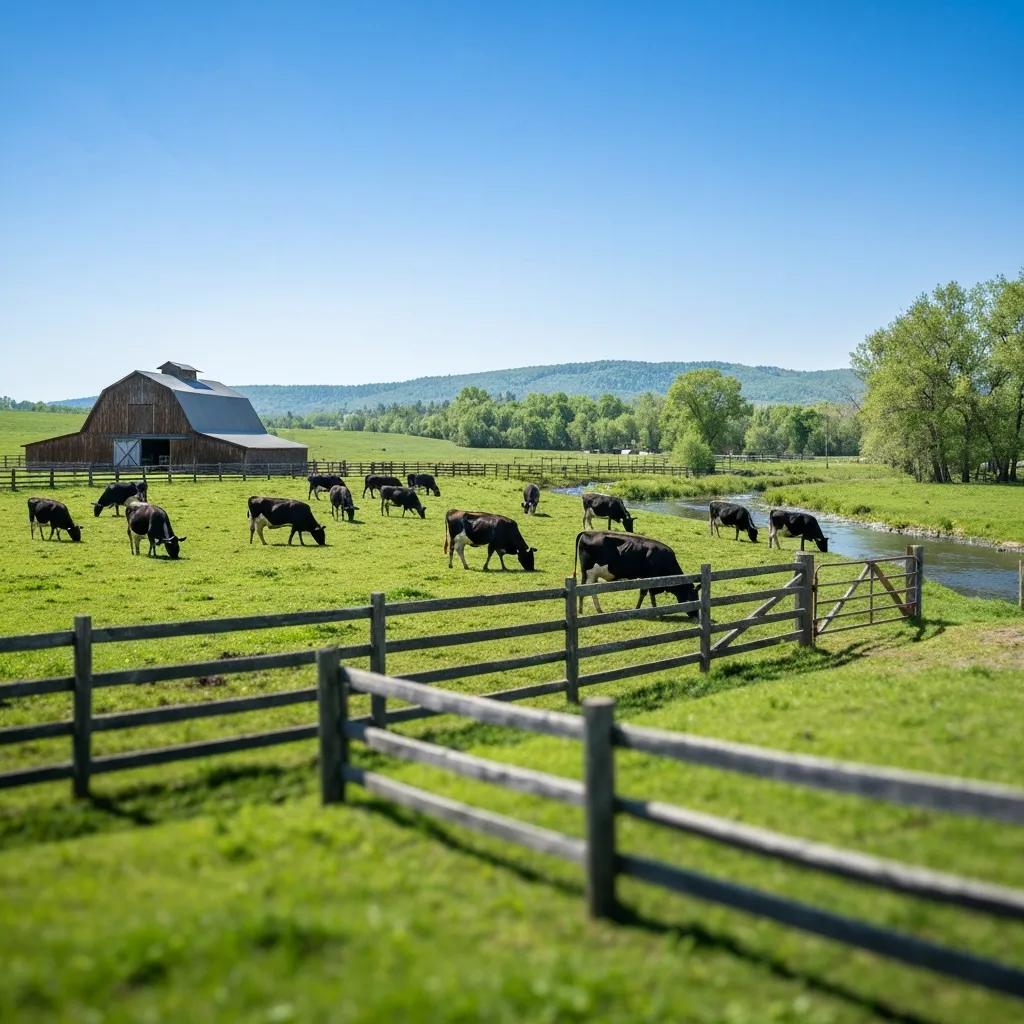
Buying a cow for meat near you means thinking ahead about freezer space, share sizes, and picking a supplier that values quality and clear information. This guide walks you through how bulk beef shares work, why heritage Corriente beef tastes different, and how to convert hanging weight into the take-home pounds you’ll actually store and cook. People choose bulk shares to save money, simplify meal planning, and source hormone-free, grass-fed grain-finished beef from local producers — here we lay out the steps to evaluate those choices. You’ll get straightforward definitions for whole, half, quarter, and 1/8th shares, realistic cut lists and packaging expectations, ordering and delivery notes for Arizona, and simple freezer-space calculations. Read on to learn how to buy a cow for meat near you, estimate costs with a half-cow example, and plan storage and cooking so your freezer beef is organized and ready when you need it.
Why Buy Bulk Beef Shares from Capital Farms?
Buying bulk beef shares lowers your per-pound cost, gives you more control over quality, and fills your freezer so meal planning is easier for months. Buying farm-direct cuts out middlemen, provides a full cut breakdown so you know what to expect, and helps families lock in reliable protein. At Capital Farms we focus on the Corriente heritage breed and regenerative ranching practices that support soil health and animal welfare while producing tasty, well-finished beef. Clear cut lists, transparent pricing, a 100% satisfaction guarantee, and pre-order options with local delivery simplify the process for Arizona buyers. Those practical benefits lead naturally into deciding which share size fits your household and freezer.
Our Freezer Beef collection offers pre-order shares in common sizes and highlights Corriente traits, regenerative methods, and cut breakdowns to help you choose. If you’re ready to shop, explore Capital Farms’ Freezer Beef collection for current share sizes and ordering details. Next, we’ll explain the share-size options you’ll typically see when buying bulk beef near you.
What Makes Corriente Beef Unique and Premium?
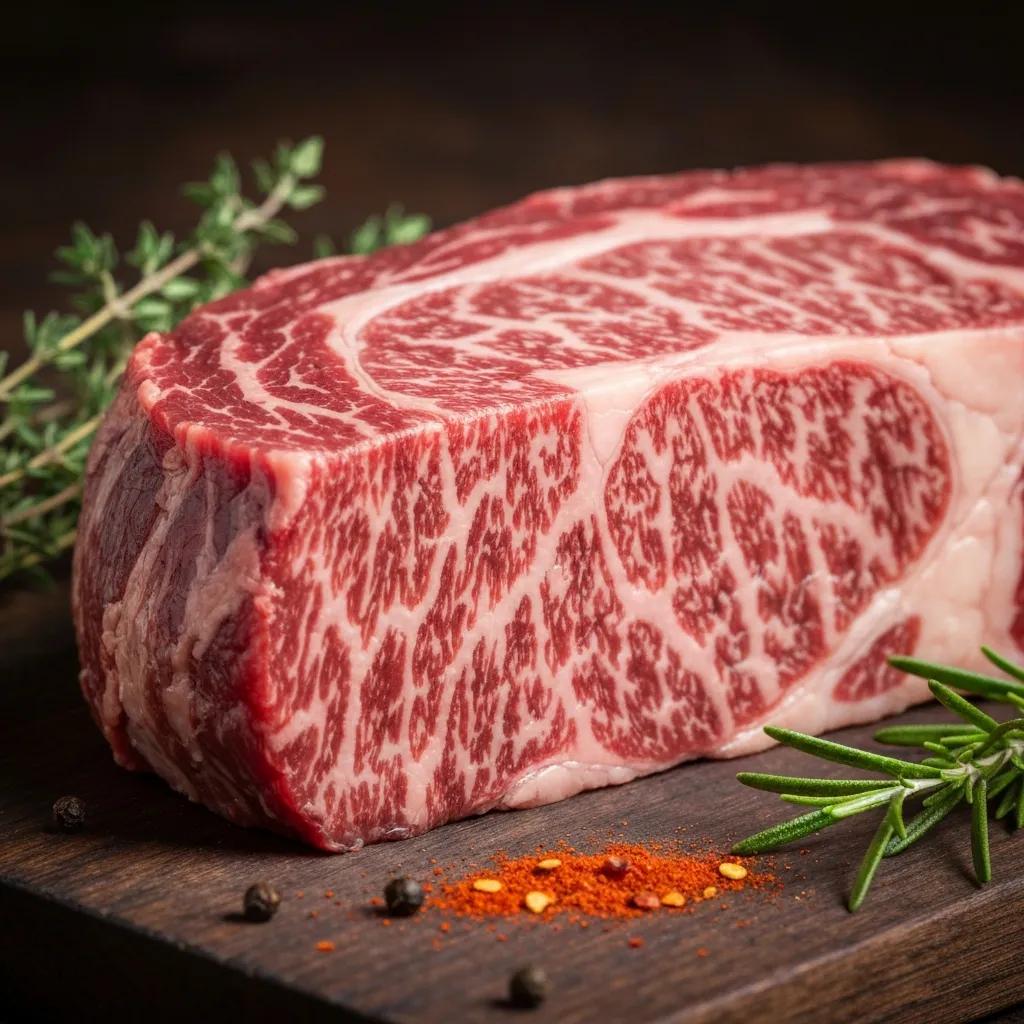
Corriente cattle are a heritage breed with leaner frames and a slower, more natural growth pace that creates a distinct flavor profile compared with commodity cattle. Raised on pasture and finished on grain, the breed develops appropriate marbling while keeping a firmer, nuanced texture. Beef from Corriente raised on regenerative systems often tastes deeper and more beef-forward — a favorite for cooks who like pronounced red-meat character in steaks and roasts. Knowing how breed and finishing affect flavor helps you choose the right share when you buy a half cow for meat near you.
The animals’ rearing timeline and finishing plan affect both eating quality and environmental outcomes, which naturally leads into why regenerative ranching matters for meat quality and sustainability.
How Does Regenerative Ranching Benefit Beef Quality and the Environment?
Regenerative ranching uses rotation grazing, native forages, and soil-building practices to strengthen pastures, improve animal health, and increase carbon storage on working ranches. These practices support healthier animals and can lead to better fat development and overall beef quality without routine hormone use — aligning with labels like hormone-free and grass-fed, grain-finished. For consumers, regenerative methods offer clearer traceability and a direct connection between land stewardship and the meat on your table, helping justify a farm-direct bulk purchase. Those environmental and flavor benefits inform sensible choices about share size, freezer space, and meal planning.
What Beef Share Options Are Available Near Me?
When you buy bulk beef shares, common choices are whole, half, quarter, and 1/8th shares — each portioning the carcass into steaks, roasts, and ground beef. Share sizes reflect a portion of hanging weight converted to take-home weight after trimming and processing; the right size depends on household consumption, freezer space, and budget. Below is a quick comparison showing typical hanging weights, expected take-home yields, price guidance, and common cuts for each share size to help you decide.
| Share Size | Typical Hanging Weight | Expected Take-Home Weight & Price | Common Cuts Included |
|---|---|---|---|
| Whole Cow | 500–650 lbs hanging | ~300–400 lbs take-home; price varies by provider | Full complement: ribeyes, strips, filets, roasts, ground |
| Half Cow | ~250–330 lbs hanging | ~158.5 lbs take-home (example) — price from $2,199 for a half share | Steaks (ribeye/strip), roasts, brisket, ground beef |
| Quarter Cow | ~125–165 lbs hanging | ~80–110 lbs take-home; mid-range price | Mix of steaks, roasts, ground for small families |
| 1/8th Share | ~60–85 lbs hanging | ~35–55 lbs take-home; most affordable per purchase | Limited steaks, several roasts, ground beef for couples |
This comparison highlights the yield vs. cost trade-offs and helps you match a share to your household size. Next we’ll unpack whole, half, quarter, and 1/8th shares so you can map yields to your needs.
What Does a Whole Cow Share Include and Cost?
A whole-cow share gives you the widest variety of cuts and the best per-pound price because you’re buying the entire carcass. Expect the full assortment of steaks — ribeye, New York strip, and filets — plus several roasts, brisket, shank, and a large amount of ground beef and stew meat. Prices vary by provider, cut options, and processing choices, but per-pound costs generally beat retail when you factor in heritage-breed quality. A whole share works well for large families, neighborhood co-ops, or anyone who plans to use beef regularly through the year.
If your freezer or household is smaller, a half share is often the more practical alternative, which we cover next.
How Much Meat Comes in a Half Cow Share?
A half cow usually yields about 150–180 pounds of take-home meat depending on trim and cut choices; one example of a premium Corriente half yields roughly 158.5 pounds. Comparable half shares can start around $2,199, making the half a useful benchmark when comparing per-pound costs to grocery prices. A typical half includes several steaks (ribeye, strip, filet where available), a range of roasts, chuck and round for braising, plus plenty of ground beef for everyday meals. For households of three to five or active cooking couples, a half share often balances variety, cost, and freezer needs.
This half-share example leads into smaller options — quarter and 1/8th shares — which suit smaller freezers or first-time buyers.
What Are Quarter and 1/8th Beef Shares?
Quarter and 1/8th shares scale bulk buying down for households with limited freezer space or lower year-round beef use. A quarter usually yields about 80–110 pounds of take-home meat and includes a representative selection of steaks, roasts, and ground beef — a good fit for small families. An 1/8th share is ideal for couples or individuals who want to try farm-direct beef without a large upfront commitment, typically yielding roughly 35–55 pounds and focusing more on roasts and ground beef than many steaks. These smaller shares lower the initial cost while preserving the traceability and quality advantages of buying direct from the farm.
Smaller shares are a helpful step toward understanding the cuts you’ll receive and how they’re portioned; the next section breaks that down.
What Cuts Will You Get When You Buy a Cow for Meat?
When you buy a cow for meat, the carcass is broken into primal and subprimal cuts that are portioned into steaks, roasts, and vacuum-sealed ground packages for easy freezing and cooking. Knowing which cuts are included helps you plan meals and portions — steaks like ribeye and New York strip are high-value, roasts are great for slow-cooked family dinners, and ground beef is everyday workhorse. The table below lists common premium cuts, recommended cooking methods, and typical package counts or weights so you can see how a share will translate into weekly meals.
| Cut | Best Cooking Method | Typical Package Weight/Qty |
|---|---|---|
| Ribeye | High-heat sear or grill | Several 10–16 oz steaks per half/whole share |
| New York Strip | Grill or pan-sear | Multiple 8–12 oz steaks depending on share size |
| Filet Mignon | Quick sear, high-heat finishing | Smaller count of 6–8 oz steaks, often in halves/wholes |
| Chuck Roast | Braise or slow-cook | 2–4 packages of 2–4 lbs each in larger shares |
| Ground Beef | Sauté, burgers, sauces | Bulk packed in 1–2 lb vacuum-sealed packages |
Which Premium Cuts Are Included in Each Beef Share?
Most shares include a predictable set of premium steaks and roasts based on share size: whole and half shares provide multiple ribeyes and strips, while quarter and eighth shares include fewer steaks but similar roast variety. You can typically expect ribeye, New York strip, and filet mignon among the premium steaks, with chuck and round available for braising and slow cooking, plus brisket and short ribs when included. Ground beef and stew meat are usually vacuum-sealed into meal-sized packs to extend freezer life and make cooking easier. Knowing expected counts helps you match the share to how you cook.
How to Understand Hanging Weight vs. Take-Home Weight?
Hanging weight is the carcass weight after slaughter and initial dressing; take-home weight is the packaged meat you receive after aging, trimming, deboning, and butchering — typically 55–65% of hanging weight depending on trim level. A simple rule: multiply hanging weight by 0.55–0.65 to estimate take-home pounds; for example, a half cow with a 300 lb hanging weight converted at 0.53 yields roughly 158.5 lbs take-home in one published example. Trim level, bone-in versus boneless choices, and custom cuts all affect final yield, so confirm your preferences with the processor before ordering. This difference matters for cost-per-pound comparisons and freezer planning.
How to Order and Receive Your Bulk Beef Near Me?
Ordering and receiving bulk beef typically means picking a share size, placing a pre-order or deposit, scheduling processing, and coordinating pickup or delivery. Clear steps reduce surprises — below is the common farm-direct ordering flow so you can plan timelines, payments, and logistics for local pickup or shipping. These steps reflect standard practices for pre-order freezer beef and help set expectations for arrival and storage.
- Select your share size and cutting specs, including trim level and packaging preferences.
- Place a pre-order or deposit to reserve an animal or share for an upcoming processing window and confirm estimated timelines.
- Schedule processing with the farm’s USDA-inspected processor and agree on pickup or delivery dates once the meat is packed and frozen.
- Pay the final balance, receive a cut list and box breakdown, and arrange local pickup or delivery logistics.
These steps outline the usual flow from decision to delivery and lead into details about timelines and Arizona-specific delivery options to expect.
What Is the Step-by-Step Process to Pre-Order Beef Shares?
To pre-order a beef share, first pick your share size and any custom butchering options, then secure your spot with a deposit and confirm processing dates with the USDA-inspected processor. After processing, you’ll get a cut list and exact take-home weights and pay any remaining balance before pickup or delivery. Turnaround times vary by season and processor capacity, so expect several weeks to a few months between deposit and delivery. Clear communication about freezing, vacuum sealing, and labeling ensures your meat arrives ready for immediate freezer storage and meal planning.
Confirming payment and packaging details leads into the specific shipping and local delivery options available in Arizona for nearby buyers.
What Are the Shipping and Local Delivery Options in Arizona?
In Arizona, local pickup and coordinated local delivery are common for receiving freezer beef — farms often work with refrigerated carriers or local drivers for short-distance delivery to protect frozen integrity. Packaging usually includes vacuum-sealed portions and insulated boxes with dry ice or frozen gel packs for transit, and local delivery within areas like Wickenburg cuts transit time and helps keep meat frozen. When arranging delivery, confirm temperature-control measures, transit times, and whether the farm drops off or you pick up at a local hub. Capital Farms offers pre-order shipping and local delivery options and stands behind a satisfaction guarantee to address any post-delivery concerns.
Knowing delivery options helps you plan unloading and naturally leads into calculating the freezer space you’ll need for your chosen share.
What Freezer Space Do You Need for Bulk Beef Shares?
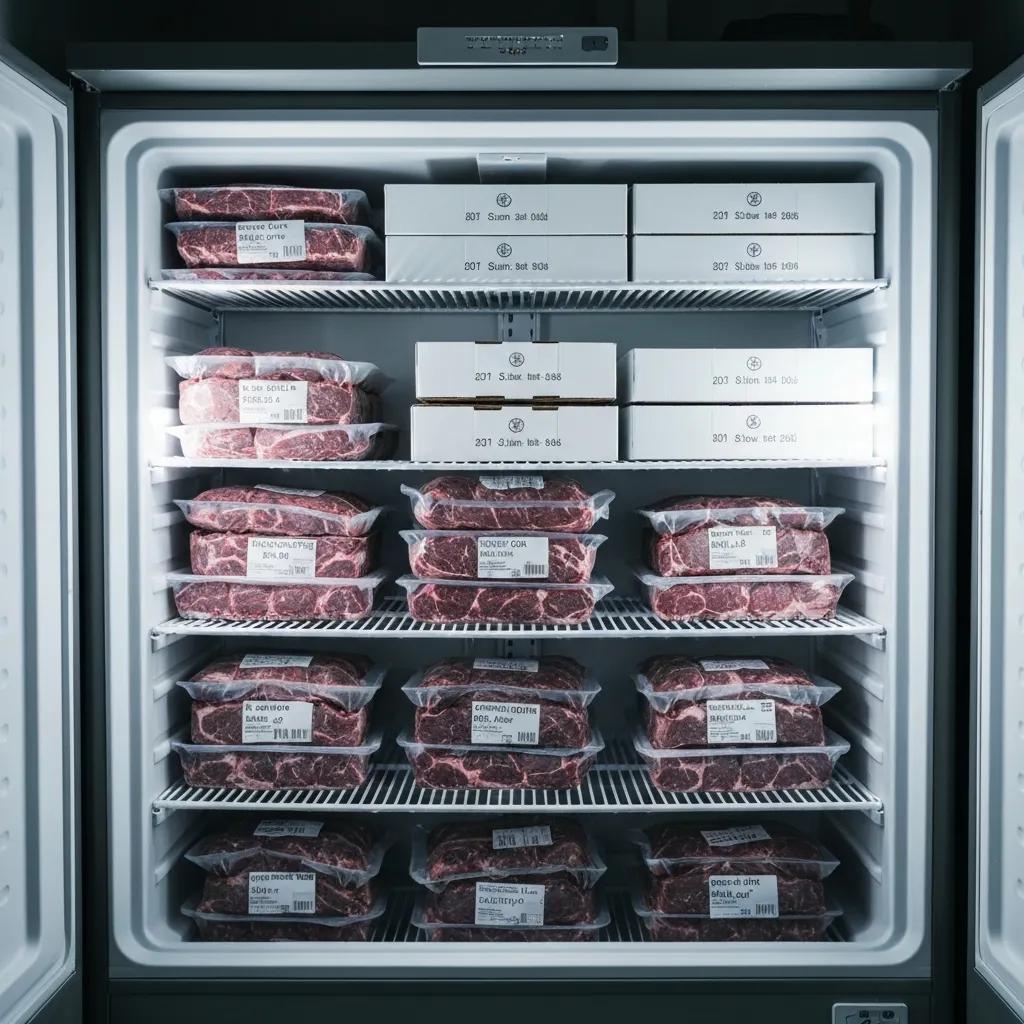
Estimating freezer capacity before purchase is important; a practical rule is 1.5–2.0 cubic feet per 25 pounds of take-home beef, though tight vacuum-sealing and flat stacking can reduce that need. Choose a freezer type — upright or chest — based on how you access and organize packages. The table below maps share sizes to recommended cubic feet and suggested freezer styles so you can match your choice to available storage.
| Share Size | Freezer Cubic Feet Estimated | Recommended Freezer Type & Tips |
|---|---|---|
| 1/8th Share | 2–4 cu ft | Compact upright or small chest; use bins for organization |
| Quarter Share | 6–8 cu ft | Small chest or upright; stack flat packages to save space |
| Half Share | 12–18 cu ft | Medium chest freezer preferred for bulk stacking and energy efficiency |
| Whole Share | 24–36+ cu ft | Large chest or multiple freezers; plan for long-term storage rotation |
How Much Freezer Capacity Is Required for a Half or Whole Cow?
A half cow typically needs about 12–18 cubic feet of freezer space depending on packaging and trim, while a whole cow can require 24–36 cubic feet or more — many buyers opt for a dedicated chest freezer. Vacuum-sealed, flat “brick” stacking saves space versus bulky bone-in cuts, so discuss packaging options with your processor to make the most of cubic footage. Measure your freezer’s internal cubic footage and compare it to the table estimates, leaving room for airflow and organization. Planning ahead prevents overcrowding and keeps a first-in, first-out rotation working smoothly.
What Are Best Practices for Storing Freezer Beef?
Good labeling, portioning, and rotation extend freezer life and simplify meal planning. Label each vacuum-sealed package with cut, weight, and pack date using a consistent date format, and group similar cuts together for easy retrieval. Use FIFO (first in, first out), portion large roasts into meal-sized packs when useful, and thaw safely in the refrigerator or under cold water when you need a faster option. Maintain steady freezer temperatures, use vacuum sealing to limit freezer burn, and keep a simple inventory list to reduce waste and make meal prep faster.
What Are the Benefits of Buying Beef Direct from a Farm Near Me?
Buying bulk beef from a local farm gives clearer traceability, often better eating quality, and strong value versus retail when you measure cost per pound. Farm-direct purchases let you choose trim level and custom cuts, support regenerative practices that help local ecosystems, and usually deliver attributes like hormone-free, grass-fed with grain-finish when specified. Below is a short worked example showing per-pound savings potential when you choose a half cow share instead of buying similar-quality cuts at retail.
- Compare a half-share take-home weight and price to grocery shelf prices for equivalent steaks and roasts.
- Divide total spend by take-home pounds to find the farm per-pound cost.
- Compare that to typical retail cost for the same cuts to see annual or per-meal savings.
How Does Buying Bulk Beef Save Money Compared to Grocery Stores?
Using the half-share example — about 158.5 take-home pounds at a starting price of $2,199 — you can calculate an approximate farm price per pound and compare it to retail steak and roast prices. If the half share’s effective per-pound cost is lower than retail for premium cuts, that savings adds up over dozens of meals and many months. Bulk buying also reduces trips to the store and lets you portion to avoid waste, improving overall value. These economics make bulk buying attractive if you have the freezer space and a plan to use the meat.
Why Choose Hormone-Free, Grass-Fed, Grain-Finished Beef?
Labels like hormone-free, grass-fed, and grain-finished describe production stages and choices that impact flavor, fat profile, and what to expect on the plate. Hormone-free means no routine growth-promoting hormones were used; grass-fed indicates pasture-based growth for much of the animal’s life; grain-finished signals a finishing period on grain to develop marbling and tenderness. Together, these practices shape taste and texture — balancing lean, pasture-derived character with the marbling grain finish provides — and perform well across grilling and slow-cooking methods. For buyers focused on flavor, traceability, and production practices, these attributes make a clear case for farm-direct purchases.
Those quality and value benefits explain why many people search “buy a cow for meat near me” and choose farm-direct freezer beef from responsible local producers.
Frequently Asked Questions
What is the difference between hanging weight and take-home weight?
Hanging weight is the carcass weight after slaughter and initial processing; take-home weight is what you actually receive after trimming, deboning, and packaging. Take-home weight typically runs about 55–65% of hanging weight. For example, a half cow with a 300 lb hanging weight can yield roughly 158.5 lbs take-home in one published example. Knowing this difference is key for budgeting and freezer planning.
How can I ensure the quality of the beef I purchase?
Look for suppliers that share clear cut lists and production details. Choose farms practicing regenerative ranching and raising heritage breeds like Corriente, and ask about hormone usage and feed. Read customer reviews and ask for recommendations — transparency and consistent communication from the farm are good signs of quality.
What are the best cooking methods for different cuts of beef?
High-value steaks like ribeye and New York strip do best with a quick, hot sear or on the grill. Tougher cuts such as chuck roast shine with low-and-slow braising to break down connective tissue. Ground beef is versatile — use it for sautéed dishes, burgers, or sauces. Matching cooking method to cut will get the most flavor and best texture from your share.
How do I calculate the cost-effectiveness of buying bulk beef?
Compare the total price of a bulk share to retail prices for equivalent cuts. For example, divide the half cow’s cost ($2,199) by its take-home weight (about 158.5 lbs) to get a per-pound figure, then compare that to grocery prices for the same-quality cuts. This comparison will show the potential savings over time, especially for frequent beef eaters.
What should I consider when choosing a freezer for bulk beef storage?
Consider size and type. A general guideline is 1.5 to 2.0 cubic feet per 25 pounds of meat. Chest freezers usually offer better energy efficiency and bulk storage, while uprights give easier access. Make sure you leave room for airflow and organization so packages aren’t crushed and rotation is simple.
What are the benefits of buying beef directly from a local farm?
Buying from a local farm gives you better traceability, often higher eating quality, and cost savings versus retail on a per-pound basis. Farm-direct purchases let you pick custom cuts and trim levels and support regenerative practices that benefit local land. That direct relationship also means fresher meat and a clearer understanding of how the beef was raised.
Conclusion
Buying a cow for meat near you can deliver real savings, better-tasting beef, and the satisfaction of supporting local farms. Understanding share sizes and the qualities of heritage breeds like Corriente helps you get the flavor and variety you want while backing sustainable practices. Choose farm-direct freezer beef to secure hormone-free, grass-fed, grain-finished options that lift your everyday meals. Browse our selection of premium beef shares to get started with a purchase that fits your family and freezer.