
Explore Top Options for 1 2 Cow for Sale Today
Half Cows: How to Buy a 1/2 Beef Share Online — Options, Prices, and What to Expect
Buying a half cow — often called a 1/2 beef share — is a practical way to stock a household freezer with vacuum-sealed cuts at a lower per-pound cost than shopping retail. This guide walks you through what to expect when searching for “1/2 cow for sale”: typical price ranges, how to calculate price-per-pound, where to source grass-fed half cows online, expected cuts and take-home yield, freezer planning, and the everyday benefits of buying in bulk. Many shoppers want clear answers about take-home weight, packaging, provenance, and the role regenerative ranching plays in flavor and nutrition; here you’ll find examples, simple calculations, and planning tools to help you compare offers. We also show how to assess breed and finish, estimate cubic feet for storage, and translate a half cow’s pounds into meals and monthly plans, plus quick-reference lists and tables to simplify the process.
How Much Does a Half Cow Cost in 2025? Understanding Half Beef Share Prices
Half-cow prices reflect several variables: breed and genetics, feeding and finishing practices, processing and packaging choices, and whether delivery or shipping is included. Those factors influence both hanging weight and final take-home pounds. Savvy buyers convert advertised whole/half prices into a price-per-pound based on take-home weight after processing and trimming — that gives a real unit cost for budgeting and meal planning. Understanding this pricing logic makes it easier to decide how much value you place on attributes like grass-fed, grain-finished finishing, or a heritage breed. Below we walk through a simple price-per-pound formula, the market ranges you’ll see in 2025, and a concrete example that makes the math straightforward.
What Is the Typical Price Per Pound for a Half Cow?
To find price-per-pound, divide the total purchase price by the take-home weight after processing and trimming — that number shows the cost of usable meat. In 2025 the market still spans a wide range: commodity bulk beef sits at the low end, while heritage, grass-fed, or Prime/Choice finished shares command higher prices. Expect variation based on processing choices and packaging. For accurate budgeting, always use take-home weight rather than hanging weight, and factor in any local handling or thawing costs. Converting the per-pound cost to price-per-meal (using your typical serving size) helps put the value in household terms and shows the savings compared with supermarket prices.
How Does Capital Farms’ 1/2 Premium Corriente Beef Compare in Price?
As a real example, consider our 1/2 Premium Corriente Beef listed at $2,199.00 with an estimated take-home weight of 158.5 lbs. Dividing $2,199.00 by 158.5 lbs gives the effective price-per-pound for usable meat. This illustrates how breed and finish — in this case a premium Corriente, hormone-free, grass-fed and grain-finished animal, USDA Prime/Choice range, raised 48+ months under regenerative practices — factor into both price and perceived value. When comparing offers, weigh the price-per-pound alongside vacuum-sealed packaging, confirmed take-home pounds, and processing details rather than focusing on the headline price alone. That way you can tell whether a premium matches the provenance and packaging you want.
Different buyers prioritize different features; using a transparent price-per-pound based on take-home weight is the clearest method to compare sellers and production models.
| Comparison Element | Characteristic | Example / Typical Value |
|---|---|---|
| Product price | Retail charge for half share | $2,199.00 (example: 1/2 Premium Corriente Beef) |
| Take-home weight | Usable meat after processing | ≈158.5 lbs (product example) |
| Price per usable pound | Product price divided by take-home weight | $2,199.00 ÷ 158.5 ≈ $13.87/lb |
| Industry low-to-high ranges | General 2025 market spread | Varies widely (commodity to heritage premium) |
Where to Buy Half a Cow: Top Sources for Grass-Fed Half Cow for Sale
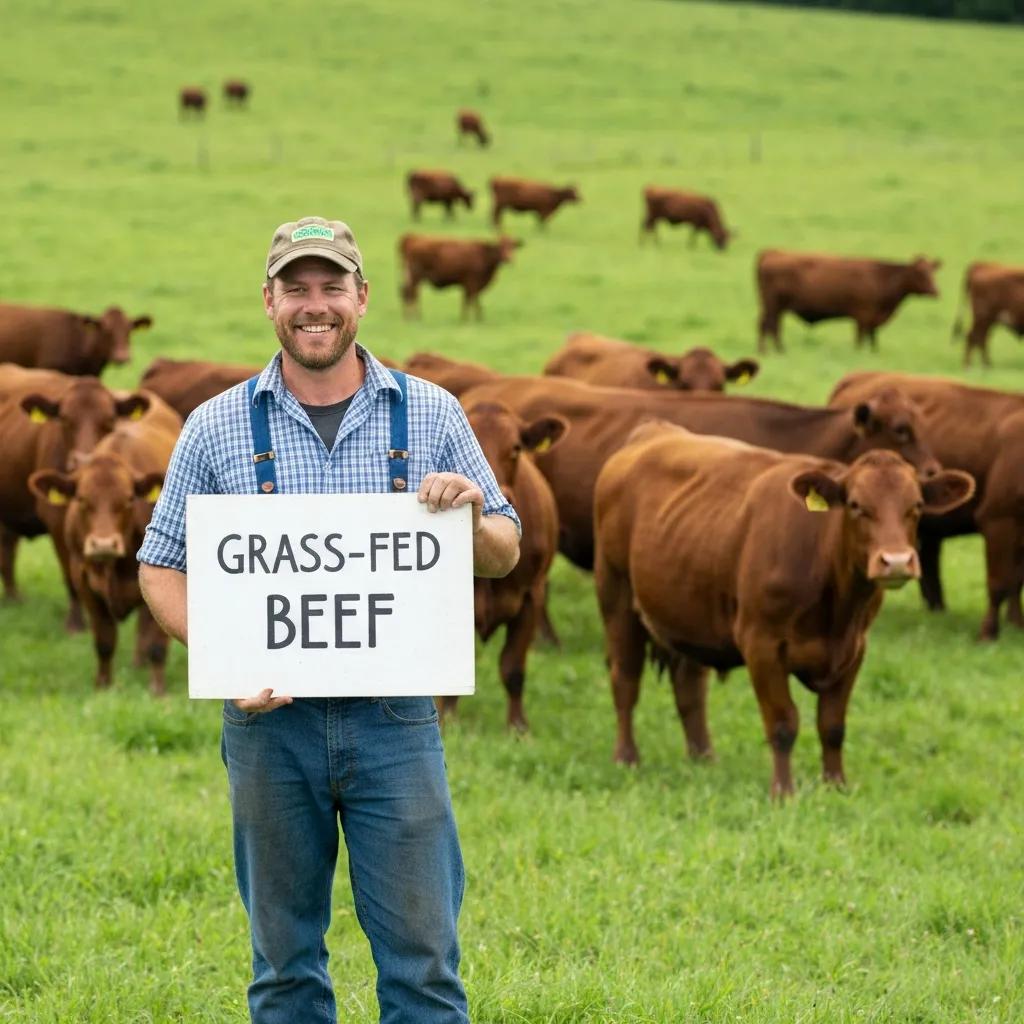
You can buy a half cow through several channels — direct farms, online marketplaces, subscription services, or local processors — and each has trade-offs in transparency, delivery, and price. Direct farms typically give the clearest provenance and breed details, while marketplaces prioritize convenience but sometimes obscure processing fees. When evaluating sellers, ask about take-home weight estimates, packaging (vacuum-sealed portions), processing fees, and delivery logistics so you can budget correctly and plan freezer space. Below we outline the main buying channels and explain why buying direct-to-consumer can be especially useful if you’re after a breed-specific option like Corriente.
- Direct-to-consumer farms: Clear provenance, pre-order windows, and choice over processing options.
- Online marketplaces and aggregators: Easy comparison shopping and shipping convenience, but watch for added processing or handling fees.
- Local farms with pickup: Save on shipping, inspect product in person, and support nearby producers.
All channels have advantages; direct farms usually offer the best traceability and let you prioritize attributes like regenerative ranching and breed-specific finishes.
Why Choose Capital Farms for Your Half Cow Purchase?
Capital Farms offers a direct-to-consumer option centered on one heritage choice: our 1/2 Premium Corriente Beef. It’s presented as hormone-free, grass-fed and grain-finished, USDA Prime/Choice in grade, and raised 48+ months under regenerative ranching practices — details that matter to buyers focused on provenance and stewardship. Buying direct typically means clearer timelines, explicit cut lists and packaging choices, and transparent take-home weights. If you want the Corriente profile — smaller-framed heritage animals with a distinctive flavor — buying from a specialized farm simplifies due diligence and sets realistic expectations for yield and unit cost.
How to Pre-Order and Receive Your Half Cow Directly from the Farm
Pre-orders usually start with a deposit or full payment, followed by choices for processing (sausage, grind percentage, steak thickness) and an estimated pickup or delivery window tied to the processor’s schedule. Delivery or shipping can add fees and may require refrigerated transport; some farms run regional drop-offs, others ship via carriers. Expect vacuum-sealed packs and clear labeling on delivery, and plan to inventory your boxes immediately to organize freezer space. Always confirm the timeline from order to delivery and whether processing choices are fixed or customizable before you finalize your order.
What Cuts Are Included in a Half Cow Share? Detailed Breakdown of Beef Cuts
A half cow share normally includes the full range of primal and sub-primal cuts that become steaks, roasts, stew meat, and ground beef, all vacuum-sealed for freezer use. Typical parts include rib and short loin steaks, sirloin, round roasts, chuck roasts, brisket, flank, and ground beef made from trimmings — usually portioned into standard pack sizes that make meal planning easier. Knowing which cuts and approximate counts you’ll get helps you plan meals, arrange freezer space, and estimate how many steaks versus grind you’ll have. Below we list common cut categories and give an example cut list.
- Steak cuts: Ribeyes, New York strips, and filets from the rib and short loin primals.
- Roasts: Chuck roasts, rump and round roasts for slow cooking and family meals.
- Grind and bulk: Ground beef in 1–2 lb packs for burgers, sauces, and everyday cooking.
- Specialty cuts: Brisket, short ribs, skirt and flank for smoking or specific recipes.
These categories reflect the usual balance between premium steaks and value-packed ground cuts most households need for varied meal planning.
| Cut (Example) | Typical Count / Weight | Example from Capital Farms |
|---|---|---|
| Ribeye steaks | 4–8 steaks, ~24–32 oz total | Included as portioned steaks in vacuum packs |
| NY strip / sirloin | 4–8 steaks | Packaged to customer-specified thickness |
| Chuck roasts | 3–6 roasts, ~6–10 lbs total | Sealed for slow cooking and pot roast |
| Ground beef | Multiple 1–2 lb packs, ~30–60 lbs total | Ground from trimmings and packaged |
Which Steaks, Roasts, and Ground Beef Are Included in Capital Farms’ Half Cow?
Our 1/2 Premium Corriente Beef is balanced to include steaks, roasts, specialty cuts, and ground beef — all vacuum-sealed for easy freezer rotation. The share lists an expected take-home yield and typical packaging choices so customers receive meal-sized packs along with larger roasts for family dinners. Vacuum sealing reduces freezer burn and simplifies labeling, and pairing premium steaks with ample ground beef gives you flexibility in everyday cooking. When you place an order, confirm steak counts and grind percentages so the final mix matches your household’s preferences.
How Much Meat Do You Get and What Is the Take-Home Weight?
Take-home weight is the total usable meat returned after processing, trimming, and packaging — use this figure for price-per-pound calculations and freezer planning. Hanging weight (the carcass weight before trimming) will be higher, but take-home weight is what matters for storage and unit cost; many sellers publish both for transparency. In our example the stated take-home weight is about 158.5 lbs, which forms the basis for price-per-pound and meal-count estimates. Use take-home pounds to figure how many 6–8 oz servings, roasts, and burger packs you’ll get from the share.
How Much Freezer Space Do You Need for a Half Cow? Storage and Preservation Tips
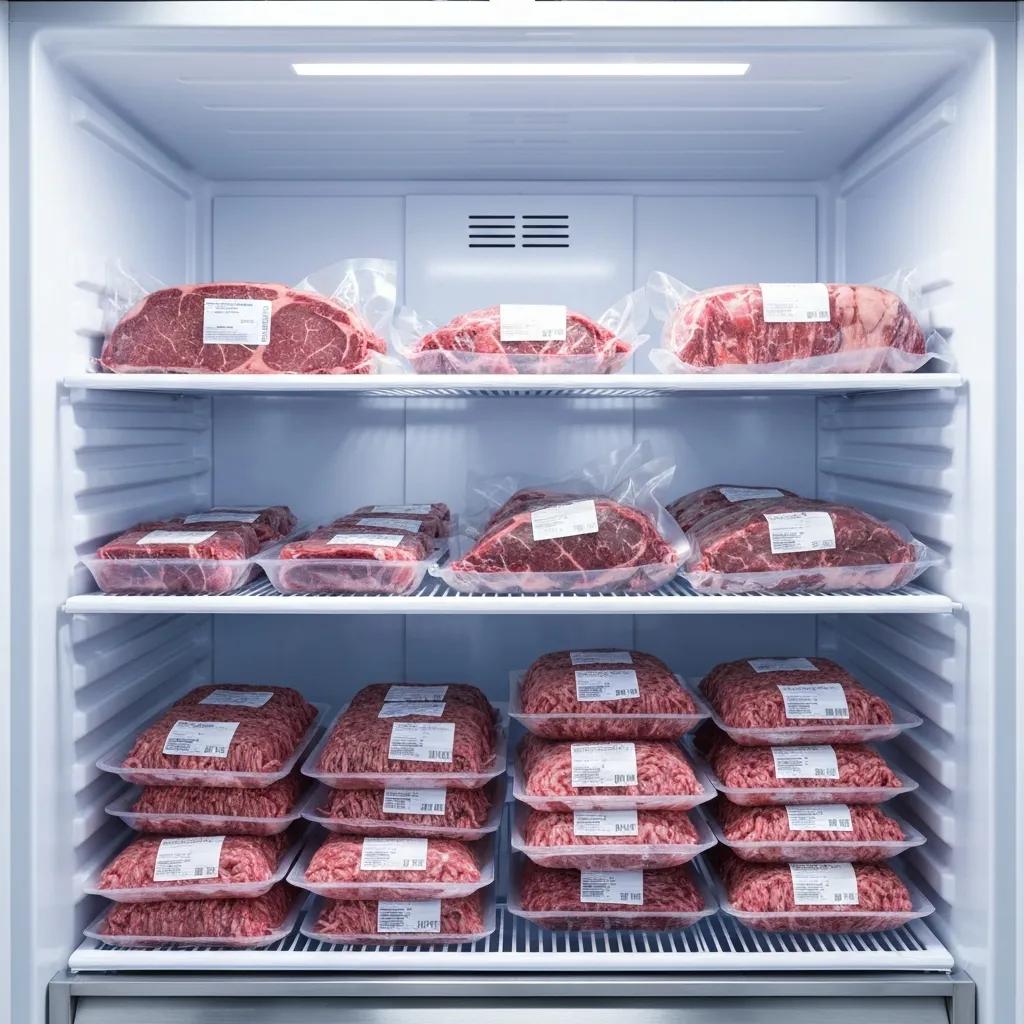
Freezer space depends on how meat is portioned and wrapped: vacuum-sealed retail-style packs are denser and use less room than loose bulk boxes. A well-packaged half cow typically needs about 10–12 cubic feet for a common mix of steaks, roasts, and ground packs, though compact packing and flat vacuum pouches can reduce that footprint. Plan for airflow and organization — use bins, an inventory sheet, and clear labels by cut and pack date — to make thawing and rotation simpler and protect quality. Below we include a compact cubic-foot guide and best-practice tips for packaging and thawing.
Estimating freezer needs helps you choose between a chest freezer, upright model, or borrowed space and confirms whether a half cow fits your household setup.
| Item | Typical Pack Size | Cubic Feet Required |
|---|---|---|
| Steaks & roasts (vacuum packs) | 1–3 lb packs | 0.8–1.5 cu ft per 10–15 packs |
| Ground beef (1–2 lb packs) | 1–2 lb packs | 0.5–1.0 cu ft per 10–20 packs |
| Bulk roasts/brisket | 3–10 lb pieces | 1.0–2.0 cu ft each |
What Are the Best Practices for Storing Bulk Beef at Home?
Start by vacuum-sealing and portioning into meal-sized packs to avoid repeated thaw cycles that sap quality. Label each pack with the cut and pack date, group similar cuts together for faster retrieval, and maintain an inventory you update when you remove packages. Keep your freezer at or below 0°F and avoid placing newly added packs near the door where temperature fluctuates most; leave space for airflow around stacks when possible. These habits reduce waste and make meal planning easier, so you use the most time-sensitive cuts first.
How Long Does Half a Cow Last When Properly Stored?
Frozen beef stays safe for long periods, but quality varies by cut: steaks and roasts are best within 6–12 months for peak flavor and texture, while ground beef is best used within 3–4 months for top quality (though it remains safe longer if continuously frozen). Vacuum sealing extends quality by limiting freezer burn and oxidation compared with basic wrap; properly sealed items can remain acceptable beyond a year, but taste and texture may decline. Use first-in, first-out rotation and plan dishes that use quicker-turn cuts earlier to preserve overall quality.
Why Buy a Grass-Fed Half Cow? Benefits of Premium Corriente Beef and Sustainable Ranching
Buying a grass-fed half cow gives you control over meat quality, traceability, and often a different flavor profile versus conventional beef. A short grain finish can add complexity while keeping grass-fed character. Heritage breeds like Corriente tend to be leaner, deliver concentrated flavor, and show a different fat composition — qualities that appeal to cooks looking for a distinctive beef profile. Regenerative ranching practices support soil health, biodiversity, and animal welfare, outcomes some buyers consider part of the product’s value. The sections that follow describe Corriente traits and explain how regenerative practices can influence meat quality and environmental impact.
- Health and nutrition: Grass-fed systems can shift fatty-acid profiles and overall meat composition.
- Flavor: Heritage breeds and pasture finishing often produce more pronounced, complex flavors.
- Sustainability: Regenerative practices aim to improve soil health and sequester carbon while supporting animal welfare.
These combined benefits give many buyers both culinary and values-based reasons to choose a grass-fed half cow.
What Makes Corriente Beef Unique Compared to Other Breeds?
Corriente cattle are a smaller-framed heritage breed that often delivers a concentrated beef flavor and a distinctive texture compared with larger commercial breeds. Smaller cuts can mean more intensely flavored portions, an advantage if you value taste variety over uniform retail-sized steaks. Corriente cuts work well pan-seared, grilled, or slow-cooked, and understanding these breed traits helps you decide whether a Corriente half cow matches your cooking and portion preferences.
How Does Regenerative Ranching Impact Beef Quality and Sustainability?
Regenerative ranching emphasizes rotational grazing, soil-building, and biodiversity — practices that improve pasture health and can enhance forage quality over time. Healthier soils grow more nutrient-rich forage, which supports animal condition and can influence meat attributes like fat composition and flavor intensity. Regenerative systems also aim to reduce external inputs and boost carbon sequestration, offering an environmental argument for buyers who weigh sustainability alongside taste and price. These systems require clear stewardship and transparency, so shoppers often look for documented practices when evaluating producers.
What Are the Advantages of Buying Bulk Beef Shares? Cost Savings, Meal Planning, and Convenience
Buying a half cow typically lowers the per-unit cost of quality beef, removes frequent supermarket trips, and smooths out price volatility, while giving you freezer security and predictable meal planning. Bulk purchases let you choose processing options that suit your household — grind ratios, steak thickness, portion sizes — which reduces waste and stabilizes monthly food costs. Converting the share price into cost-per-meal and running scenarios for different household sizes makes the savings concrete. Below we cover the meal-count math and the practical lifestyle and financial benefits of a half-cow share.
- Cost predictability: Lock in a per-pound price and avoid seasonal spikes.
- Custom processing: Set grind ratios and portion sizes to reduce waste and simplify cooking.
- Convenience: One delivery or pickup supplies months of meals and cuts down on shopping.
These advantages are why many households choose half-cow shares for a reliable mix of quality, value, and convenience.
How Many Meals Can You Expect from a Half Cow Share?
Estimate meals by converting take-home pounds into typical serving sizes. For example, with a 6-oz cooked serving, about 158.5 lbs of raw take-home meat can translate to roughly 400–420 servings after cooking yields and trim are considered, depending on portions and recipes. Model different scenarios — single person, couple, family of four — by adjusting serving sizes and meal frequency to see how long a share will last. Label packages by intended use (grill steaks, weeknight mince, roast dinners) to streamline rotation and get the most from the share. Running these calculations before you buy clarifies whether a half cow fits your consumption and freezer space.
How Does Buying Bulk Beef Save Money Compared to Retail?
Bulk beef lowers the price-per-usable-pound through scale and reduces waste from small retail packages and impulse buys. The savings become clear when you compare price-per-pound of vacuum-sealed take-home weight to local supermarket prices. Hidden savings include fewer shopping trips and less exposure to seasonal spikes on premium cuts. For precise budgeting, calculate cost-per-meal from the share price and compare it to your local grocery basket, and include storage or delivery fees for an apples-to-apples ROI.
- Lower unit cost: Bulk buying cuts the per-pound price versus single-cut retail purchases.
- Less waste: Custom portions and vacuum sealing reduce spoilage and repeated thaw cycles.
- Stable supply: One purchase secures a long-term supply and buffers you from market swings.
These financial and practical benefits explain why many households view half-cow shares as a smart combination of quality, value, and convenience.
Frequently Asked Questions
What are the benefits of buying a half cow compared to purchasing individual cuts?
Buying a half cow gives you a lower cost per pound, a steady supply of high-quality beef, and the ability to customize processing (grind ratios, cut sizes, steak thickness). It reduces shopping trips, helps with meal planning, and can cut waste by letting you portion meat to your household’s needs.
How can I ensure the quality of the beef I purchase?
Source from reputable farms that share clear details about breeding, feed, and processing. Look for information on grass-fed or organic claims, read customer reviews, and — when possible — visit the farm or ask for documentation of practices. Proper packaging (vacuum-sealed, clearly dated) is also a good quality indicator.
What should I consider when planning freezer space for a half cow?
Consider your total take-home weight and the packaging format. A well-packaged half cow generally needs about 10–12 cubic feet. Organize by cut, label packages with dates, use bins or shelves to maximize airflow, and keep an updated inventory to ensure you use older packs first.
How does the flavor of grass-fed beef differ from grain-fed beef?
Grass-fed beef often tastes more earthy and can be leaner with a firmer texture compared with grain-fed beef. A short grain finish can add marbling and complexity while keeping grass-fed character. Many cooks appreciate the distinct flavor and the different fat profile that grass-fed systems can produce.
What are the environmental benefits of choosing grass-fed beef?
Grass-fed systems that use regenerative practices can improve soil health, boost biodiversity, and increase carbon sequestration. These practices often reduce reliance on synthetic inputs and promote better animal welfare. Choosing grass-fed beef supports producers focusing on those outcomes.
How can I calculate the cost savings of buying a half cow?
Divide the total price by the take-home weight to get the price per usable pound, then compare that to current retail prices for similar cuts. Factor in fewer shopping trips and seasonal price avoidance, plus any storage or delivery costs, to see your true savings.
What are some meal planning tips for using a half cow share?
Categorize cuts on arrival and plan meals around them: set days for steaks, slow-cooked roasts, and ground-beef dishes. Label packages with intended uses and dates, batch-cook and freeze prepared meals when convenient, and rotate using first-in, first-out to minimize waste.
Conclusion
Buying a half cow delivers clear benefits: lower unit costs, better control over quality and provenance, and greater meal-planning flexibility. This guide covered pricing, sourcing, storage, and practical tips so you can make an informed choice. If you’re ready to explore premium, grass-fed half-cow options, check our selection today and consider how a bulk share can elevate your kitchen while supporting sustainable ranching practices.