
buy a whole cow butchered near me
Order a Whole Cow Butchered Near You — Premium Grass‑Fed Corriente from Capital Farms
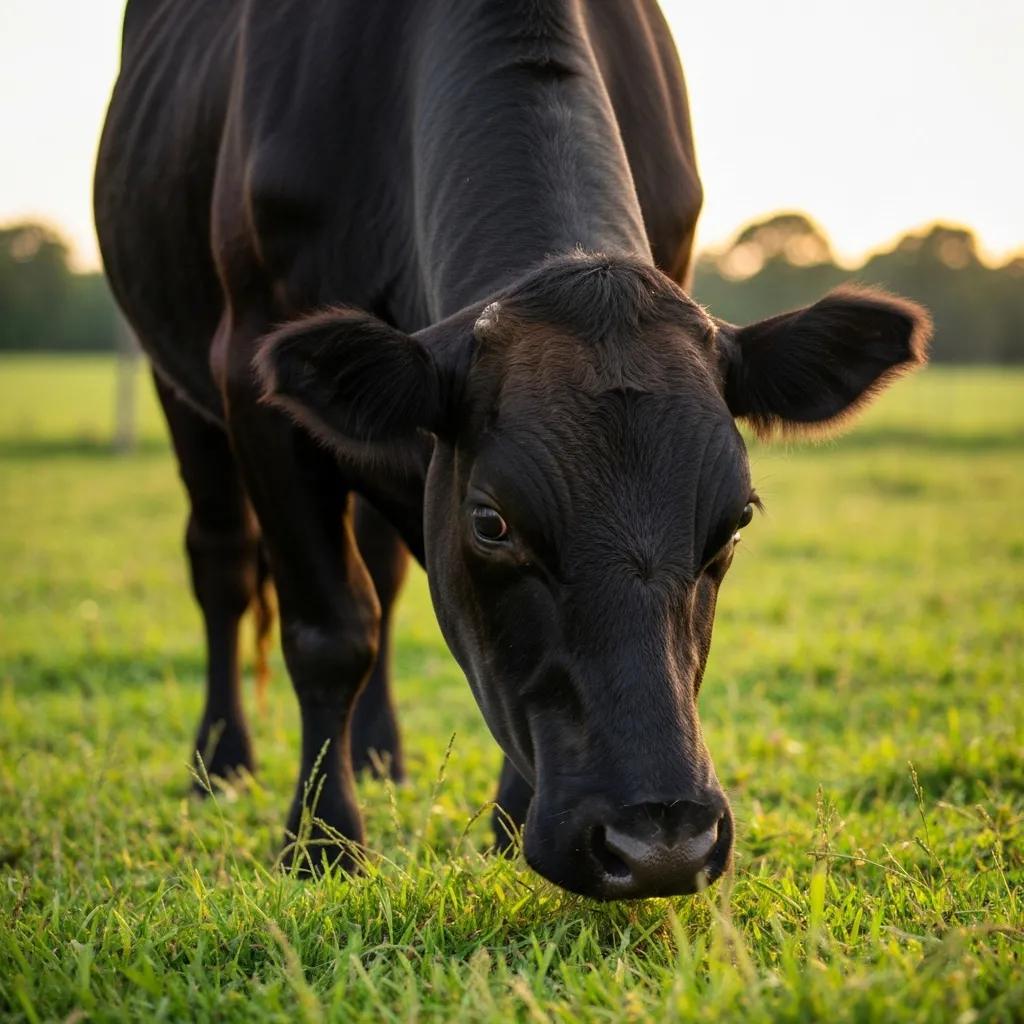
Buying a whole cow and having it butchered locally is one of the smartest ways to keep your household or small restaurant stocked with consistent, high‑quality beef while choosing the exact cuts and processing you want. This guide walks you through what a whole‑cow purchase includes, how hanging weight converts to take‑home weight, the custom butchering steps, pricing mechanics, and practical freezer planning — so you can confidently decide where to buy whole‑cow beef near you. You’ll learn how breed, feeding, and ranching methods affect flavor and yield, how to fill out a cut sheet, what packaging and delivery usually look like, and how to calculate freezer space and total cost. Whether you want lean Corriente steaks for the grill or big roasts for low‑and‑slow cooking, the examples here map the process from order to freezer. We’ll use terms like hanging weight, take‑home weight, vacuum‑sealed packaging, and freezer cubic feet to keep planning practical and comparable across local butchers and direct‑to‑consumer farms.
What Does Buying a Whole Cow Butchered Near Me Include?
A whole‑cow order typically delivers the full range of primal and subprimal cuts plus a measured portion of ground beef and trim based on your cut sheet. You’ll get a mix of steaks (ribeye, strip, sirloin), roasts (chuck, rump), braising pieces (brisket, shank), and bulk ground beef — all influenced by hanging weight and your trimming choices. Knowing the expected cut mix and approximate poundage helps you plan meals, estimate cost per edible pound, and size your freezer. Below we list common cuts, typical uses, and representative quantities so you can compare local butcher offers and direct‑from‑farm options.
Which Cuts Are Included in a Whole Cow Share?
A whole‑cow share generally includes every usable primal, portioned into consumer‑ready cuts and packaged to your cut‑sheet instructions. Expect ribeye steaks for the grill, strip and sirloin for quick sears, chuck roasts for pot roasts, briskets for smoking, and a sizable amount of ground beef for everyday meals. Butchers will portion steaks to your chosen thickness and set aside trim for grind blends with the fat ratio you request. Packages are vacuum‑sealed and labeled with cut and weight to make thawing and rotation simple.
Note: exact poundages vary by animal size, breed, and trimming level. The table below gives representative estimates to help with planning.
| Cut | Typical Pounds per Whole Cow | Typical Use |
|---|---|---|
| Rib/Ribeye (steaks and roasts) | 40–60 lbs | Grilling, high‑heat searing |
| Sirloin/Strip | 50–70 lbs | Steaks, quick roasts |
| Chuck (roasts, stew meat) | 80–100 lbs | Slow cooking, braising |
| Brisket | 20–40 lbs | Smoking, slow‑roast |
| Round (roasts, steaks) | 80–120 lbs | Roasts, deli‑style cuts |
| Ground beef & trim | 200–350 lbs | Burgers, sauces, daily cooking |
How Is Hanging Weight Different from Take‑Home Weight?
Hanging weight (carcass weight) is the animal’s weight after slaughter and removal of non‑meat parts but before trimming and fabrication. Take‑home weight is what you actually receive after bones, excess fat, and trim are removed and packages are prepared. Typical yield from hanging to take‑home ranges from roughly 55% to 70%, depending on bone‑in vs boneless choices, trim level, and butchering style. For example, a 1,200 lb live animal could yield a 720 lb hanging carcass and about 400–500 lbs of packaged, ready‑to‑freeze beef. Knowing these conversion factors makes pricing comparisons by hanging pound meaningful and helps you estimate usable pounds for meal planning.
Keep in mind: the final amount of packaged meat will be lower than hanging weight, and further processing (curing, smoking) will reduce finished volume even more.
Quantifying Take‑Home Meat Yield from Hanging Carcass Weight
Final take‑home yield is always lower than the hanging carcass weight. Additional processing steps — like curing or smoking — reduce the finished product’s weight further.
From Pig to Pork Chop: How Much Meat to Expect from a Butcher Hog, 2021
Understanding how yield and trim choices affect take‑home pounds naturally leads to the cut‑sheet decisions explained next.
Capital Farms example (contextual): We raise premium Corriente beef using regenerative practices in Arizona and offer half and whole cow options direct‑to‑consumer with pre‑orders and shipping. As a transparent example, a recent half‑cow listing showed a pre‑order price of $2,199.00 for a half share of Premium Corriente beef; compare that figure to local butcher quotes per hanging pound and confirm what processing and shipping are included before you order.
Why Choose Capital Farms’ Grass‑Fed, Grain‑Finished Corriente Beef?
At Capital Farms we focus on the Corriente breed and regenerative ranching to produce beef that’s lean, flavorful, and finished for tenderness. Corriente cattle are efficient foragers with a lean muscle profile that, when finished properly, yields a distinctive texture and full beef flavor. Regenerative practices improve pasture health and animal welfare, and that healthier forage can influence meat quality. Choosing a supplier that clearly communicates breed, finishing, and ranching practices makes it easier to compare flavor expectations and sustainability claims when you’re buying whole‑cow beef.
Below are concise benefits of Corriente beef and how regenerative ranching ties into quality so you can weigh taste and sustainability when choosing a source.
- Corriente delivers a lean, beefy profile that grills beautifully and braises well.
- Grass‑fed, grain‑finished programs can add finishing marbling while keeping a lean base for tenderness.
- Regenerative ranching supports soil and pasture health, which improves forage quality and animal welfare.
What Are the Benefits of Corriente Beef Compared to Other Breeds?
Corriente typically offers a leaner carcass with concentrated beef flavor and less external fat — appealing if you want robust taste without heavy marbling. When finished correctly, Corriente can be as tender as many conventional breeds, while offering flavor notes that suit both quick, high‑heat cooking and long, slow methods. Practical advantages include efficient feed conversion on diverse pastures and a carcass that yields a balanced mix of steaks, roasts, and ground beef. Knowing these traits helps you choose cuts and portion sizes that match your cooking habits.
Use this breed insight to set cut and finish preferences on your cut sheet — especially helpful when ordering a whole or half cow share.
How Does Regenerative Ranching Impact Beef Quality and Sustainability?
Regenerative ranching uses techniques like rotational grazing, cover crops, and reduced chemical inputs to build soil health, increase biodiversity, and strengthen pastures. Healthier forage and lower animal stress can change beef’s fatty‑acid profile and overall flavor. From an environmental standpoint, regenerative practices aim to sequester carbon, reduce erosion, and improve water retention on ranchlands — giving buyers a climate‑conscious sourcing option. For consumers, the benefits include traceable production and a focus on animal welfare that complements breed‑focused quality.
Knowing how ranching practices affect both environment and meat quality helps you ask focused sourcing questions when comparing “near me” options or direct‑to‑consumer offers.
How Does Custom Butchering Work for Whole Cow Orders?
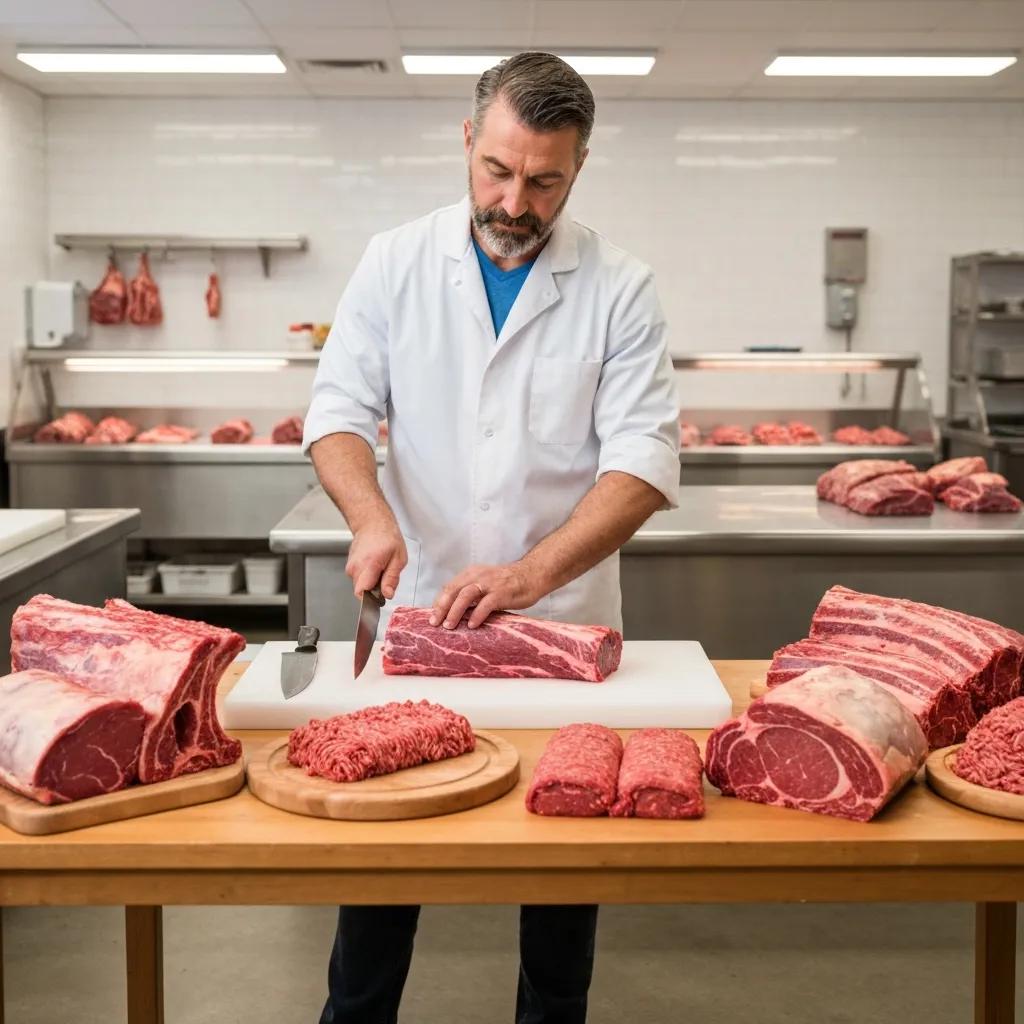
Custom butchering for whole‑cow orders follows a clear workflow: order, slaughter, carcass hanging, cut‑sheet selection, and final packaging, with checkpoints to confirm hanging weight and packaging specs. You choose a whole, half, or quarter share when ordering; after slaughter we hang the carcass for aging, then you submit a cut sheet to pick steak thickness, roast sizes, and grind percentages. The processor completes the cuts, vacuum‑seals and labels packages, and schedules pickup or shipping. Clear communication about default trims, bone‑in vs boneless, and grind specs ensures the finished boxes match your needs.
The numbered list below summarizes the typical timeline and who does what so you can follow the process from order to pickup or delivery.
- Order placement and deposit: you secure your animal share and set expected processing timelines.
- Slaughter and hanging: the carcass is processed and hung for aging to improve tenderness.
- Cut‑sheet submission: you specify cut choices, steak thickness, roast sizes, and grind instructions.
- Final processing, packaging, and labeling: the butcher finishes the cuts, vacuum‑seals portions, and schedules pickup or shipping.
What Are the Custom Cut Options Available?
Custom options let you tailor steak thickness, roast sizes, and how much is reserved for grinding to match your cooking habits. Typical choices include steak thickness (for example, 1" vs 1.25"), bone‑in or boneless, roast sizes (2–5 lb or larger family roasts), and grind ratios (for example, 20–30% of total as ground beef with a target lean‑to‑fat mix). You can also request value‑added items like stew meat, pre‑cubed kabob portions, or specific steak counts per package. Many households find a balanced split is roughly 20–25% ground beef, 30–40% steaks, and the rest roasts and braising cuts.
Making these selections up front keeps processing fees predictable and ensures packaging aligns with your freezer organization plan, which we cover shortly.
How Is the Beef Packaged and Delivered?
Standard packaging includes commercial‑grade vacuum sealing, clear labeling with cut and weight, and frozen stabilization for pickup or shipping.
Vacuum sealing reduces freezer burn, extends storage life, and stacks efficiently; labels identify cut, weight, and pack date so you can rotate stock easily.
Delivery options include local pickup at the processor or cold‑chain shipping arranged by the producer. Shipped orders use insulated boxes with dry ice or gel packs and expedited transit to protect quality. Processing schedules determine timing, so expect pre‑order windows and communicated ship dates.
Knowing packaging and delivery practices helps you choose between local pickup and shipped orders and informs the freezer planning below.
Capital Farms contextual example: We offer custom packaging for Corriente beef with vacuum‑sealed labeling and direct‑to‑consumer shipping; always confirm packaging choices and cold‑chain handling when comparing local butchers to farm direct options.
How Much Does a Whole Cow Cost and What Are the Pricing Details?
Whole‑cow pricing is usually quoted in two parts: the base price per hanging pound for the beef and separate processing or butchering fees. The hanging‑pound price covers the animal and is multiplied by the estimated hanging weight; processing fees cover cutting, vacuum‑sealing, aging, and any custom requests. A simple way to estimate total cost is to multiply the quoted price per hanging pound by expected hanging weight and add processing and shipping or pickup fees. Clear disclosure of hanging weight estimates and processing fee schedules makes it easier to compare providers and evaluate per‑edible‑pound costs.
Below is a pricing table that clarifies the common metrics buyers use to estimate total cost before placing an order.
| Pricing Metric | Typical Range / Example | Explanation |
|---|---|---|
| Price per hanging pound | $3.00–$6.00 (varies widely) | Base animal cost before processing |
| Estimated hanging weight (whole cow) | 600–900 lbs | Carcass weight after slaughter |
| Estimated take-home weight | 330–630 lbs | Final packaged weight after trimming |
| Processing & packaging fee | $0.50–$1.50 per lb or flat fees | Cuts, vacuum‑seal, labeling, and aging |
| Sample total (half cow example) | $2,199.00 (example listing) | Example: half‑cow listing price for a premium Corriente half share |
What Is the Price Per Pound and Total Estimated Cost?
Estimate total cost by multiplying the quoted price per hanging pound by the expected hanging weight, then add processing and any shipping charges. For example, at $4.00 per hanging pound on a 700 lb hanging carcass, the base beef cost is $2,800. If processing runs about $1.00 per finished pound for roughly 400 lbs take‑home, add around $400, for a rough total near $3,200 before shipping. Working in per‑pound math lets you compare farm listings and butcher shop quotes fairly. Always ask sellers for recent hanging‑weight examples to refine your estimate.
Some providers list fixed‑price half or whole shares; for instance, a half‑cow pre‑order price of $2,199.00 is a concrete marketplace data point to compare against per‑pound quotes.
Are There Additional Processing or Shipping Fees?
Yes. Common extras include custom cutting surcharges, vacuum‑seal per‑package charges, organ or offal handling fees, aging or dry‑aging premiums, and shipping or pickup surcharges. Fee structures vary: some butchers bill per finished pound, others use flat fees for whole or half animals; shipping is typically added based on distance and cold‑chain needs. Typical processing ranges run $0.50–$1.50 per finished pound, or flat fees in the hundreds for whole‑animal processing; shipping depends on carrier and insulation. Get each fee component in writing before paying a deposit so your final invoice matches expectations.
Knowing the fee breakdown helps you decide whether local pickup (to save on shipping) or farm shipping better suits your budget and timeline.
How Much Freezer Space Do I Need for a Whole Cow?
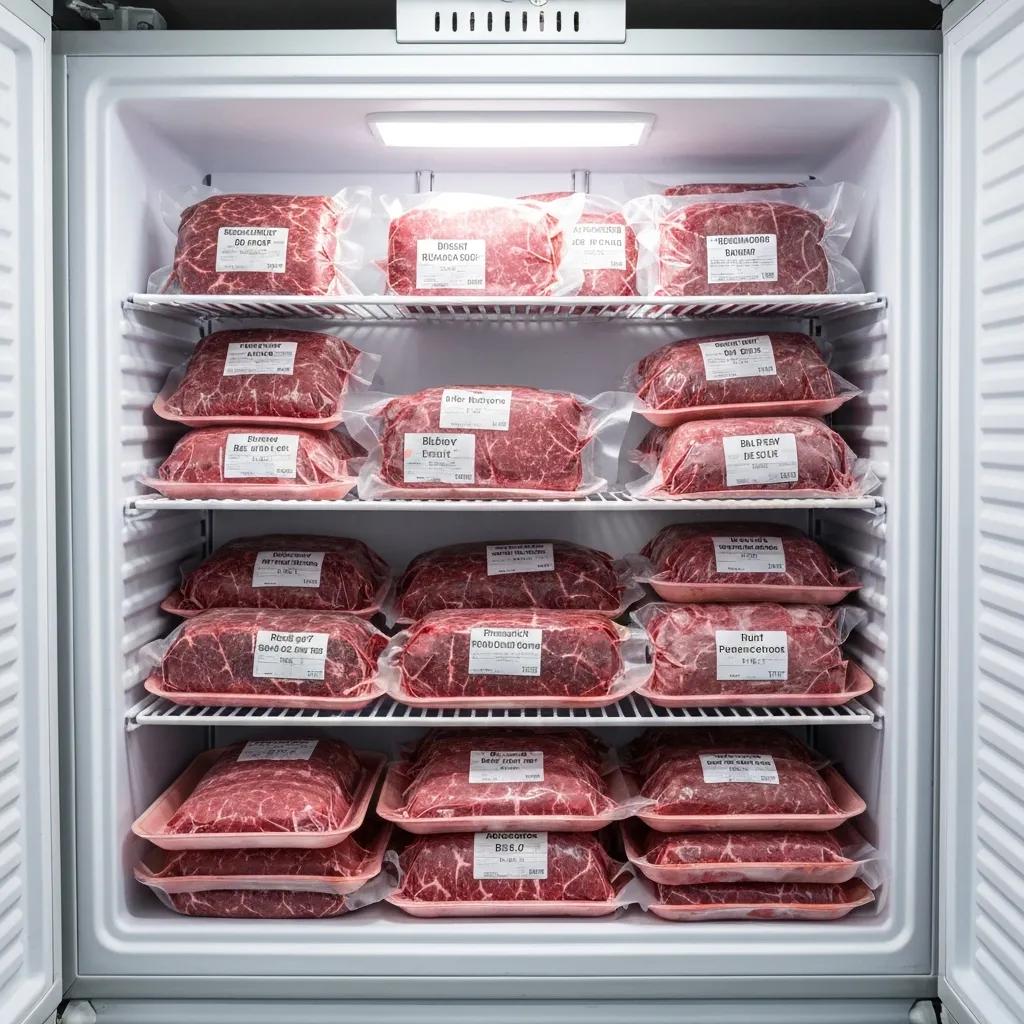
A practical rule of thumb is about 1 cubic foot of freezer space per 20–25 pounds of packaged meat, though packaging density and bone‑in items will change that ratio. So, if your estimated take‑home weight is 400 lbs, plan roughly 16–20 cu ft of usable freezer space. Chest freezers usually store bulk meat more efficiently than uprights because they allow flatter stacking and better long‑term temperature stability. Measure your available space and leave extra room for packaging and airflow before you order.
The table below maps common take‑home scenarios to cubic‑foot needs and typical freezer types to help with planning.
| Storage Scenario | Approx. Take-Home Pounds | Estimated Cubic Feet Needed |
|---|---|---|
| Quarter cow share | 150–300 lbs | 6–15 cu ft |
| Half cow share | 300–450 lbs | 12–22 cu ft |
| Whole cow share | 450–700 lbs | 18–35 cu ft |
How to Calculate Freezer Space for Bulk Beef Storage?
Divide your estimated take‑home pounds by 20–25 lbs per cubic foot, then add a 10–15% buffer for bulky packaging and airflow. For example, 400 lbs ÷ 22.5 (midpoint) ≈ 17.8 cu ft; add 10% and plan for about 20 cu ft. Package shapes matter: flat vacuum packs store more efficiently than bulky roasts or bone‑in pieces. This calculation tells you whether your current freezer will work or if you should consider a second chest freezer or a community storage option.
With a clear volume estimate you can request cut‑sheet choices that favor smaller, flatter packages for dense storage or larger roasts if you have room.
What Are Tips for Organizing and Storing Freezer Beef?
To reduce waste and speed meal prep: portion by use, label every pack with cut and date, group like items together, and use first‑in, first‑out rotation. Store steaks in one bin, roasts in another, and keep meal‑sized packages near the front for quick access. Keep an inventory list (paper or digital) with cut, weight, and freezer location to avoid forgotten packages. For safe thawing, move packs to the refrigerator 24–48 hours before use, or submerge vacuum packs in cold water for faster thawing, changing the water as needed.
What Are the Most Common Questions About Buying a Whole Cow Butchered Near Me?
Buyers typically ask about yield, cost savings, storage logistics, and whether whole‑animal buying is cheaper than retail. Clear, numeric answers and side‑by‑side examples help you decide whether a whole or half share fits your budget, freezer space, and eating habits. The next sections answer two of the most frequent questions with practical ranges and context to guide your decision.
How Much Meat Do You Get from a Whole Cow?
Take‑home meat from a whole cow commonly ranges from about 330 to 630 pounds, depending on hanging weight, breed, finishing, and trimming choices. That range reflects differences between leaner and heavier‑marbled animals. Yield also depends on whether you keep bone‑in cuts (which increase packaged weight but lower edible boneless pounds) and on trimming aggressiveness. Using the typical 55–70% yield from hanging to take‑home, a 700 lb hanging carcass will usually produce about 385–490 lbs of packaged beef. These estimates let you calculate a more accurate cost per edible pound when comparing sellers.
Knowing what drives yield helps you set cut and trim options that match your desired edible yield and cooking plans.
Is It Cheaper to Buy a Whole Cow Compared to Smaller Portions?
Yes—buying a whole or half cow usually lowers the per‑pound cost versus retail because you’re paying wholesale per hanging pound and accepting a mix of premium and utilitarian cuts. The upfront payment is larger, but the per‑edible‑pound price often drops substantially, especially when you factor in bulk ground beef and large roasts. Trade‑offs include freezer space, initial capital outlay, and less immediate variety if you only want premium steaks. For many regular cooks, the savings plus control over cuts, grind ratio, and processing justify a whole or half‑cow purchase.
Choosing between whole‑animal buying and smaller retail purchases comes down to your freezer capacity, cooking frequency, and willingness to manage bulk meat on a scheduled cycle.
Remember: additional processing like curing or smoking will reduce the final product’s weight.
Beef Carcass Fabrication and Marketing Manual
A practical reference on beef fabrication and merchandising for professionals.
The art of beef cutting: a meat professional's guide to butchering and merchandising, 2011
Capital Farms call‑to‑action (contextual): If you’re interested in premium Corriente beef raised with regenerative practices, we offer half and whole cow options with pre‑orders and shipping available; a recent half‑cow pre‑order was listed at $2,199.00. For current share sizes, detailed cut lists, and scheduling, visit our freezer beef hub or contact the farm directly to confirm availability and processing timelines.
Frequently Asked Questions
What Should I Consider When Choosing a Butcher for Whole Cow Orders?
Look for a butcher with experience in whole‑animal processing, clear pricing, and a track record for custom cuts. Ask about their turntimes, default trim levels, and whether they can hit your cut‑sheet requests. Check sourcing practices and animal welfare standards if that matters to you. Customer reviews and word‑of‑mouth recommendations are useful indicators of reliability. Finally, confirm packaging options and whether they can label packages for easy freezer rotation.
How Long Can I Store Vacuum‑Sealed Beef in the Freezer?
Vacuum‑sealed beef typically keeps well for 6 to 12 months without noticeable quality loss. Vacuum sealing greatly reduces freezer burn by removing air, but for the best flavor and texture we recommend using most packages within the first 6 months. Always label packs with the pack date and maintain your freezer at 0°F (−18°C) or colder for optimal preservation.
What Are the Environmental Benefits of Buying Grass‑Fed Beef?
Buying grass‑fed beef, especially from regenerative operations, can support healthier soils and pastures. Natural grazing patterns help build biodiversity, reduce erosion, and can increase carbon sequestration. Grass‑fed systems also reduce reliance on grain inputs and often prioritize animal welfare. While outcomes vary by farm, choosing regenerative producers can be a more climate‑ and land‑friendly option than conventional grain‑fed systems.
Can I Customize My Order for Specific Cuts and Sizes?
Yes. When you buy a whole cow you can customize steak thickness, roast sizes, and grind percentages using a cut sheet. Most processors offer options for bone‑in vs boneless, portion sizes, and value‑added cuts like stew meat or kabob cubes. Talk through your typical meals with the butcher to create a mix that works for your household or restaurant.
What Are the Best Cooking Methods for Different Cuts of Beef?
Tender cuts like ribeye and sirloin excel with grilling or quick searing. Tougher cuts like chuck and brisket reward long, slow cooking or braising to break down connective tissue. Ground beef is extremely versatile for burgers, sauces, and everyday dishes. Match the cooking method to the cut for the best results.
How Do I Ensure Quality When Buying a Whole Cow?
Research the farm or supplier’s husbandry, feeding regimen, and processing standards. Look for farms that prioritize grass‑fed or regenerative practices if that’s important to you. Ask about breed and finishing methods, request photos or recent hanging weights when possible, and read customer testimonials. Asking detailed questions before you order is the best way to ensure consistent quality.
Conclusion
Buying a whole cow butchered near you gives you steady access to high‑quality, flavorful beef and full control over cuts and processing. Understanding breed differences — like those of Corriente cattle — and the role of regenerative ranching helps you make choices that balance taste, nutrition, and sustainability. Ready to take the next step? Explore our offerings or contact us to place an order and experience the difference that thoughtful sourcing and careful processing bring to your table.
1 comment
Interested in neckbones and liver and ox tails